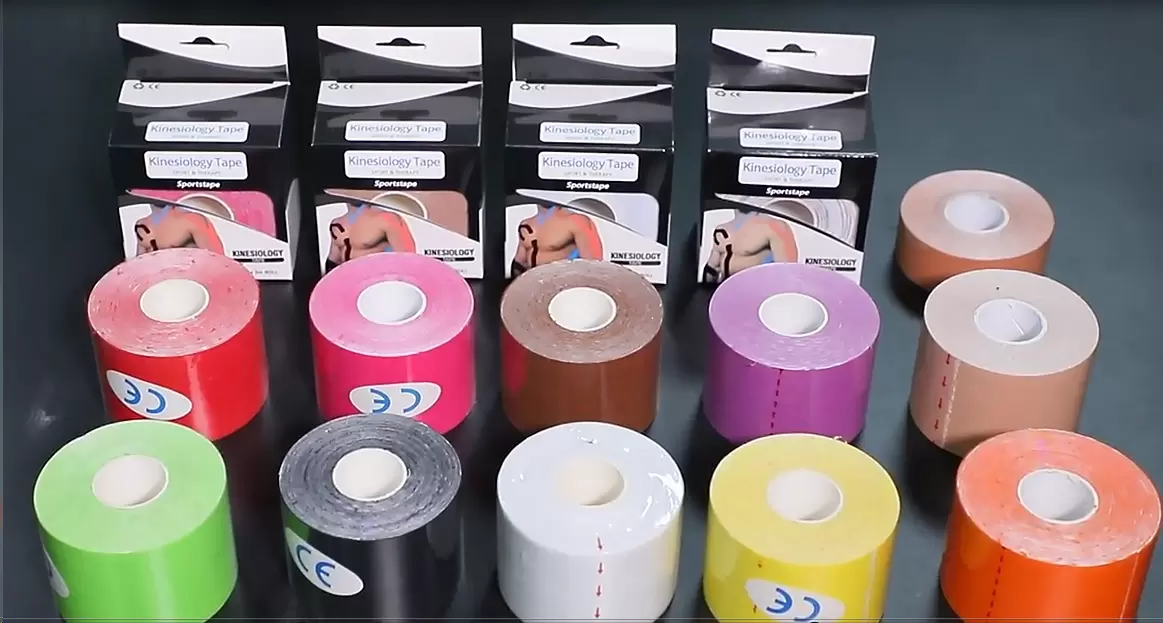
In modern sports, athlete health, performance, and recovery depend heavily on the right protective tools. Among them, self stick sports tape has risen to the top as a must-have item for athletes of every level—from professionals to fitness enthusiasts. With ease of application, reliable adhesion, flexibility, and breathability, this tape has become the backbone of injury prevention and performance enhancement across countless disciplines.
As a leading provider of advanced sports-protection materials, Xingda New Material manufactures high-performance self stick sports tape designed to support athletes during training, competition, and rehabilitation. This comprehensive article dives deep into everything you need to know about this versatile product—its structure, function, materials, applications, best practices, market trends, and more.
1. What Is Self Stick Sports Tape?
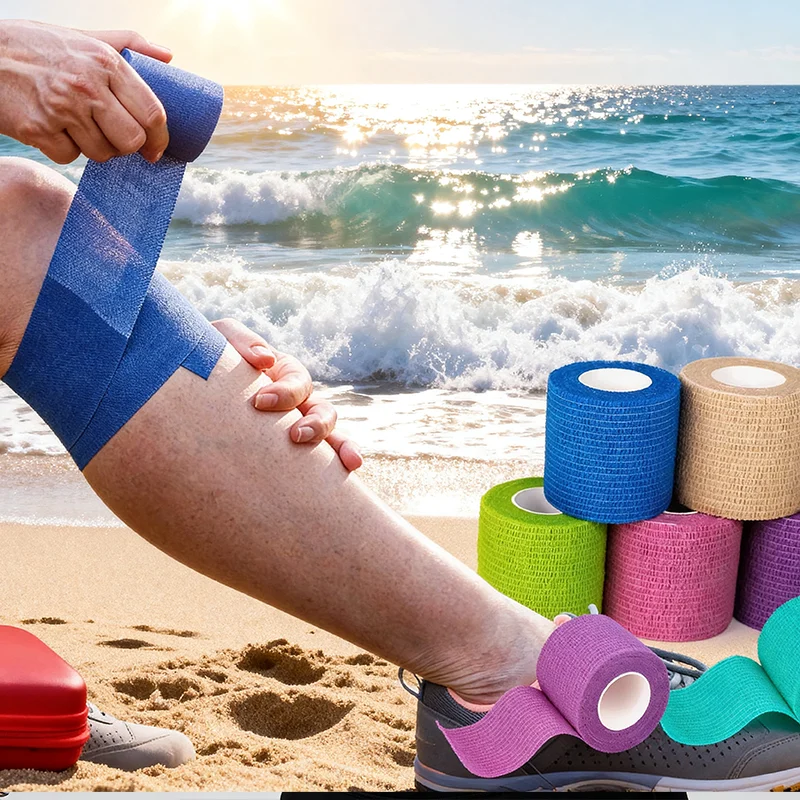
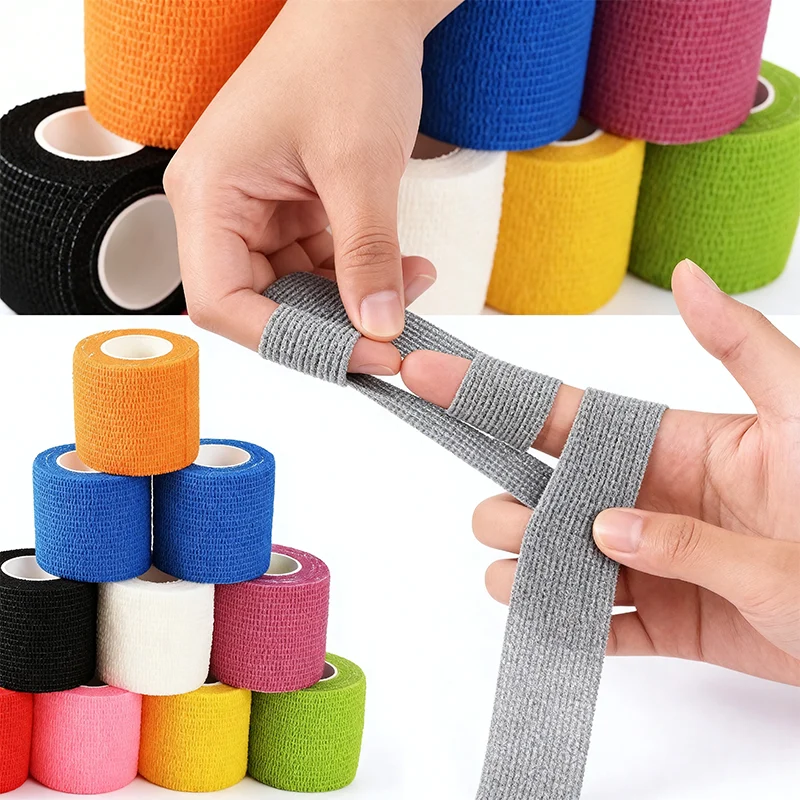
To understand why self stick sports tape has become so widely used, it helps to start with a clear definition. Unlike traditional adhesive tapes that rely on sticky glue, self-adhesive tape uses a special cohesive layer that allows it to stick to itself—but not to skin, hair, or clothing. This makes self stick sports tape especially comfortable for athletes who need reliable support without irritation.
The cohesive property is activated by light pressure. As you wrap the tape around a joint or muscle, each layer bonds to the previous one, creating stable compression. The result is a flexible, breathable, and secure wrap that holds firmly even during intense movement. These qualities make self stick sports tape one of the most convenient choices for trainers and physiotherapists who need fast application and removal during athletic events.
2. Features That Make Self Stick Sports Tape Essential
In competitive sports, the right gear can make all the difference. Below are the primary features that make self stick sports tape so widely adopted across sports medicine and athletic performance:
2.1 Easy Application and Removal
Because self stick sports tape adheres to itself rather than the skin, users can wrap and unwrap it quickly. This advantage is particularly critical during tournaments where athletes need rapid interventions.
2.2 No Glue, No Residue
Traditional adhesive tapes can leave sticky traces or pull at body hair during removal. In contrast, self stick sports tape ensures clean, comfortable use—especially beneficial for athletes with sensitive skin.
2.3 Breathability and Comfort
Good airflow is essential to prevent excessive sweating and discomfort. High-quality self stick sports tape is typically made from cotton, non-woven fabric, or elastic materials that allow the skin to breathe freely.
2.4 Strong Support and Compression
Stability is key in preventing injuries and enhancing performance. By adjusting the tension, users can customize the level of compression provided by self stick sports tape, making it ideal for wrapping ankles, wrists, fingers, and other vulnerable areas.
2.5 Sweat-Resistant Performance
Athletes perspire heavily during activity, but the cohesive materials used in self stick sports tape maintain grip even in humid or sweaty conditions.
3. The Materials Behind High-Quality Self Stick Sports Tape
As a leading manufacturer, Xingda New Material focuses on advanced materials that elevate the reliability of self stick sports tape. The tape may comprise one or more of the following materials:
3.1 Elastic Fabric
This allows flexible, dynamic movement without compromising support.
3.2 Non-Woven Fabric
It provides excellent breathability and lightweight comfort, making self stick sports tape suitable for prolonged wear.
3.3 Natural Rubber or Latex-Free Cohesive Layer
This layer enables self-adhesion. Many athletes prefer latex-free options to avoid allergic reactions.
3.4 Cotton Substrate
Cotton-based self stick sports tape is popular for its skin-friendliness and moisture absorption.
These materials work together to ensure a tape that holds firmly, breathes well, and feels comfortable during extended activity.
4. Applications of Self Stick Sports Tape in Different Scenarios
The versatility of self stick sports tape allows it to be used across various sports settings. Below are some of the most common applications:
4.1 Injury Prevention
Athletes often wrap high-risk areas—like ankles, wrists, or fingers—to reduce the likelihood of sprains or strains. Self stick sports tape offers adjustable compression that reinforces joints without limiting mobility.
4.2 Rehabilitation Support
During recovery, stability is crucial. Medical professionals use self stick sports tape to support healing muscles and ligaments, preventing overextension.
4.3 Muscle Activation and Performance Enhancement
Some athletes use self stick sports tape to warm up muscles by increasing blood flow. When applied strategically, it can encourage optimal biomechanical function.
4.4 Fixing Equipment
From securing shin guards to holding padding in place, self stick sports tape is widely used to stabilize sports gear.
4.5 First Aid
In emergency situations, it can serve as a quick solution to stop bleeding, stabilize small injuries, or keep gauze in position.
5. Sports That Commonly Use Self Stick Sports Tape
5.1 Football (Soccer)
Players wrap their ankles, wrists, or calves to minimize strain during rapid directional changes. Self stick sports tape is ideal for its sweat-resistant and non-slip properties.
5.2 Basketball
Jumping and frequent pivots create pressure on joints. Athletes use self stick sports tape to maintain stability.
5.3 Volleyball
Finger injuries are common. The cohesive nature of self stick sports tape allows easy taping of fingers and knuckles.
5.4 Tennis and Badminton
Racket sports place significant stress on forearms and wrists. Self stick sports tape provides functional support while maintaining grip flexibility.
5.5 Running
Runners wrap knees, ankles, and arches to reduce stress from repetitive motion.
5.6 Martial Arts
In combat sports, athletes rely on self stick sports tape for joint stability and protective wrapping before wearing gloves.
6. How to Apply Self Stick Sports Tape Effectively
Knowing how to apply self stick sports tape correctly ensures maximum benefits. Below are general guidelines:
6.1 Clean the Area
Although the tape doesn’t adhere to skin through glue, a clean surface prevents slipping.
6.2 Maintain Proper Tension
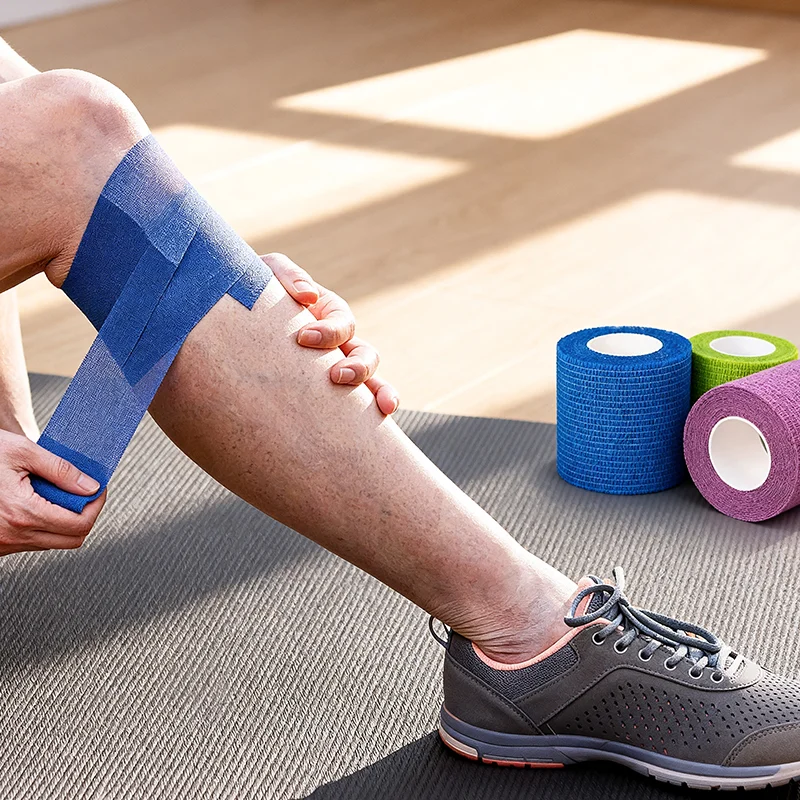
Avoid wrapping too tightly, which can restrict blood circulation. The key advantage of self stick sports tape is variable tension—apply firm but comfortable pressure.
6.3 Overlap Each Layer
Each new layer should overlap the previous one by at least 50%. This ensures stable adhesion and uniform support.
6.4 Check Circulation
After wrapping, check the extremities for numbness or color change. If needed, loosen the self stick sports tape and rewrap.
7. Why Athletes Prefer Self Stick Sports Tape Over Traditional Tape
7.1 Superior Comfort
Because it inly sticks to itself, athletes avoid the skin irritation often associated with glue-based tapes.
7.2 Faster Application
Coaches and trainers often have to tape multiple players quickly during events. The efficiency of self stick sports tape streamlines this process.
7.3 Greater Flexibility
It supports natural movement patterns instead of immobilizing muscles or joints.
7.4 Economical Usage
Since self stick sports tape doesn't require pre-wrap or adhesives, it reduces overall material usage.
8. Manufacturing Excellence at Xingda New Material
As a reputable supplier, Xingda New Material focuses on delivering superior self stick sports tape through:
8.1 Advanced Production Technology
Our automated production lines maintain consistent quality and uniform cohesive coating.
8.2 Strict Quality Control
Every roll of self stick sports tape undergoes tensile strength testing, adhesion analysis, and durability assessment.
8.3 Customization Options
Clients may request personalized colors, widths, patterns, materials, or packaging.
8.4 Eco-Friendly Materials
We offer latex-free and biodegradable options that satisfy environmental standards.
9. Market Trends in the Self Stick Sports Tape Industry
With global awareness of athletic performance and injury prevention at an all-time high, demand for self stick sports tape is growing rapidly. Major market trends include:
9.1 Rising Popularity of Fitness and Home Workouts
Consumers increasingly use sports tape for personal fitness routines.
9.2 Expanding e-Commerce Sales
Online platforms have boosted global access to high-quality self stick sports tape.
9.3 Greater Focus on Pain Prevention
Modern athletes prioritize prevention over treatment, making taping a regular part of training.
9.4 Growth in Physiotherapy and Sports Medicine
Clinics and hospitals increasingly rely on self stick sports tape for rehabilitation.
10. Tips for Choosing the Best Self Stick Sports Tape
When selecting the right product, consider:
Elasticity level: Higher elasticity allows freer movement.
Breathability: Essential for prolonged or intense activity.
Material type: Non-woven, cotton, or elastic options provide different levels of support.
Cohesion strength: Determines how securely the tape holds.
Latex-free options: Important for allergic users.
Xingda New Material offers a wide variety of self stick sports tape specifications to meet these needs.
11. Common Mistakes When Using Self Stick Sports Tape
Even experienced athletes sometimes make errors, such as:
Wrapping too tightly
Neglecting to overlap layers
Applying self stick sports tape over wet or sweaty skin
Reusing tape that has lost cohesion
Avoiding these mistakes ensures maximum performance and safety.
12. Why Partner with Xingda New Material
When choosing a supplier for self stick sports tape, reliability, quality, and customization matter. As an industry leader, Xingda New Material provides:
Professional R&D capability
Stable production capacity
Global shipping and logistics support
Customized branding and OEM services
Competitive pricing without compromising quality
Our goal is to help athletes stay safe, confident, and at their best.
13. Conclusion
Self stick sports tape is more than just a piece of athletic equipment—it’s a crucial element of modern sports science, offering protection, stability, comfort, and customizable performance benefits. Whether used in injury prevention, rehabilitation, or daily training, this tape empowers athletes of all levels to move with confidence.
With expertise in advanced material technology, Xingda New Material remains committed to producing top-quality self stick sports tape for international markets. As sports continue to evolve, our innovative products will continue to support athletes in achieving peak performance.