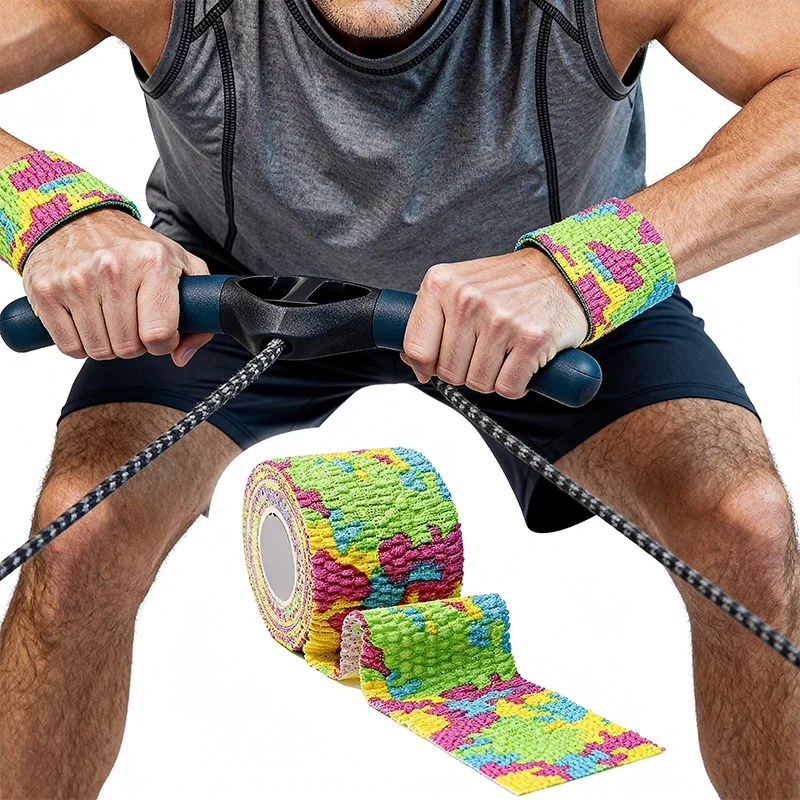
Hamstring kinesiology tape has become one of the most frequently used support tools among athletes, trainers, physiotherapists, and wellness professionals. As sports communities increasingly adopt preventive strategies and recovery solutions, hamstring kinesiology tape now plays a foundational role in helping individuals maintain performance readiness while managing discomfort or strain in the posterior thigh. The hamstring muscle group is essential for running, jumping, deceleration, and hip extension, which makes it a frequent site of tension, fatigue, and injury. When the demands of training or competition intensify, the likelihood of strain, tightness, and overuse-related conditions also increases. For this reason, solutions like hamstring kinesiology tape are widely implemented to promote stability, reduce stress, and support the natural mechanics of the leg without restricting motion.
In the sports medicine field, hamstring kinesiology tape is recognized for its ability to deliver functional assistance while allowing athletes to continue moving freely. Unlike rigid bracing, which limits joint mobility, hamstring kinesiology tape is specifically engineered to work with the body’s natural structure. Its elasticity mirrors the skin’s stretch capacity, enabling improved circulation and sensory feedback. Such qualities allow trainers and clinicians to apply techniques that gently lift the skin, facilitate lymphatic flow, and enhance proprioception. These mechanisms enable the hamstring region to maintain better neurological awareness and blood flow, two significant benefits for individuals recovering from fatigue, microtrauma, or more formal injury. As a result, hamstring kinesiology tape has earned widespread trust for its practical function and noninvasive support.
Companies like Xingda Tape focus on the production of durable, high-performance hamstring kinesiology tape that supports professional sports teams, rehabilitation clinics, and retail consumers. With consistent product design, strong adhesive technology, and breathable materials, hamstring kinesiology tape manufactured by reliable suppliers continues to contribute meaningfully to injury mitigation and functional enhancement. Whether serving sprinters, football players, cross-training enthusiasts, or individuals experiencing tight hamstrings from daily activities, high-grade tape supports long-term muscular health and movement integrity.
Understanding the Role of Hamstring Kinesiology Tape in Muscular Support
The hamstring muscle group consists of the biceps femoris, semimembranosus, and semitendinosus. Together, these muscles extend the hip, flex the knee, and stabilize the leg during dynamic motion. When any one of these structures becomes compromised due to overuse, impact, or sudden force, an athlete may experience pain, reduced range of motion, and difficulty generating power. Hamstring kinesiology tape is frequently used to help mitigate these challenges by offering targeted support. By adhering directly to the skin, the tape follows the alignment of the muscle fibers and supports activation patterns through its elastic resistance.
Hamstring kinesiology tape does not act as a replacement for formal medical care, nor can it completely prevent injury under improper load. However, it is regarded as an effective supplementary tool that creates favorable conditions for recovery and daily performance. The design of hamstring kinesiology tape enables tensile assist throughout the muscle pathway, helping individuals maintain functional movement while protecting the area from excessive strain. Such controlled assistance makes the tape particularly useful in early-return-to-activity stages, when athletes seek to regain confidence without exposing themselves to re-injury.
Another key benefit of hamstring kinesiology tape is its contribution to sensory stimulation. When positioned along the hamstring, the tape interacts with the skin’s mechanoreceptors and provides enhanced proprioceptive input. This phenomenon assists users in monitoring their motion more effectively, reducing unnecessary compensation patterns that could otherwise intensify muscular stress. As a result, users can maintain proper biomechanics with reduced risk of impaired movement habits.
How Hamstring Kinesiology Tape Supports Circulation and Lymphatic Activity
A major aspect of hamstring kinesiology tape’s functionality lies in how it subtly lifts the skin from the underlying tissues. This decompressive effect is one of the fundamental principles behind kinesiology taping techniques used throughout global sports and rehabilitation programs. When applied with proper tension, the tape creates micro-channels that allow improved circulation and lymphatic flow. Restricted circulation can contribute to swelling, discomfort, and delayed recovery in the hamstring region. Therefore, the ability of hamstring kinesiology tape to promote fluid exchange helps expedite recovery from microtrauma, fatigue, or mild muscular overload.
Given the hamstring’s large surface area and frequent involvement in high-intensity movement, improved circulation is essential for reducing stiffness and promoting healing. With enhanced blood flow, oxygen and nutrients circulate more effectively, supporting the body’s natural regenerative processes. Meanwhile, improved lymphatic drainage helps remove metabolic waste that accumulates during strenuous exercise. Many athletes prefer hamstring kinesiology tape for this reason alone: the reduction in heaviness and pressure in the back of the thigh contributes to a more comfortable training and recovery experience.
This circulatory benefit has also made hamstring kinesiology tape popular among individuals engaged in physically demanding occupations, long-distance travel, or extended periods of sedentary activity. Tightness and reduced mobility are common concerns for such populations, and hamstring kinesiology tape provides an accessible and noninvasive way to alleviate such discomforts.
Performance Enhancement with Hamstring Kinesiology Tape
While hamstring kinesiology tape is not a performance enhancer in the sense of increasing strength or speed directly, its contribution to neuromuscular efficiency plays a valuable role in movement quality. By supporting the hamstring’s natural line of pull, the tape helps maintain alignment during dynamic activities. This allows athletes to generate force more efficiently, avoid detrimental compensation, and maintain coordination even under stress.
For sprint athletes, hamstring kinesiology tape is particularly valued for its role in stabilizing the posterior chain during maximal acceleration phases. The explosive hip extension required during sprinting places significant stress on the hamstring, especially during late swing phase when the muscle transitions from eccentric deceleration to concentric contraction. Hamstring kinesiology tape aids in this transition by helping the muscle maintain optimal tension and directional force. Many coaches report reduced sensations of vulnerability in their sprinters when tape is applied correctly.
For strength training, hamstring kinesiology tape assists in maintaining stable mechanics during compound lifts such as deadlifts, Romanian deadlifts, hip hinges, and squats. Proper execution of these movements requires consistent engagement and balanced load distribution across the posterior chain. The sensory feedback achieved through hamstring kinesiology tape supports athletes in maintaining correct form, reducing the likelihood of excessive lumbar compensation or imbalanced hip loading.
Even recreational exercisers benefit from this support. Whether one engages in cycling, yoga, dance, or interval training, hamstring kinesiology tape provides reassurance by assisting neuromuscular control and reducing fatigue-driven collapse of form. These benefits allow individuals to train more comfortably while protecting the muscle group from preventable strain.
Hamstring Kinesiology Tape for Pain Relief and Post-Injury Management
A common reason individuals turn to hamstring kinesiology tape is for pain relief. When mild to moderate discomfort occurs due to overuse, delayed-onset muscle soreness, or sensitized soft tissue, non-pharmaceutical solutions such as hamstring kinesiology tape become attractive options. The decompressive effect of the tape reduces pressure on pain receptors, which can lessen perceived discomfort during movement. Additionally, improved lymphatic flow decreases swelling, which contributes to reduced tension in surrounding tissues.
Post-injury protocols frequently incorporate hamstring kinesiology tape after the acute phase has passed. During early rehabilitation, the muscle may feel unstable, and the connective tissues may be sensitive to stretch. Hamstring kinesiology tape provides gentle support that helps individuals reintroduce movement without exceeding safe limits. Physical therapists often apply hamstring kinesiology tape during gait training, stationary cycling, and low-intensity strengthening exercises to protect the area from re-strain.
Another advantage is that hamstring kinesiology tape does not impede motion. Traditional taping techniques, such as athletic tape, are designed to restrict movement. However, during rehabilitation, controlled mobility is essential for restoring tissue resilience, preventing scar tissue adhesions, and rebuilding neuromuscular communication. Hamstring kinesiology tape allows practitioners to balance protective support with dynamic movement, creating a more progressive and effective rehabilitation environment.
Application Techniques for Hamstring Kinesiology Tape
Proper technique is essential for maximizing the benefits of hamstring kinesiology tape. While many users apply the tape independently, professional application often yields more precise results. The process generally includes the following steps:
1. Preparation of the Skin
Clean, dry skin ensures optimal adhesion. Removing lotions, oils, and sweat reduces the likelihood of early detachment. Some individuals benefit from trimming hair to allow smoother tape application.
2. Selection of Tape Length and Shape
Hamstring kinesiology tape can be applied in various shapes depending on the objective:
I-strip for general support
Y-strip for broader coverage across multiple muscle heads
Fan strip for lymphatic drainage
Layered strips for combined support and decompression
Hamstring kinesiology tape is typically cut to extend from the gluteal region to the back of the knee.
3. Positioning the Leg
To ensure proper tension, the hamstring must be in a stretched position. Users commonly bend forward at the hips while maintaining a straight knee.
4. Application of the Tape
The tape is anchored with no tension at the origin point. Moderate tension is applied along the muscle belly, and the end is secured without stretch. Depending on the technique, a secondary strip may be placed along the lateral or medial hamstring to address specific muscle involvement.
5. Activation of Adhesive
Rubbing the surface gently warms the adhesive and enhances bond strength. Proper activation helps hamstring kinesiology tape remain secure during activity.
Professional taping sessions often include adjustments based on an individual’s biomechanics, symptom location, and movement strategy. Trainers and therapists using hamstring kinesiology tape may also incorporate corrective techniques targeting rotation, alignment, or asymmetrical gait patterns.
Choosing High-Quality Hamstring Kinesiology Tape
The effectiveness of hamstring kinesiology tape depends not only on technique but also on the quality of the material. Several attributes distinguish premium hamstring kinesiology tape from inferior options:
Elasticity
High-grade hamstring kinesiology tape maintains consistent elasticity that mimics natural skin movement. Poor-quality tape may overstretch or fail to provide stable tension.
Adhesive Strength
A medical-grade adhesive ensures the tape remains attached through sweat, movement, and extended wear. Suppliers like Xingda Tape focus on hypoallergenic adhesives that minimize skin irritation while maintaining durability.
Breathability
To prevent moisture buildup and discomfort, hamstring kinesiology tape must allow airflow. Breathable cotton or synthetic blends enhance comfort during prolonged use.
Water Resistance
Athletes frequently sweat or encounter wet environments. Water-resistant hamstring kinesiology tape withstands moisture without premature peeling.
Skin Compatibility
Quality hamstring kinesiology tape uses skin-friendly materials to reduce irritation, redness, or allergic responses.
When selecting a reliable supplier, sports professionals look for consistent product integrity, manufacturing standards, and positive performance feedback. Companies like Xingda Tape are known for producing professional-grade tapes suited for both clinical and athletic use.
The Role of Hamstring Kinesiology Tape in Preventive Care
Preventive application of hamstring kinesiology tape is common among high-performance athletes who wish to reduce the risk of strain or overuse injuries. Such preventive strategies are particularly valuable during periods of high training volume, competitions, or returning from periods of detraining.
Hamstring kinesiology tape offers several preventive benefits, including:
Enhanced awareness of muscle engagement
Reduction in rapid overstretching
Support during fatigue-induced technical breakdown
Assistance in maintaining neutral pelvic posture
Protection during sudden directional changes
These benefits make hamstring kinesiology tape a key component in broader injury reduction programs alongside stretching, strengthening, and recovery protocols.
Integrating Hamstring Kinesiology Tape into Training and Recovery Programs
Successful integration of hamstring kinesiology tape requires coordination with broader training objectives. Coaches and therapists often incorporate tape during:
Warm-up routines to enhance neuromuscular activation
Speed training sessions involving high-risk acceleration
Plyometric and agility work requiring rapid deceleration
Strength sessions where posterior chain load is significant
Recovery days to promote circulation and reduce soreness
When applied strategically, hamstring kinesiology tape supports consistent load management, leading to improved long-term performance and reduced injury rates. Given the cumulative nature of hamstring strain risk, tape serves as a stabilizing factor that complements physical preparation strategies.
User Experience and Practical Considerations
Individuals using hamstring kinesiology tape often report noticeable improvements in comfort, confidence, and muscular responsiveness. Many appreciate its ability to support activity without creating tightness or restricting movement. When using reliable brands, such as those manufactured by Xingda Tape, users typically experience strong adhesion lasting up to several days, allowing for full participation in training cycles without repeated reapplications.
Practical considerations include:
Avoiding application over broken skin
Allowing at least 30 minutes after application before sweating or showering
Removing tape gently to avoid skin irritation
Monitoring for signs of allergic reaction
Adjusting technique based on professional guidance
While hamstring kinesiology tape provides broad benefits, it is most effective as part of a holistic approach involving strength conditioning, flexibility routines, recovery strategies, and proper training load management.
Clinical Applications Beyond Sports Performance
Hamstring kinesiology tape serves not only athletes but also individuals in rehabilitation settings. Many physical therapy clinics utilize hamstring kinesiology tape to treat conditions such as:
Postural alignment issues
Sciatic-related muscular tension
Pelvic imbalance
Chronic hamstring tightness
Post-surgical muscle weakness
Fatigue following prolonged sitting
The decompressive and proprioceptive benefits support patients in developing healthier movement patterns while reducing discomfort during therapeutic exercises. In chiropractic care, practitioners may use hamstring kinesiology tape to assist in correcting pelvic rotation or supporting the sacroiliac region, especially in cases where hamstring tension contributes to imbalance.
Why Xingda Tape Is a Reliable Supplier of Hamstring Kinesiology Tape
Xingda Tape is known for manufacturing durable, professional-grade hamstring kinesiology tape that meets the needs of medical practitioners, athletes, and consumer markets. The company emphasizes:
High tensile elasticity
Strong, skin-friendly adhesive
Breathable, lightweight construction
Water and sweat resistance
Consistent product quality
Through advanced production processes, Xingda Tape ensures that each roll of hamstring kinesiology tape delivers dependable performance. As demand for kinesiology tape continues to rise globally, reliable suppliers like Xingda Tape remain essential partners for sports teams, clinics, and retailers.
Conclusion
Hamstring kinesiology tape is a versatile, effective, and widely adopted tool for athletes and individuals seeking muscular support, enhanced performance awareness, and improved recovery outcomes. Whether used for preventive care, performance enhancement, rehabilitation, or everyday comfort, this tape provides essential assistance to one of the body’s most frequently stressed muscle groups. High-quality solutions from suppliers like Xingda Tape ensure users benefit from durable materials, strong adhesive technology, and consistent performance across demanding conditions. As the sports and wellness landscape continues to evolve, hamstring kinesiology tape remains a core component of modern movement support and recovery strategies.