Athletic tape is a cornerstone in sports medicine, physical therapy, and athletic training, serving a critical role in injury prevention, rehabilitation, and performance support. In recent years, the demand for hypoallergenic athletic tape has grown significantly, driven by the need to accommodate athletes with sensitive skin, allergies, or prolonged taping requirements. Unlike traditional tapes, hypoallergenic athletic tape offers the same structural support and functionality while minimizing skin irritation, making it an indispensable tool for professionals in physiotherapy, sports medicine clinics, and athletic training facilities.
Understanding Hypoallergenic Athletic Tape
Hypoallergenic athletic tape is designed to reduce the likelihood of adverse skin reactions, such as rashes, itching, or redness, which can occur with standard adhesive tapes. These tapes typically use medical-grade adhesives that are latex-free, non-irritating, and breathable. In clinical practice, the use of hypoallergenic tapes is essential for athletes with sensitive skin, individuals with eczema, or patients requiring prolonged taping during injury recovery or rehabilitation exercises.
The composition of hypoallergenic athletic tape generally includes a combination of cotton fibers and a hypoallergenic adhesive. The cotton base ensures flexibility and comfort, while the adhesive provides secure support without compromising skin integrity. Unlike standard tapes that may cause allergic reactions in a subset of users, hypoallergenic alternatives allow clinicians to focus on injury management rather than dermatologic complications.
Clinical Applications in Sports Medicine
The primary function of hypoallergenic athletic tape in sports medicine is to stabilize joints, tendons, and muscles while allowing a range of motion appropriate for the athlete’s activity. Common clinical applications include:
Ankle Support: Ankle sprains are among the most frequent sports injuries. Hypoallergenic athletic tape provides medial and lateral support to prevent inversion or eversion injuries, reducing the risk of re-injury during training or competition.
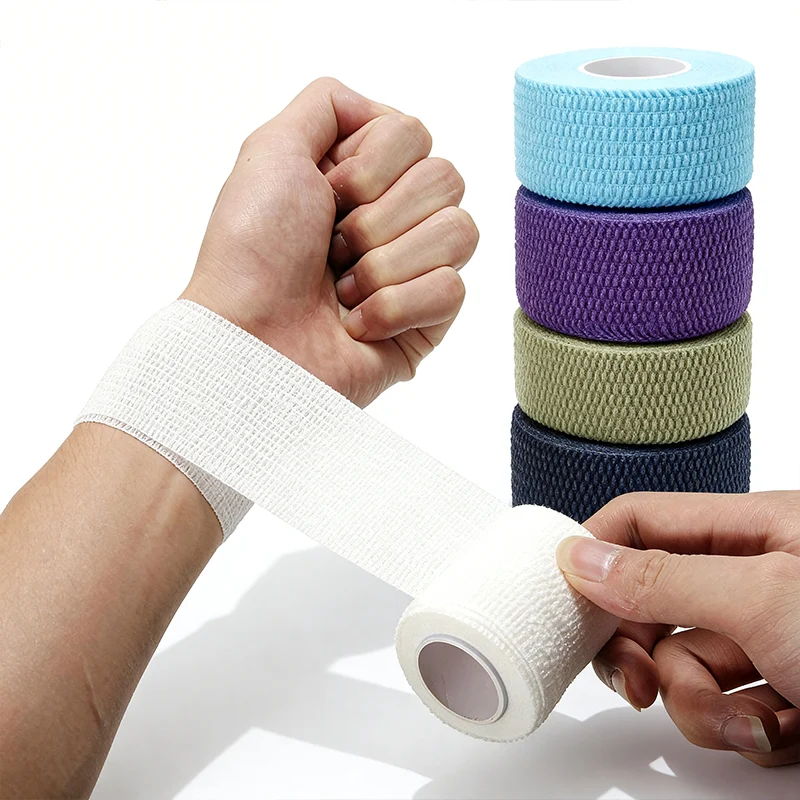
Wrist and Thumb Stabilization: For sports like gymnastics, tennis, or weightlifting, hypoallergenic athletic tape can immobilize or limit movement in small joints, aiding recovery while maintaining functional performance.
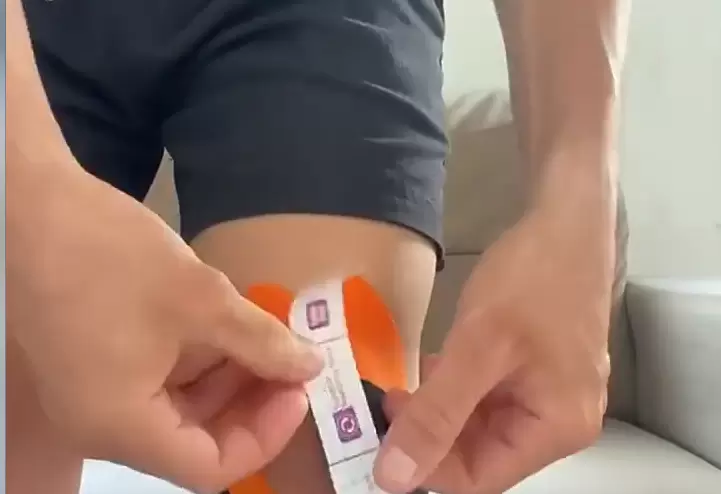
Knee and Elbow Support: Hypoallergenic athletic tape is often used to reinforce ligaments, tendons, and muscles around larger joints, helping athletes return to activity safely after sprains or strains.
Postural Correction and Muscle Facilitation: Sports therapists employ hypoallergenic athletic tape to guide proper muscle function and posture, particularly in cases of muscular imbalances or chronic pain.
In each of these applications, hypoallergenic properties are critical because athletes may require extended taping periods. Reducing skin irritation ensures adherence to rehabilitation protocols and improves overall compliance.
Advantages of Hypoallergenic Athletic Tape
There are several distinct advantages of using hypoallergenic athletic tape in clinical and athletic settings:
Reduced Skin Irritation: The primary benefit is a significant reduction in allergic reactions and dermatologic complications compared to conventional tapes.
Enhanced Comfort: Hypoallergenic tapes often feature soft, breathable materials that minimize discomfort, allowing for longer periods of use.
Reliable Adhesion: Despite being gentle on the skin, hypoallergenic tapes maintain strong adhesion, even during rigorous activity, ensuring consistent support.
Versatility: These tapes are suitable for a wide range of applications, including acute injury management, chronic pain support, and preventative taping strategies.
Clinical research supports the notion that hypoallergenic adhesives improve patient satisfaction and compliance with taping protocols, particularly in sensitive populations.
Material Composition and Safety Considerations
The composition of hypoallergenic athletic tape is a critical factor in its effectiveness and safety. Most high-quality tapes are made from a combination of:
100% Cotton or Cotton-Blend Fibers: Provides breathability, flexibility, and comfort, ensuring the tape conforms to joint movements.
Latex-Free Adhesives: Eliminates the risk of latex-induced allergic reactions, which can be severe in certain individuals.
Medical-Grade Acrylic Adhesives: Offer strong adhesion without causing skin irritation, even under heat, moisture, or sweat.
Safety considerations in clinical use include performing a patch test for patients with extremely sensitive skin, monitoring for signs of irritation, and educating athletes on proper tape removal techniques to avoid epidermal damage.
Application Techniques
Proper taping technique is essential to maximize the benefits of hypoallergenic athletic tape while minimizing risks. Some best practices include:
Skin Preparation: Clean and dry the skin thoroughly. Avoid using lotions or oils that may reduce adhesion.
Tension Control: Apply the tape with appropriate tension to avoid restricting blood flow while providing necessary support.
Layering Strategies: Use anchor strips and overlap techniques to reinforce support without compromising skin health.
Monitoring: Reassess the taped area during activity, checking for signs of discomfort, numbness, or excessive tightness.
In physiotherapy and athletic training settings, these techniques ensure that hypoallergenic tapes function optimally and remain safe for prolonged use.
Hypoallergenic Athletic Tape in Rehabilitation
Rehabilitation programs often require prolonged or repeated taping to support injured joints and muscles. Hypoallergenic athletic tape is particularly suited for this context because it minimizes skin irritation and allows consistent application throughout the rehabilitation process. Typical rehabilitation uses include:
Post-Sprain or Strain Recovery: Provides joint stabilization while promoting functional movement.
Post-Surgical Recovery: Assists in gentle immobilization without compromising skin integrity.
Muscle Facilitation and Neuromuscular Re-Education: Guides proper movement patterns to prevent compensatory injuries.
Incorporating hypoallergenic athletic tape into rehabilitation protocols supports both physical healing and patient comfort, ensuring better adherence and outcomes.
Comparisons to Traditional Athletic Tape
While traditional athletic tape provides strong support, it often comes with drawbacks such as skin irritation, allergic reactions, and limited comfort during extended wear. In contrast, hypoallergenic athletic tape addresses these issues without compromising performance or stability. Key differences include:
|
Feature |
Traditional Athletic Tape |
Hypoallergenic Athletic Tape |
|---|
|
Adhesive |
May contain latex |
Latex-free, medical-grade |
|
Skin Reaction |
Higher risk of irritation |
Low risk, suitable for sensitive skin |
|
Comfort |
Often rigid, less breathable |
Soft, flexible, breathable |
|
Extended Wear |
Can cause itching and redness |
Safe for prolonged application |
|
Clinical Suitability |
General use |
Ideal for rehabilitation and sensitive populations |
These distinctions make hypoallergenic athletic tape a preferred choice for sports medicine professionals seeking both efficacy and patient-centered care.
Evidence-Based Outcomes
Recent studies in sports medicine highlight the benefits of hypoallergenic athletic tape. Research demonstrates that athletes using hypoallergenic tape experience fewer dermatologic complications, improved comfort during activity, and comparable joint stability to traditional tapes. Furthermore, physiotherapists report enhanced compliance with rehabilitation protocols when using hypoallergenic options, particularly for patients with sensitive skin or long-term taping requirements.
Choosing the Right Hypoallergenic Athletic Tape
Selecting the appropriate hypoallergenic athletic tape requires consideration of several factors:
Width and Length: Different joints and muscles require varying tape dimensions for optimal support.
Adhesive Strength: Choose a tape with sufficient adhesion for the activity level while remaining gentle on the skin.
Flexibility: Some hypoallergenic tapes are designed for rigid support, while others allow dynamic movement.
Brand Reliability: Products from reputable manufacturers ensure consistent quality, hypoallergenic certification, and clinical efficacy.
For physiotherapists and sports medicine practitioners, these factors ensure that the tape aligns with both clinical goals and patient comfort.
Practical Tips for Clinicians
Always educate patients on proper removal techniques to prevent skin stripping or irritation.
Rotate taping locations to reduce the risk of localized skin sensitivity.
Document patient responses to tape, particularly for repeated or long-term use.
Combine tape application with other modalities, such as bracing, strengthening exercises, and proprioceptive training, for comprehensive rehabilitation.
Implementing these strategies ensures that hypoallergenic athletic tape is used effectively, safely, and in a clinically responsible manner.
Future Directions in Hypoallergenic Athletic Tape
Innovations in material science and adhesive technology continue to enhance the performance of hypoallergenic athletic tape. Emerging developments include:
Advanced breathable fabrics that increase comfort during extended wear.
Skin-mimicking adhesives that optimize adhesion without causing irritation.
Smart tapes integrated with sensors to monitor joint movement, muscle activity, and rehabilitation progress.
These advancements promise to expand the role of hypoallergenic athletic tape beyond traditional support functions into areas of performance monitoring and preventive care.
Conclusion
For sports medicine professionals, physiotherapists, and athletic trainers, hypoallergenic athletic tape represents a crucial advancement in injury prevention, rehabilitation, and athlete comfort. By offering secure joint support while minimizing skin irritation, these tapes provide both clinical efficacy and patient-centered care. Selecting high-quality hypoallergenic tapes, applying them with proper technique, and integrating them into broader rehabilitation programs ensures optimal outcomes for athletes and patients alike.
In a field where every detail matters, from joint stabilization to skin health, hypoallergenic athletic tape is more than just an accessory—it is an essential tool for modern sports medicine.