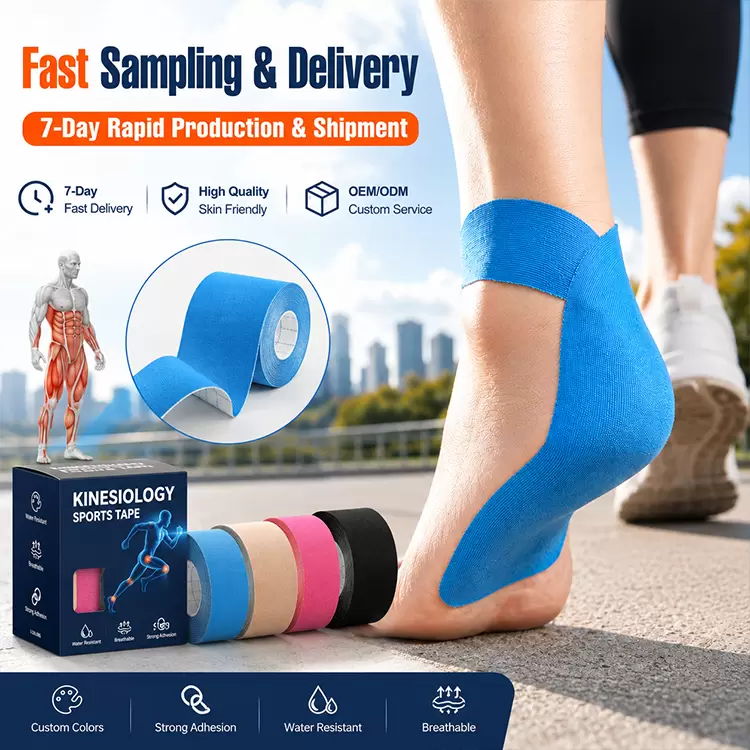
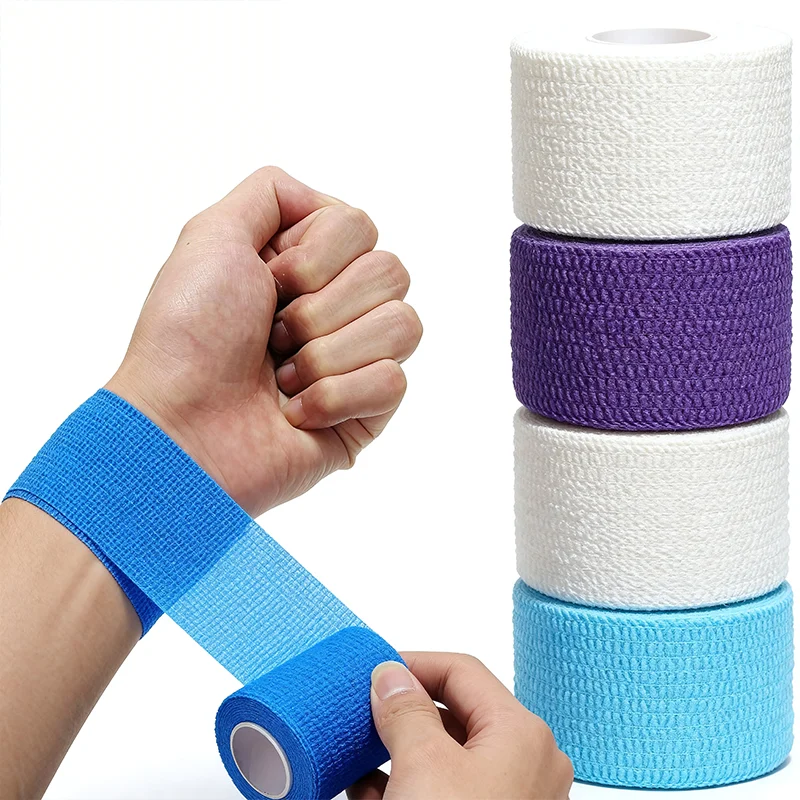
The global demand for kinesiology tape continues to grow across sports medicine, rehabilitation clinics, fitness centers, physical therapy practices, and retail sports markets. As distributors, wholesalers, private label brands, and healthcare product importers expand their product portfolios, finding a dependable kinesiology tape China manufacturer has become an important part of building a competitive supply chain.
China has become one of the world's major production centers for sports support products, including kinesiology tapes, athletic tapes, sports bandages, and related adhesive solutions. However, not all suppliers offer the same level of manufacturing capability, quality control, customization, or delivery performance.
This article explains what kinesiology tape is, how it is manufactured, what buyers should evaluate when selecting a supplier, and why working with an experienced manufacturer can help improve product consistency and business growth.
Understanding Kinesiology Tape and Its Applications
Kinesiology tape is an elastic therapeutic tape designed to support muscles, joints, and soft tissues without significantly restricting movement. Unlike traditional rigid athletic tape, kinesiology tape stretches and moves with the body, making it suitable for a wide range of activities.
Today, kinesiology tape is commonly used by:
Typical applications include:
As awareness of sports recovery and injury prevention continues to increase worldwide, demand for high-quality kinesiology tape remains strong in both developed and emerging markets.
Why Global Buyers Source Kinesiology Tape from China
Many international brands and distributors choose a kinesiology tape China manufacturer because China offers a combination of manufacturing scale, supply chain integration, and production flexibility.
Key advantages include:
Mature Manufacturing Infrastructure
China has developed a highly specialized manufacturing ecosystem for adhesive products. Raw material suppliers, coating facilities, printing services, packaging manufacturers, and logistics providers are often located within the same industrial regions.
This allows manufacturers to:
Reduce production lead times
Improve quality consistency
Control production costs
Support large-volume orders
Flexible Production Capacity
Importers often need suppliers that can handle:
Established manufacturers can adjust production schedules according to customer demand while maintaining stable quality standards.
Customization Capabilities
Many buyers require customized products for their target markets.
Common customization options include:
Tape colors
Printed logos
Retail packaging
Roll sizes
Adhesive performance
Backing materials
Private label branding
An experienced supplier can provide these services under one roof.
Export Experience
Professional manufacturers serving overseas markets understand:
This experience helps reduce supply chain risks.
Key Components of High-Quality Kinesiology Tape
Not all kinesiology tapes perform equally. Product quality depends on several factors.
Fabric Material
The fabric forms the foundation of the tape.
Common materials include:
Premium fabrics typically offer:
Better elasticity
Improved breathability
Comfortable skin contact
Enhanced durability
The choice of fabric directly influences user experience.
Adhesive System
The adhesive layer is one of the most critical elements.
A reliable kinesiology tape should provide:
Secure skin adhesion
Comfortable removal
Minimal residue
Resistance to sweat
Long wear duration
Manufacturers typically use medical-grade acrylic adhesives designed for prolonged skin contact.
Elastic Performance
Elasticity affects how the tape interacts with muscles and joints.
Important characteristics include:
Poor elasticity can reduce product effectiveness and customer satisfaction.
Breathability
Users often wear kinesiology tape for extended periods.
Breathable materials help:
Water Resistance
Sports activities frequently involve:
Sweat
Humidity
Rain
Water exposure
Quality tapes should maintain adhesion under demanding conditions.
Manufacturing Process of Kinesiology Tape
Understanding the production process helps buyers evaluate supplier capabilities.
Step 1: Fabric Preparation
The selected fabric undergoes inspection before entering production.
Manufacturers assess:
Thickness
Elasticity
Surface quality
Consistency
Any defects are removed before coating.
Step 2: Adhesive Coating
The adhesive is applied using specialized coating equipment.
Factors monitored include:
Coating thickness
Uniformity
Bond strength
Drying performance
Consistent coating ensures reliable adhesion.
Step 3: Drying and Curing
The coated fabric passes through controlled drying systems.
Proper curing helps achieve:
Step 4: Cutting and Slitting
After curing, large rolls are converted into finished dimensions.
Popular sizes include:
5cm × 5m
5cm × 31.5m
Customized dimensions
Precision cutting improves appearance and usability.
Step 5: Printing and Branding
Private label customers often require:
Modern production lines can support multiple branding requirements.
Step 6: Final Inspection
Finished products undergo quality checks before shipment.
Inspection items may include:
What to Look for in a Kinesiology Tape China Manufacturer
Choosing the right manufacturing partner involves more than comparing prices.
Production Experience
Years of industry experience often indicate:
Manufacturing stability
Technical expertise
Process maturity
Market understanding
Manufacturers with long-term industry involvement typically have stronger production systems.
Independent Production Facilities
Some suppliers only act as trading companies.
A manufacturer with its own facilities offers greater control over:
Production schedules
Quality management
Product development
Cost efficiency
Independent production can improve communication and reduce supply chain complexity.
Quality Control Systems
Reliable quality control is essential for healthcare and sports products.
Ask suppliers about:
Consistent quality helps reduce customer complaints and returns.
Customization Support
Different markets have different requirements.
A capable supplier should support:
OEM production
Private labeling
Custom packaging
Product development
Customization can help brands differentiate themselves in competitive markets.
Export Capabilities
International buyers should evaluate:
Shipping experience
Documentation support
Packaging standards
Delivery performance
Efficient export operations help ensure smooth order fulfillment.
Common Challenges Buyers Face When Sourcing Kinesiology Tape
Although China offers many sourcing opportunities, buyers may encounter challenges if supplier selection is not carefully managed.
Inconsistent Product Quality
One common issue is variation between production batches.
This may lead to:
Manufacturers with standardized production processes can help reduce these risks.
Long Lead Times
Delays can impact inventory planning and customer relationships.
Questions to ask include:
Limited Technical Support
Some suppliers focus only on production.
However, experienced manufacturers often provide:
Technical support can be valuable during product development.
Communication Issues
Clear communication is essential for successful international cooperation.
Buyers should evaluate:
The Growing Demand for Private Label Kinesiology Tape
Private label products have become increasingly popular in sports and healthcare markets.
Benefits include:
Brand Development
Private labeling allows distributors to build their own brand identity rather than selling generic products.
Higher Market Recognition
Branded products can improve:
Customer loyalty
Market visibility
Product differentiation
Greater Control
Private label programs provide more flexibility regarding:
Product specifications
Packaging design
Marketing strategy
An experienced kinesiology tape China manufacturer can support complete private label projects from concept to shipment.
Why Supply Chain Stability Matters
The global supply environment has changed significantly in recent years.
Buyers increasingly prioritize:
A manufacturer with an independent production chain can often respond more effectively to market fluctuations.
Supply chain stability helps businesses:
Reduce stock shortages
Improve forecasting accuracy
Support long-term customer relationships
Maintain market competitiveness
Xingda New Material: Supporting Global Kinesiology Tape Buyers
As a professional adhesive tape enterprise, Xingda New Material focuses on the research, development, production, and sales of various adhesive tape products.
The company's product portfolio includes:
Kinesiology tape
Sport tape
Athletic tape
Sports bandage
Duct tape
Cloth adhesive tape
Fiber mesh double-sided tape
Kraft paper adhesive tape
Golf grip tape
Customized specialty tapes
With a complete production chain and integrated manufacturing system, Xingda New Material supports efficient order processing and rapid shipment arrangements.
For international buyers, several factors are particularly important:
Comprehensive Manufacturing Capabilities
The company manages multiple production stages internally, helping improve production efficiency and consistency.
Custom Product Development
Customers can explore options such as:
Global Supply Support
Efficient logistics coordination helps support international distribution requirements.
Customer-Focused Approach
Rather than providing standardized products only, the company works with customers to identify suitable solutions for different market needs.
Questions to Ask Before Choosing a Supplier
When evaluating a potential kinesiology tape China manufacturer, buyers should consider asking:
About Production
What is your monthly production capacity?
Do you own your manufacturing facilities?
What quality inspections are performed?
About Materials
What fabric materials are available?
What adhesive systems are used?
Can material specifications be customized?
About Branding
Do you offer OEM services?
Can you provide private label packaging?
What is the minimum order quantity for customization?
About Logistics
What are typical lead times?
Which export markets do you currently serve?
Can you assist with shipping arrangements?
These questions can help buyers make informed sourcing decisions.
Future Trends in the Kinesiology Tape Industry
Several trends are shaping the future of the market.
Increased Demand for Sports Recovery Products
Consumers are paying greater attention to:
Injury prevention
Recovery management
Athletic performance
This trend continues to support demand for kinesiology tape.
Product Innovation
Manufacturers are investing in:
Sustainable Manufacturing
Environmental considerations are becoming increasingly important.
Many buyers now evaluate suppliers based on:
Expansion of Private Label Brands
More distributors are launching proprietary brands, creating additional opportunities for OEM and customized production.
Conclusion
Finding the right kinesiology tape China manufacturer requires careful evaluation of manufacturing capabilities, quality control systems, customization options, export experience, and supply chain reliability.
A dependable supplier should offer more than competitive pricing. Consistent product quality, responsive communication, flexible production, and long-term partnership support are equally important for sustained business growth.
As global demand for sports support and rehabilitation products continues to expand, businesses that work with experienced manufacturers can better position themselves to meet customer expectations and respond to changing market requirements.
For importers, distributors, wholesalers, healthcare brands, and sports product companies, choosing a manufacturing partner with integrated production capabilities and a strong commitment to quality can create lasting value throughout the supply chain.