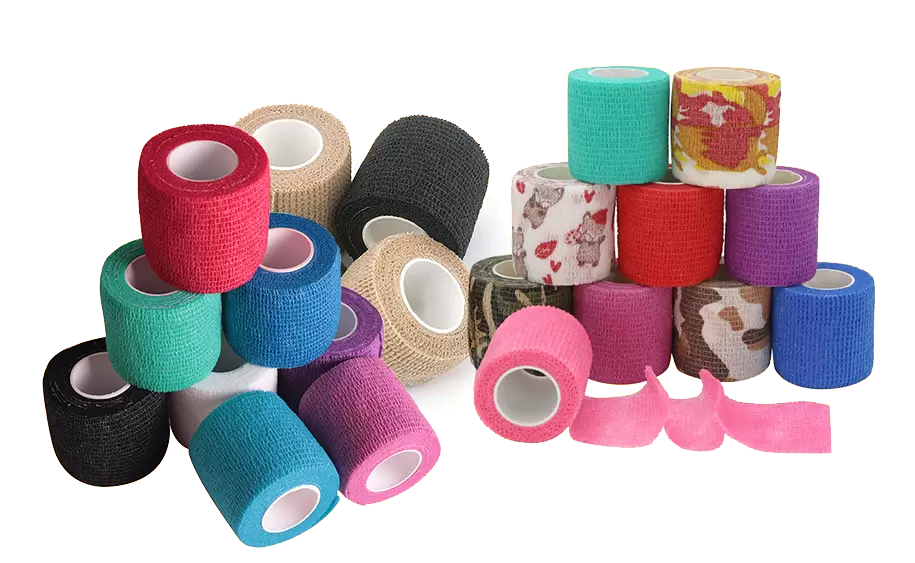
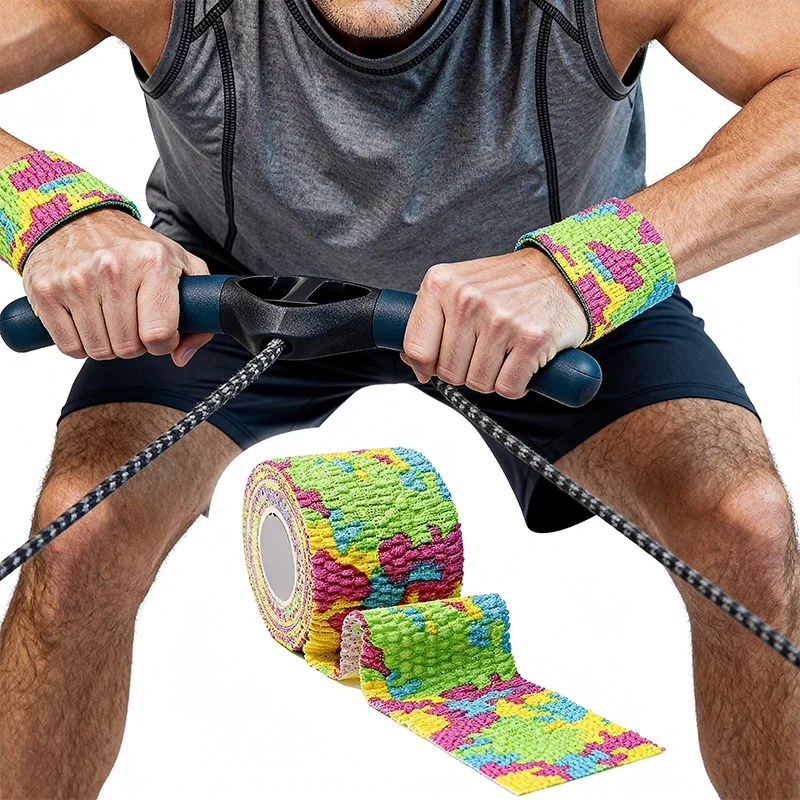
In the modern landscape of sports medicine, physical rehabilitation, and injury prevention, stretchy tape for injuries has become an essential tool used by athletes, physiotherapists, and healthcare professionals worldwide. As a versatile support solution, stretchy tape for injuries provides dynamic stabilization while maintaining a full range of motion, making it fundamentally different from traditional rigid taping methods. With the rapid advancements in material science and adhesive technology, companies like Xingda New Material are at the forefront of producing high-performance stretchy tape for injuries that meets diverse clinical and athletic demands.
This article explores the structure, function, application techniques, benefits, and future trends associated with stretchy tape for injuries, offering a detailed perspective suitable for professionals and end users alike.
1. Understanding Stretchy Tape for Injuries
Stretchy tape for injuries, often referred to as elastic therapeutic tape or kinesiology-style tape, is designed to mimic the elasticity of human skin. Unlike conventional athletic tape, which restricts movement, stretchy tape for injuries allows for controlled flexibility while still providing support to muscles and joints.
The composition of stretchy tape for injuries typically includes:
A cotton or synthetic fabric base
Elastic fibers (such as spandex or elastane)
Hypoallergenic adhesive layer
Breathable and water-resistant coating
This unique combination allows the tape to stretch up to 140–180% of its original length, which is a key characteristic that differentiates stretchy tape for injuries from rigid alternatives.
2. The Science Behind Stretchy Tape for Injuries
The effectiveness of stretchy tape for injuries lies in its interaction with the body’s musculoskeletal and neurological systems. When applied correctly, the tape gently lifts the skin, creating microscopic space between the dermis and underlying tissues.
2.1 Improving Blood and Lymphatic Flow
By lifting the skin, stretchy tape for injuries enhances circulation and lymphatic drainage. This effect helps reduce inflammation, decrease swelling, and promote faster recovery.
2.2 Pain Modulation
Stretchy tape for injuries stimulates mechanoreceptors in the skin, which can override pain signals transmitted through nociceptors. This process aligns with the gate control theory of pain, reducing the perception of discomfort without medication.
2.3 Muscle Support and Activation
Depending on the direction and tension of application, stretchy tape for injuries can either facilitate or inhibit muscle activity. This makes it useful for both rehabilitation (weak muscles) and performance support (overactive muscles).
3. Key Benefits of Stretchy Tape for Injuries
The widespread adoption of stretchy tape for injuries can be attributed to its broad range of benefits.
3.1 Enhanced Mobility
Unlike rigid tape, stretchy tape for injuries allows full joint movement. This is particularly important for athletes who require stability without sacrificing performance.
3.2 Injury Prevention
When used as a preventive tool, stretchy tape for injuries supports vulnerable joints and muscles, reducing the likelihood of strain, sprain, and overuse injuries.
3.3 Faster Recovery
By improving circulation and reducing swelling, stretchy tape for injuries helps accelerate the healing process for both acute and chronic injuries.
3.4 Versatility
Stretchy tape for injuries can be used across a wide range of applications, including:
3.5 Water Resistance and Durability
High-quality stretchy tape for injuries, such as those produced by Xingda New Material, is designed to withstand sweat, water exposure, and daily wear for several days without losing adhesion.
4. Common Applications of Stretchy Tape for Injuries
Stretchy tape for injuries is widely used across multiple disciplines due to its adaptability.
4.1 Sports Medicine
Athletes commonly use stretchy tape for injuries to support:
Ankles
Knees
Shoulders
Lower back
It helps reduce stress on joints while maintaining agility.
4.2 Rehabilitation Therapy
Physical therapists use stretchy tape for injuries to:
4.3 Postural Correction
Stretchy tape for injuries can help retrain posture by providing gentle cues to the body, encouraging proper alignment.
4.4 Chronic Pain Management
For conditions like lower back pain or shoulder stiffness, stretchy tape for injuries offers non-invasive relief by supporting affected areas.
5. Proper Application Techniques for Stretchy Tape for Injuries
Correct application is critical to maximize the benefits of stretchy tape for injuries. Improper use can reduce effectiveness or even cause discomfort.
5.1 Skin Preparation
Before applying stretchy tape for injuries:
Clean and dry the skin
Remove oils, lotions, or sweat
Trim excessive hair if necessary
5.2 Cutting the Tape
Stretchy tape for injuries is typically cut into various shapes depending on the application:
I-strips
Y-strips
X-strips
Fan strips
5.3 Application Tension
The amount of tension applied determines the effect:
Light tension: lymphatic drainage
Moderate tension: muscle support
High tension: structural correction
5.4 Anchoring
The ends of stretchy tape for injuries should always be applied without tension to ensure proper adhesion and reduce skin irritation.
5.5 Activation
Rubbing the tape after application activates the adhesive, ensuring that stretchy tape for injuries bonds securely to the skin.
6. Types of Stretchy Tape for Injuries
Manufacturers like Xingda New Material produce different variations of stretchy tape for injuries to suit specific needs.
6.1 Cotton-Based Stretchy Tape
6.2 Synthetic Stretchy Tape
6.3 Pre-Cut Stretchy Tape for Injuries
6.4 High-Adhesion Stretchy Tape
Designed for high-movement areas
Strong adhesive properties
Suitable for athletes in extreme conditions
7. Choosing the Right Stretchy Tape for Injuries
Selecting the appropriate stretchy tape for injuries depends on several factors:
7.1 Skin Sensitivity
Individuals with sensitive skin should choose hypoallergenic stretchy tape for injuries with medical-grade adhesive.
7.2 Activity Level
High-performance athletes require more durable stretchy tape for injuries that can withstand sweat and movement.
7.3 Intended Use
Rehabilitation → light to moderate elasticity
Sports performance → strong adhesion and flexibility
Pain relief → gentle, breathable options
8. The Role of Xingda New Material in Stretchy Tape for Injuries
Xingda New Material is a leading manufacturer specializing in advanced material solutions, including high-quality stretchy tape for injuries. Their products are designed with:
Precision elasticity control
Skin-friendly adhesive technology
Enhanced durability and water resistance
Consistent manufacturing quality
By leveraging innovative textile engineering and adhesive science, Xingda New Material ensures that their stretchy tape for injuries meets global standards for safety, comfort, and performance.
9. Advantages of Modern Stretchy Tape for Injuries Manufacturing
Modern production techniques have significantly improved the quality of stretchy tape for injuries.
9.1 Advanced Fabric Technology
New weaving techniques enhance the elasticity and strength of stretchy tape for injuries.
9.2 Improved Adhesive Systems
Modern adhesives used in stretchy tape for injuries are:
Latex-free
Hypoallergenic
Long-lasting
9.3 Breathability Enhancements
High-quality stretchy tape for injuries allows air circulation, reducing the risk of skin irritation.
9.4 Customization
Manufacturers like Xingda New Material can produce stretchy tape for injuries in various:
Colors
Sizes
Adhesion levels
Packaging options
10. Safety Considerations
While stretchy tape for injuries is generally safe, proper usage is essential.
10.1 Avoid Over-Tension
Excessive tension can cause skin irritation or restrict circulation.
10.2 Skin Reactions
Discontinue use if:
10.3 Medical Consultation
Individuals with medical conditions should consult a professional before using stretchy tape for injuries.
11. Future Trends in Stretchy Tape for Injuries
The future of stretchy tape for injuries is shaped by innovation and technological integration.
11.1 Smart Tape Technology
Future stretchy tape for injuries may incorporate sensors to:
11.2 Eco-Friendly Materials
Sustainable production methods will lead to biodegradable stretchy tape for injuries.
11.3 Enhanced Customization
AI-driven design may enable personalized stretchy tape for injuries tailored to individual biomechanics.
12. Conclusion
Stretchy tape for injuries has transformed the way we approach injury management, athletic performance, and rehabilitation. Its unique combination of flexibility, support, and therapeutic benefits makes it an indispensable tool in modern healthcare and sports industries.
As a trusted manufacturer, Xingda New Material continues to innovate and refine stretchy tape for injuries, ensuring superior performance, safety, and adaptability across a wide range of applications.
Whether used by elite athletes, rehabilitation specialists, or everyday users, stretchy tape for injuries remains a powerful and effective solution for supporting the body’s natural healing and performance capabilities.