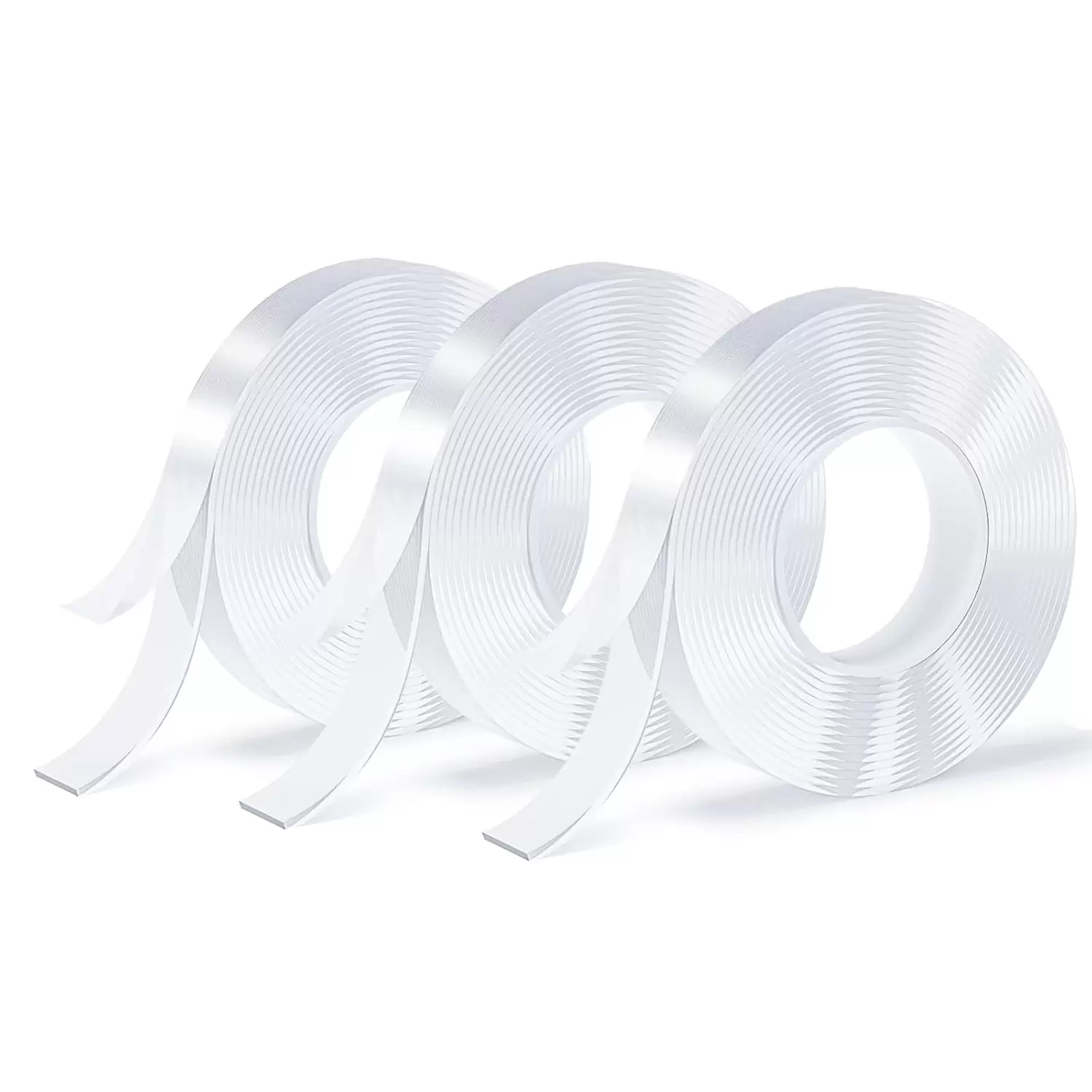
Breast support tape has become one of the fastest-growing categories in the beauty, fashion, and personal care market. From bridal boutiques and lingerie brands to online retailers and private label companies, more businesses are looking for reliable suppliers that can provide high-quality products with consistent adhesive performance.
For distributors and brand owners, product quality is determined by much more than appearance. Customers expect a tape that provides dependable support, remains comfortable during wear, removes cleanly, and maintains stable adhesion under different environmental conditions. As a result, sourcing a long lasting adhesive boob tape requires careful evaluation of raw materials, adhesive technology, production capability, and quality control.
This guide explains what makes adhesive breast tape perform well, how manufacturers achieve long-lasting adhesion without compromising skin comfort, and what B2B buyers should consider when selecting an OEM or ODM manufacturing partner.
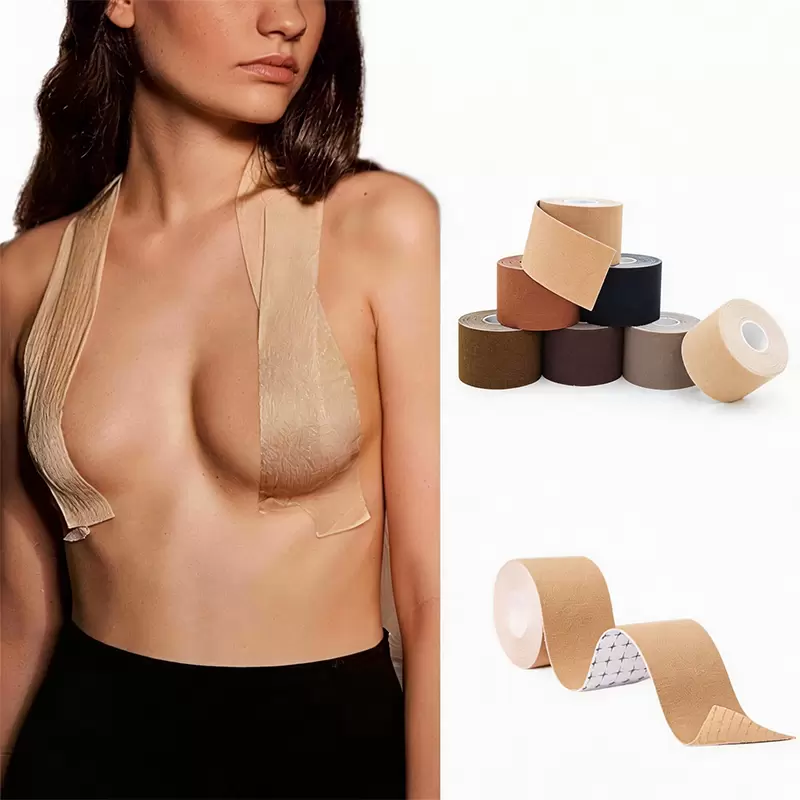
Understanding What "Long Lasting" Really Means
When discussing adhesive tapes for body applications, "long lasting" should not simply mean stronger adhesion. Instead, it refers to a balanced combination of several performance characteristics.
A high-quality long lasting adhesive boob tape should deliver:
Stable adhesion throughout normal wearing periods
Reliable support without excessive edge lifting
Comfortable skin contact
Minimal adhesive residue after removal
Good flexibility during body movement
Resistance to sweat under normal daily conditions
Consistent quality across different production batches
Professional manufacturers evaluate these characteristics together instead of optimizing only one aspect. Extremely aggressive adhesives may increase initial stickiness but can reduce comfort during removal or create skin irritation if not properly formulated.
For B2B customers, understanding this balance helps reduce customer complaints and improve long-term product reputation.
Why the Global Market Continues to Grow
The popularity of adhesive breast support products has expanded well beyond the fashion industry.
Several market trends continue to drive demand:
Growth of Backless and Strapless Fashion
Modern clothing designs increasingly feature:
Backless dresses
Deep V-neck garments
One-shoulder styles
Evening gowns
Wedding dresses
Formal event wear
Traditional bras are often unsuitable for these garments, creating demand for alternative support solutions.
Expansion of E-commerce
Online marketplaces allow consumers to compare products based on:
Comfort
Holding strength
Skin friendliness
Ease of application
Product reviews
This has increased competition among brands while raising expectations for product quality.
Private Label Opportunities
Many beauty and fashion brands now launch their own adhesive tape lines rather than manufacturing products themselves.
OEM manufacturers therefore play an increasingly important role by providing:
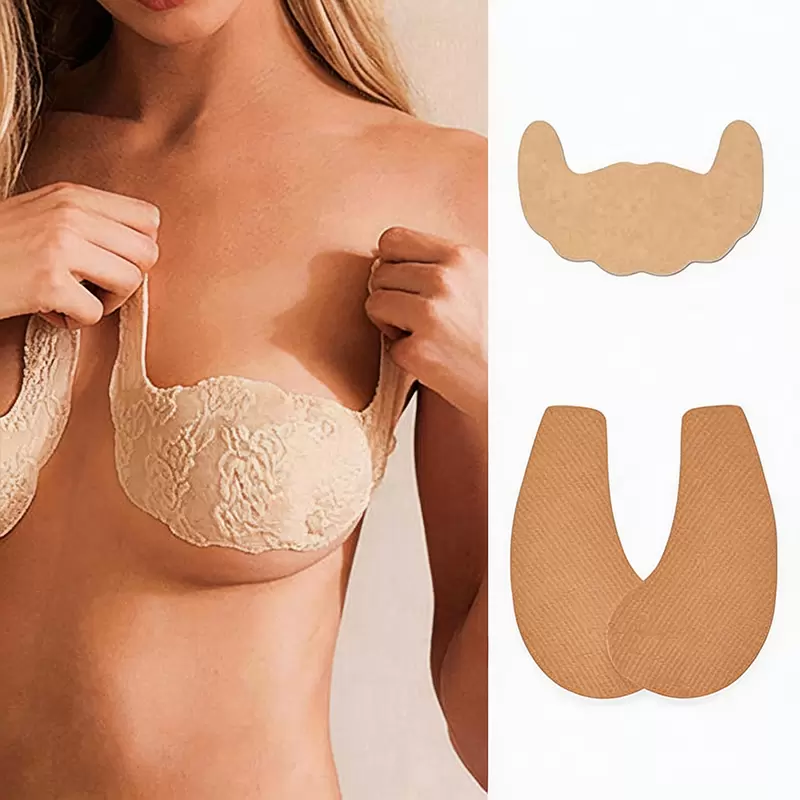
The Basic Structure of Adhesive Breast Tape
Although products may appear similar externally, internal construction varies considerably.
A typical long lasting adhesive boob tape consists of multiple functional layers.
Base Fabric
The fabric provides:
Mechanical strength
Stretchability
Shape retention
Wearing comfort
Common materials include:
Cotton
Cotton blends
Elastic fabric
Nonwoven materials
Cotton remains one of the most popular choices because it combines breathability with comfort.
Medical-Grade Pressure Sensitive Adhesive
The adhesive determines:
Manufacturers carefully adjust adhesive formulations according to target markets and intended applications.
Release Liner
The release liner protects the adhesive before use.
High-quality liners should:
Protective Packaging
Packaging protects the tape during:
Transportation
Warehouse storage
Retail display
Consumer use
Proper packaging also extends shelf life by limiting contamination and environmental exposure.
Why Adhesive Technology Makes the Biggest Difference
Many buyers focus primarily on fabric thickness or product appearance.
However, adhesive formulation has a much greater influence on overall performance.
Professional adhesive development typically considers:
Initial Tack
Initial tack refers to how quickly the tape bonds after application.
An ideal product creates immediate contact without requiring excessive pressure.
Holding Power
Holding power measures how well the adhesive maintains attachment over time.
High holding power helps reduce:
Edge lifting
Sliding
Partial peeling
Loss of support
Peel Strength
Peel strength should be balanced.
Too low:
Poor support
Easy detachment
Too high:
Difficult removal
Possible discomfort
Professional manufacturers optimize peel strength for skin applications rather than industrial bonding.
Cohesion
Internal cohesion keeps the adhesive layer intact during removal.
Good cohesion minimizes adhesive transfer onto the skin.
Factors That Influence Long-Term Adhesion
Even premium products cannot perform consistently if environmental conditions are ignored.
Several factors influence the performance of a long lasting adhesive boob tape.
Skin Preparation
Clean skin allows adhesives to bond more effectively.
Recommended preparation includes:
Moisturizers and body oils can significantly reduce adhesive performance.
Application Pressure
Pressure-sensitive adhesives require firm application.
Applying consistent pressure improves contact between the adhesive and skin surface.
Body Movement
Products designed with elastic fabric adapt more effectively to natural body movement.
Higher flexibility often reduces stress concentration at tape edges.
Environmental Temperature
Extremely hot or cold environments may affect adhesive characteristics.
Professional manufacturers test products under multiple environmental conditions to improve stability.
Moisture Exposure
Sweat resistance depends on both:
Adhesive formulation
Fabric construction
Different product grades may target different activity levels.
Common Fabric Options Used by Manufacturers
Different fabric constructions offer different performance characteristics.
Cotton Fabric
Advantages include:
Soft touch
Breathability
Comfortable wear
Natural appearance
Cotton remains a preferred material for many consumer brands.
Cotton-Spandex Blend
Benefits include:
Better elasticity
Improved recovery
Enhanced body conformity
These products often provide more consistent support during movement.
Nonwoven Materials
Some economical product lines use nonwoven substrates.
Advantages include:
Lower production cost
Lightweight construction
Efficient manufacturing
However, performance varies depending on fiber quality and adhesive selection.
Stretch Performance and Support Stability
Elasticity is one of the defining characteristics of modern breast support tape.
A properly engineered product stretches enough to conform to body contours without excessive deformation.
Manufacturers generally evaluate:
Stretch ratio
Recovery performance
Tensile strength
Edge stability
Dimensional consistency
Well-balanced elasticity improves both comfort and support.
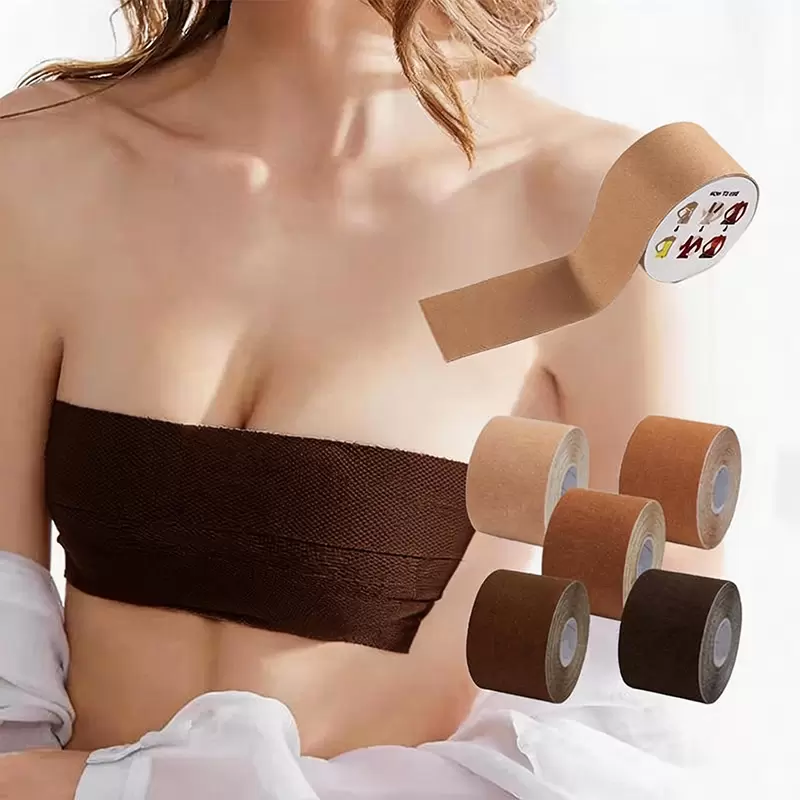
Breathability Matters More Than Many Buyers Expect
Consumers often wear breast tape for several hours.
Breathability therefore becomes an important quality factor.
Better airflow can improve wearing comfort by helping reduce moisture accumulation between the tape and skin.
Manufacturers improve breathability through:
The objective is to maintain adequate support while improving user comfort.
Sweat Resistance Without Sacrificing Comfort
Many end users assume waterproof performance automatically means stronger adhesion.
In reality, sweat resistance depends on multiple engineering factors.
Professional manufacturers evaluate products using conditions that simulate:
Daily activities
Indoor events
Outdoor environments
Moderate perspiration
Rather than pursuing maximum stickiness alone, manufacturers seek consistent adhesion throughout the intended wearing period.
This balanced approach often produces a better customer experience than simply increasing adhesive aggressiveness.
Production Consistency Is Critical for Private Label Brands
Retail customers expect every roll to perform similarly.
Achieving this consistency requires standardized manufacturing processes rather than relying solely on raw material quality.
Professional adhesive tape manufacturers typically control:
Stable production processes help reduce variation between batches, supporting stronger brand reputation for distributors and private label businesses.
Why OEM Experience Matters
For many distributors, importing finished products is only part of the business strategy. Developing a private label or customized product line often creates greater long-term value.
An experienced OEM manufacturer can support customers by offering:
Customized dimensions
Different adhesive formulations
Fabric color options
Logo printing
Private label packaging
Retail-ready packaging solutions
Bulk production for international markets
Manufacturers with an integrated production system are generally better positioned to maintain quality consistency while supporting large-volume orders.
Material Selection: The Foundation of a Long Lasting Adhesive Boob Tape
Every reliable adhesive tape begins with carefully selected raw materials. While consumers often judge a product by its appearance or packaging, experienced buyers know that the real performance depends on the quality of its components.
For manufacturers and private label brands, investing in premium materials usually leads to lower return rates, stronger customer satisfaction, and better long-term brand reputation.
Fabric Quality
The base fabric directly affects flexibility, support, and overall comfort.
A quality fabric should provide:
Premium cotton fabrics remain the preferred option for many fashion brands because they combine softness with durability. Cotton-blended elastic fabrics are also increasingly popular, offering improved stretch and recovery without sacrificing comfort.
Low-grade fabrics, by contrast, often exhibit inconsistent thickness, poor elasticity, or edge fraying after cutting. These defects not only reduce product quality but also complicate automated production and packaging.
Pressure-Sensitive Adhesive Selection
The adhesive system is the most technically demanding component of a long lasting adhesive boob tape.
Professional manufacturers evaluate several performance indicators simultaneously:
Initial tack
Peel adhesion
Holding power
Shear resistance
Aging stability
Skin compatibility
Temperature tolerance
Rather than simply maximizing adhesion, experienced manufacturers formulate adhesives to achieve a balance between secure attachment and comfortable removal.
An adhesive that is excessively aggressive may cause discomfort during removal, while an adhesive that is too weak may fail to provide sufficient support during normal wear.
Release Liner Performance
Although often overlooked, the release liner plays a significant role in manufacturing consistency and user experience.
A high-quality liner should:
Release smoothly without tearing
Maintain dimensional stability
Protect the adhesive from contamination
Prevent adhesive transfer during storage
Support accurate die-cutting
Poor release liners may wrinkle, curl, or separate unevenly, increasing production waste and reducing customer satisfaction.
Skin-Friendly Adhesive Technology
Consumers increasingly prioritize comfort alongside performance. As a result, skin compatibility has become one of the most important purchasing criteria for adhesive body tapes.
Professional manufacturers therefore invest significant resources in adhesive formulation and material testing.
Breathable Construction
Breathability helps reduce moisture accumulation between the tape and skin.
Depending on the product design, manufacturers may improve airflow by optimizing:
Fabric weave
Adhesive coating pattern
Material thickness
Elastic structure
Better ventilation can improve wearing comfort during extended use.
Residue Control
One common complaint associated with low-quality tapes is adhesive residue remaining on the skin after removal.
Residue generally results from:
Low cohesive strength
Inferior adhesive formulation
Poor manufacturing consistency
Improper storage conditions
High-quality pressure-sensitive adhesives are engineered to maintain internal cohesion, helping minimize residue while preserving holding performance.
Flexible Adhesive Response
Human skin continuously stretches and contracts during movement.
Modern adhesive systems are designed to move with the body rather than resisting natural motion.
This flexibility helps reduce:
Edge lifting
Wrinkling
Localized stress
Premature peeling
For fashion applications involving dancing, photography, weddings, or long events, flexibility contributes significantly to overall wearing comfort.
Manufacturing Process Behind a High-Quality Product
Reliable performance depends not only on raw materials but also on manufacturing precision.
An integrated production facility generally follows a controlled workflow to ensure consistent product quality.
Step 1: Raw Material Inspection
Incoming materials are inspected before production begins.
Typical inspection items include:
Fabric thickness
Elasticity
Surface cleanliness
Adhesive viscosity
Release liner quality
Color consistency
Only materials meeting predefined specifications proceed to production.
Step 2: Adhesive Coating
The adhesive is evenly coated onto the fabric using precision coating equipment.
Key control points include:
Coating weight
Uniform distribution
Surface smoothness
Coating speed
Temperature control
Even minor deviations can affect adhesion performance.
Step 3: Drying and Curing
After coating, the material passes through controlled drying systems.
This stage stabilizes the adhesive and removes excess solvents or moisture where applicable.
Proper curing contributes to:
Stable adhesion
Consistent tack
Longer shelf life
Reduced batch variation
Step 4: Slitting and Die Cutting
Large master rolls are converted into customer-specific dimensions.
Manufacturers can produce various:
Widths
Roll lengths
Shapes
Pre-cut strips
Retail-ready formats
Precision cutting ensures clean edges and minimizes material waste.
Step 5: Packaging
Packaging serves multiple purposes beyond product presentation.
It helps protect the adhesive from:
Retail packaging may include application instructions, multilingual labeling, barcode printing, and private label branding.
Why Production Consistency Matters More Than Maximum Adhesion
Many buyers compare products based solely on adhesion strength.
However, consistency is often more valuable than extremely high initial tack.
Imagine two production batches:
Batch A provides exceptionally strong adhesion but varies significantly between rolls.
Batch B delivers stable, repeatable performance across every shipment.
For distributors, Batch B is usually the better commercial choice because it reduces customer complaints, simplifies inventory management, and strengthens brand credibility.
Professional manufacturers achieve consistency by controlling every production parameter rather than relying on overly aggressive adhesive formulations.
Quality Control Throughout the Manufacturing Process
Quality assurance begins long before finished products are packed.
A comprehensive quality management system typically includes inspections at multiple stages.
Incoming Material Inspection
Manufacturers verify:
Fabric specifications
Adhesive properties
Packaging materials
Release liners
Color accuracy
In-Process Monitoring
During production, technicians monitor:
Coating thickness
Line speed
Temperature
Tension control
Product dimensions
Continuous monitoring helps identify deviations before they affect finished products.
Finished Product Testing
Before shipment, finished products may undergo evaluations such as:
These procedures help ensure that each shipment meets agreed specifications.
Environmental Factors Affecting Adhesive Performance
Even the highest-quality long lasting adhesive boob tape performs best when used under appropriate conditions.
B2B buyers should understand how environmental factors influence product behavior, particularly when supplying customers in different climates.
Temperature
Storage and transportation temperatures can affect adhesive characteristics.
Recommended storage generally includes:
Extreme heat may soften certain adhesive systems, while prolonged exposure to very low temperatures can temporarily reduce initial tack.
Humidity
High humidity can influence packaging integrity and, over long periods, affect adhesive performance if products are not properly sealed.
Moisture-resistant packaging helps preserve product quality during international shipping and warehouse storage.
Shelf Life
Shelf life depends on:
Adhesive formulation
Packaging quality
Storage conditions
Inventory management
Manufacturers typically recommend rotating inventory on a first-in, first-out (FIFO) basis to maintain optimal performance.
Choosing the Right Manufacturing Partner
For importers and private label brands, selecting a manufacturing partner involves much more than comparing quotations.
A capable supplier should demonstrate expertise in:
Dongguan Xingda New Material Technology Co., Ltd. operates with an independent and complete production chain, covering product development, manufacturing, and quality management. This integrated approach enables efficient production scheduling, flexible OEM/ODM customization, and reliable order fulfillment for customers in global markets.
Beyond manufacturing, Xingda New Material works with distributors, retailers, and brand owners to develop customized adhesive tape solutions based on different market positioning, packaging requirements, and performance expectations.
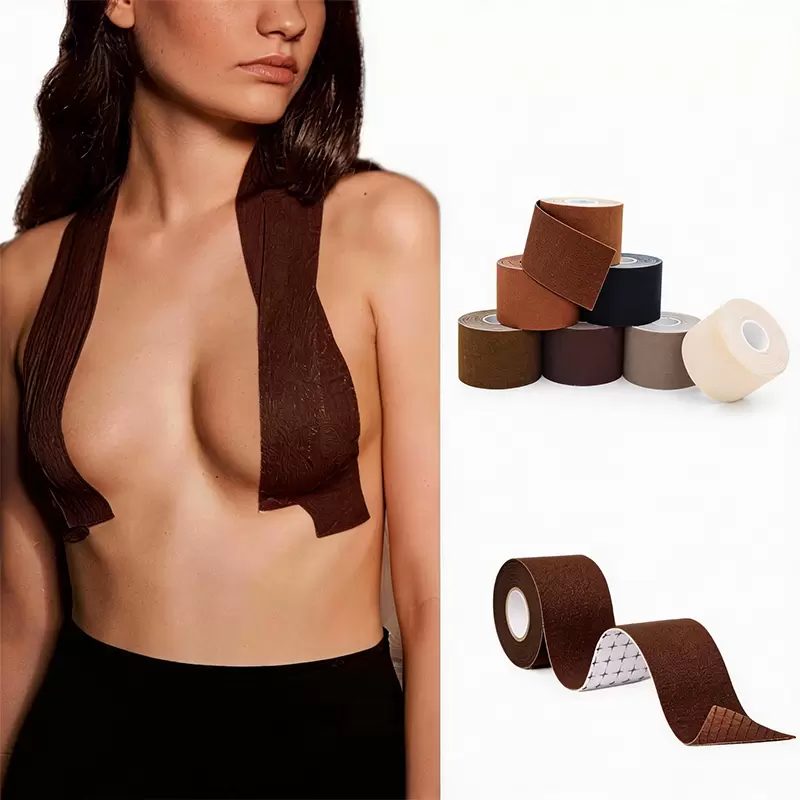
OEM and ODM Solutions for Brand Owners
The growing demand for adhesive breast support products has encouraged many businesses to develop their own private-label product lines. Instead of purchasing generic products, retailers and distributors increasingly seek customized solutions that differentiate their brands in competitive markets.
For this reason, choosing a manufacturer with mature OEM and ODM capabilities is just as important as selecting the right product specification.
What Can Be Customized?
A professional manufacturer should be able to customize multiple aspects of the product, including:
Tape width and roll length
Fabric material and thickness
Adhesive formulation for different markets
Product color
Core diameter
Logo printing
Release paper printing
Packaging design
Retail display boxes
Instruction manuals
Barcode labels
Carton specifications
Customization allows brands to position products for different customer groups, whether targeting premium beauty retailers, bridal boutiques, cosmetic chains, supermarkets, or online marketplaces.
Choosing the Right Adhesive Performance for Different Markets
Not every customer requires the same adhesive strength.
Experienced manufacturers often help customers match adhesive performance to the intended application instead of recommending one universal formula.
Daily Fashion Wear
Typical requirements include:
Comfortable removal
Moderate support
Breathable construction
Soft cotton fabric
Suitable for:
Office wear
Casual dresses
Daily fashion
Bridal Collections
Wedding dresses often require support throughout an entire ceremony and reception.
Important characteristics include:
Many bridal brands therefore prefer premium-grade adhesive formulations.
Professional Fashion and Photography
Fashion studios often require products that remain secure during repeated movement, outfit changes, and long shooting sessions.
Recommended features include:
Retail Mass Market
Large retail chains generally prioritize:
Stable quality
Competitive pricing
Attractive packaging
Consistent supply
Production efficiency becomes especially important when fulfilling large purchase volumes.
How B2B Buyers Evaluate a Long Lasting Adhesive Boob Tape Supplier
Price remains an important consideration, but experienced buyers rarely make purchasing decisions based on cost alone.
Instead, they evaluate the supplier's overall capability.
Manufacturing Capacity
Questions buyers often ask include:
How many coating lines are available?
Can production scale during peak seasons?
Is there sufficient inventory of raw materials?
What is the average production lead time?
Can urgent orders be accommodated?
Manufacturers with integrated production systems generally provide greater scheduling flexibility.
Product Development Capability
Fashion trends change rapidly.
An experienced manufacturer should be capable of developing new products according to customer requirements.
Examples include:
Strong research and development capabilities help brands respond more quickly to changing market demand.
Quality Management System
Reliable manufacturers implement standardized quality procedures throughout production.
Buyers should evaluate whether the supplier maintains documented quality controls covering:
Consistent quality is particularly important for private-label businesses where product performance directly affects brand reputation.
Export Experience
International orders require more than manufacturing expertise.
Experienced exporters understand:
Efficient logistics help reduce delivery risks and improve supply chain stability.
Common Purchasing Mistakes to Avoid
Even experienced importers occasionally focus on the wrong purchasing criteria.
The following issues frequently lead to avoidable problems.
Choosing Only the Lowest Price
Lower prices may indicate:
Although the initial purchase cost may appear attractive, customer complaints and product returns often increase the total cost.
Ignoring Batch Consistency
Receiving an excellent sample does not guarantee long-term consistency.
Buyers should verify whether the supplier can maintain the same specifications across multiple production batches.
Consistency is especially important for long-term brand development.
Overlooking Packaging Quality
Retail packaging influences:
Consumer perception
Product protection
Shelf presentation
Transportation safety
Damaged packaging can negatively affect both customer satisfaction and retail sales.
Not Testing Products Under Actual Conditions
Laboratory specifications provide valuable reference data, but practical testing remains essential.
Many professional buyers evaluate products under conditions similar to their target markets, considering factors such as:
Practical testing provides a more complete understanding of product performance.
Sample Evaluation Checklist
Before confirming mass production, buyers can evaluate sample products using the following checklist.
| Evaluation Item | Key Questions |
|---|
| Fabric Quality | Is the fabric soft, uniform, and comfortable? |
| Adhesive Performance | Does the tape maintain stable adhesion throughout the intended wear period? |
| Stretchability | Does the material recover well after stretching? |
| Edge Quality | Are the edges clean without fraying? |
| Adhesive Residue | Does removal leave minimal residue under normal use? |
| Packaging | Is the retail packaging durable and professional? |
| Roll Consistency | Are dimensions and winding consistent across samples? |
| Appearance | Are color, texture, and finish uniform? |
Using standardized evaluation criteria makes supplier comparisons more objective.
Comparing Premium and Standard Product Specifications
Not every customer requires the highest product specification. Manufacturers often provide multiple grades to accommodate different market segments.
| Feature | Standard Grade | Premium Grade |
|---|
| Fabric | Cotton Blend | Premium Cotton Elastic Fabric |
| Adhesive Stability | Good | Excellent |
| Wearing Comfort | Good | Excellent |
| Stretch Recovery | Standard | High |
| Edge Stability | Good | Excellent |
| Packaging Options | Standard | Fully Customized |
| OEM Flexibility | Basic | Extensive |
The appropriate specification depends on the target customer group, sales channel, and brand positioning.
Industry Trends Driving Product Development
The adhesive beauty products market continues to evolve. Several trends are influencing product design and manufacturing priorities.
Greater Focus on Skin Comfort
Consumers increasingly look for products that combine reliable support with a comfortable wearing experience. This has encouraged manufacturers to invest in softer fabrics and more balanced adhesive systems.
Sustainable Packaging
Retailers in many regions are exploring environmentally conscious packaging solutions. As a result, manufacturers are evaluating recyclable materials and optimized packaging structures that reduce unnecessary waste while maintaining product protection.
Faster Product Development Cycles
Fashion trends can change within a single season. Brands therefore expect suppliers to shorten development timelines for customized products, from sample creation to mass production.
Manufacturers with integrated R&D, coating, slitting, and packaging capabilities are generally better equipped to respond efficiently to these demands.
Higher Expectations for Supply Chain Reliability
Global buyers increasingly value suppliers that can provide consistent production capacity, stable lead times, and responsive communication. Reliable delivery has become a competitive advantage alongside product quality.
International Market Requirements for Adhesive Breast Support Tape
For brands and distributors selling in international markets, product quality is only one part of successful commercialization. Different regions may have different expectations regarding materials, packaging, labeling, and documentation.
A professional adhesive tape supplier should understand these market differences and provide suitable solutions for global customers.
North American Market Considerations
The North American beauty and fashion market places strong emphasis on:
Retailers and online brands usually expect products to have professional packaging and accurate product descriptions.
For businesses launching a private-label line, manufacturers should support:
Customized packaging artwork
English instruction materials
Product specification sheets
Stable production quality
The success of a product in this market depends not only on performance but also on how professionally it is presented to consumers.
European Market Considerations
European customers often pay close attention to:
Brands entering European markets typically require suppliers that can provide detailed product information and maintain consistent manufacturing standards.
For distributors, working with a manufacturer that understands international export requirements can simplify supply chain management and reduce communication barriers.
Asian Market Considerations
Asian fashion markets often emphasize:
Lightweight design
Comfortable materials
Attractive packaging
Flexible product options
Because fashion trends develop quickly, brands often require suppliers capable of responding rapidly with customized products.
Manufacturers with strong production flexibility can help customers introduce new product variations more efficiently.
Storage and Transportation Recommendations
A high-quality long lasting adhesive boob tape should maintain performance throughout its entire supply chain journey.
From factory production to consumer purchase, proper storage and transportation conditions are essential.
Warehouse Storage
Recommended storage practices include:
Keeping products in a dry environment
Avoiding direct sunlight exposure
Maintaining stable temperature conditions
Protecting packaging from crushing
Preventing dust contamination
Improper storage can affect adhesive characteristics even before products reach customers.
For distributors managing large inventories, warehouse conditions should be considered part of overall product quality management.
International Shipping Considerations
During international transportation, products may experience:
Temperature fluctuations
Humidity changes
Long storage periods
Mechanical pressure
Professional manufacturers consider these factors when designing packaging solutions.
Protective cartons, moisture-resistant packaging materials, and appropriate loading methods help maintain product condition during overseas shipment.
Inventory Management
For brands and distributors, effective inventory management helps maintain product freshness and reduce unnecessary storage time.
Recommended practices include:
Following first-in, first-out inventory rotation
Monitoring warehouse conditions
Avoiding excessive long-term storage
Maintaining communication with suppliers regarding production schedules
A reliable manufacturing partner can help customers coordinate production planning according to market demand.
How Xingda New Material Supports Global B2B Customers
Selecting the right supplier is a strategic decision for businesses building long-term product lines.
Dongguan Xingda New Material Technology Co., Ltd. focuses on adhesive tape research, development, production, and sales, providing solutions for customers across different application industries.
The company’s product portfolio includes:
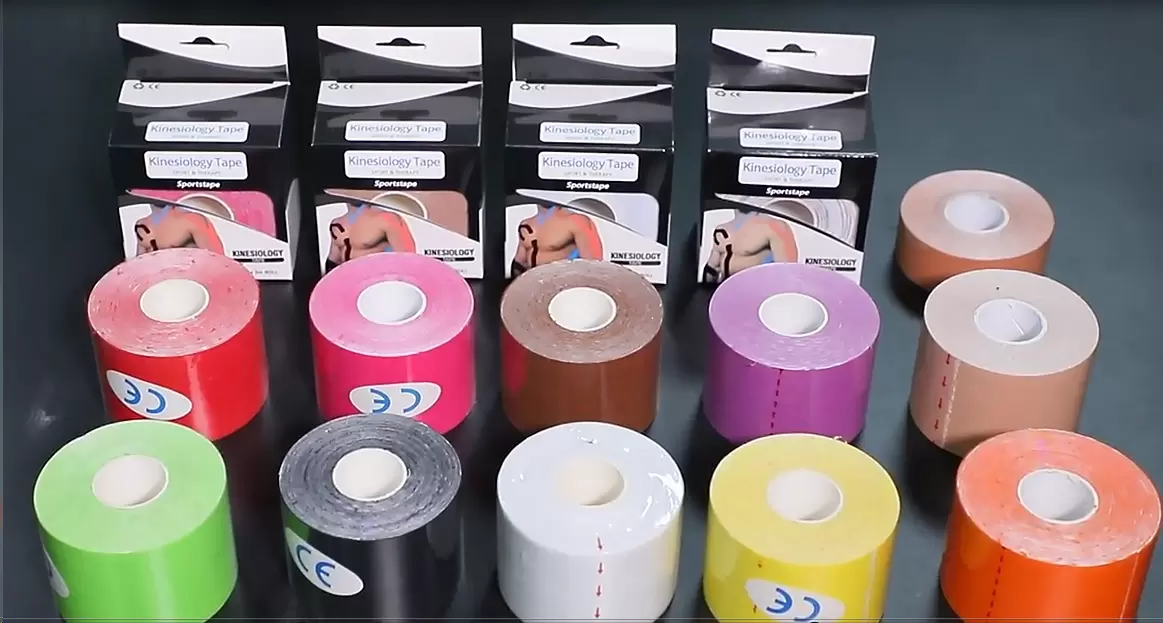
Sport Tape
Kinesiology Tape
Athletic Tape
Sport Bandage
Duct Tape
Cloth-Based Adhesive Tape
Fiber Mesh Double-Sided Adhesive Tape
Kraft Paper Adhesive Tape
Golf Grip Double-Sided Adhesive Tape
Customized Special Adhesive Tapes
With an integrated production chain and professional manufacturing capability, Xingda New Material supports customers requiring customized adhesive solutions, including private-label projects and OEM development.
For businesses entering the breast support tape market, the company provides support in areas such as:
Rather than acting only as a product supplier, Xingda New Material aims to work as a long-term manufacturing partner helping customers improve product competitiveness.
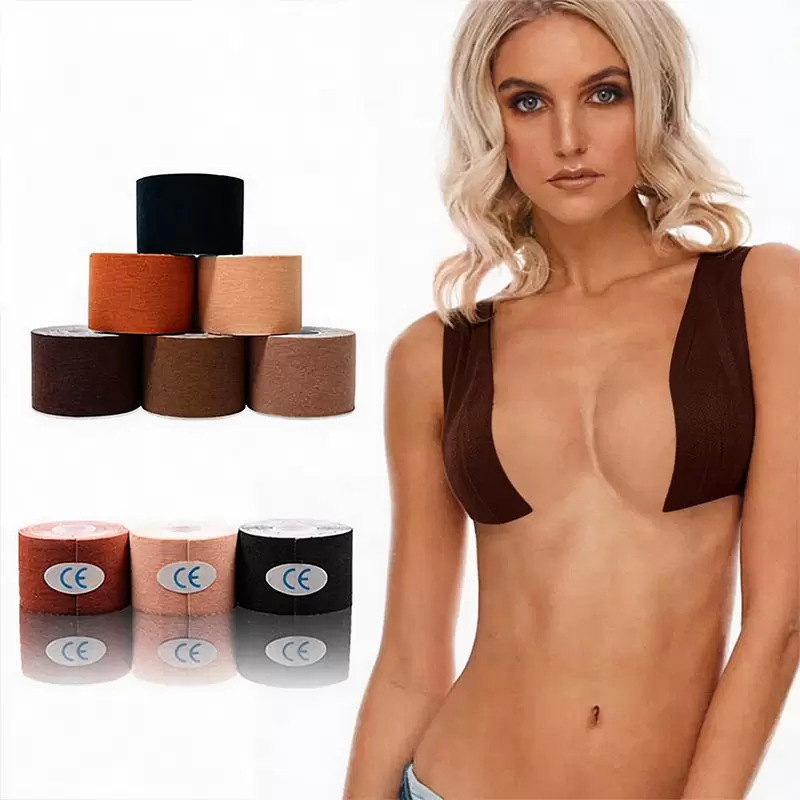
Frequently Asked Questions About Long Lasting Adhesive Boob Tape
1. What makes a long lasting adhesive boob tape different from ordinary adhesive tape?
A long lasting adhesive boob tape is specifically designed for body application. It requires a carefully balanced combination of flexible fabric, skin-compatible adhesive, stable holding power, and comfortable removal performance.
Industrial adhesive tapes focus mainly on bonding strength, while body-use tapes require additional considerations such as flexibility and wearing comfort.
2. How long can adhesive breast tape typically maintain adhesion?
The actual wearing duration depends on several factors, including:
Professional manufacturers design products according to different market expectations and application scenarios.
3. Can adhesive breast tape be customized for private-label brands?
Yes. Many manufacturers provide OEM and ODM services for brands that want customized products.
Customization options may include:
Tape size
Fabric selection
Adhesive performance
Color
Packaging
Logo printing
Retail presentation
Private-label customization allows brands to create differentiated products instead of competing only on price.
4. What materials are commonly used for adhesive breast tape?
Common materials include:
The best material depends on the target market, required flexibility, and positioning strategy.
5. How do manufacturers improve adhesive performance?
Manufacturers improve performance through:
Adhesive formulation development
Controlled coating processes
Material compatibility testing
Production parameter optimization
Finished product inspection
Adhesive performance is the result of the complete manufacturing system rather than one single component.
6. Why does adhesive tape sometimes lose stickiness?
Several factors may reduce adhesion:
Proper preparation and storage help maintain product performance.
7. What should buyers check before placing a bulk order?
B2B buyers should evaluate:
Product samples
Manufacturing capability
Quality control process
Customization options
Packaging standards
Production capacity
Export experience
A reliable supplier relationship is built through both product quality and operational reliability.
8. Can manufacturers produce different tape widths and lengths?
Yes. Professional adhesive tape manufacturers can usually customize dimensions according to customer requirements.
Different sizes may be developed for:
9. What is the advantage of working directly with a manufacturer?
Direct cooperation with a manufacturer can provide:
Better communication efficiency
More customization flexibility
Stronger quality control
Improved production planning
More stable supply capability
For growing brands, direct manufacturing partnerships often create greater long-term value.
10. How should businesses evaluate adhesive tape suppliers?
A complete evaluation should include:
The lowest quotation does not always represent the best business solution.
Future Development of Adhesive Body Support Products
The adhesive beauty product market will continue evolving as consumers seek more convenient alternatives to traditional support products.
Future product development is expected to focus on:
Manufacturers that combine material innovation with flexible production capabilities will be better positioned to support brands in competitive global markets.
For B2B buyers, choosing a supplier with strong technical understanding and manufacturing experience is essential for building products that satisfy both retailers and end users.
Conclusion: Building Reliable Adhesive Tape Products Through Manufacturing Expertise
The success of an adhesive breast support product depends on a combination of material quality, adhesive technology, manufacturing consistency, and supply chain reliability.
A successful long lasting adhesive boob tape product is not created by simply increasing adhesive strength. It requires careful engineering to balance support, comfort, flexibility, and user experience.
For brands, distributors, and retailers, working with an experienced adhesive tape manufacturer provides advantages in product customization, quality stability, and long-term supply development.
Dongguan Xingda New Material Technology Co., Ltd. combines adhesive tape expertise, integrated production capabilities, and customer-focused development to provide customized solutions for global markets.
By partnering with a capable manufacturer, businesses can create reliable adhesive tape products that meet changing consumer expectations and build stronger market competitiveness.