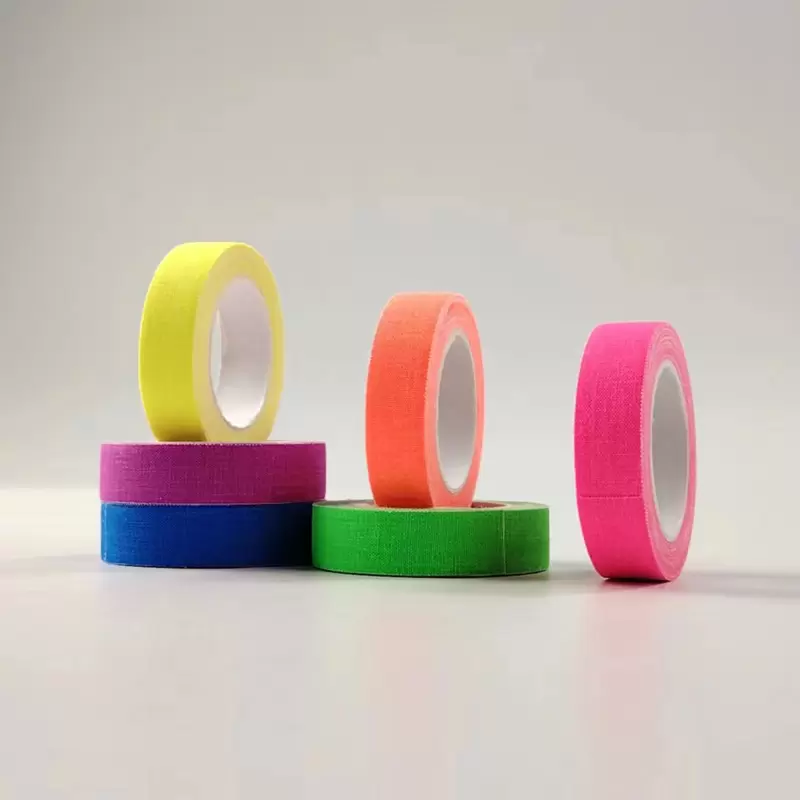
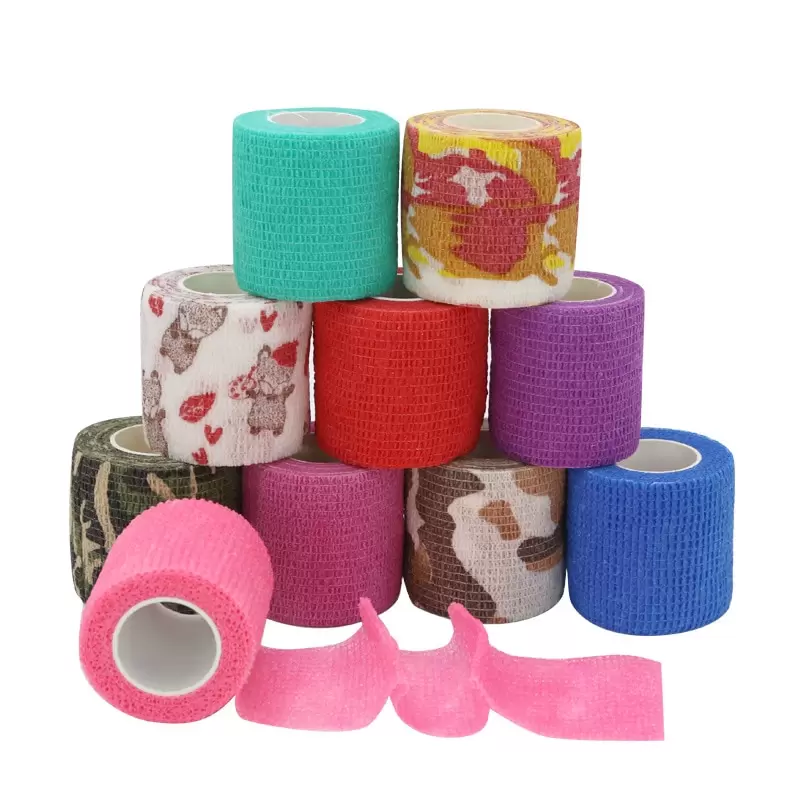
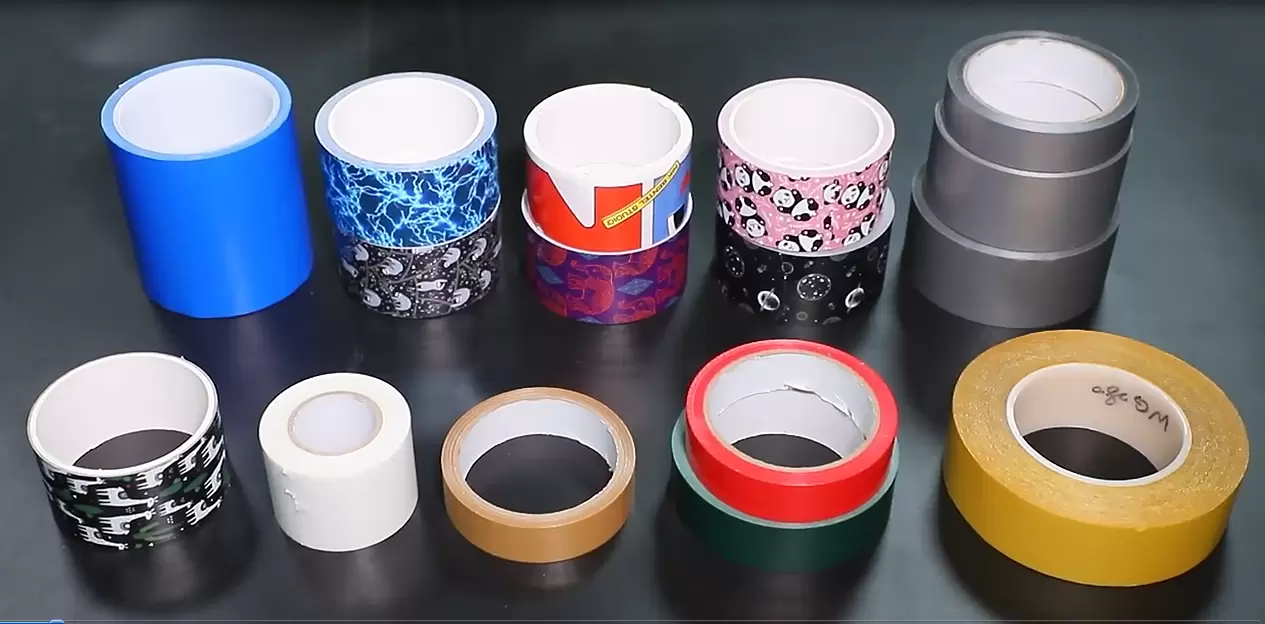
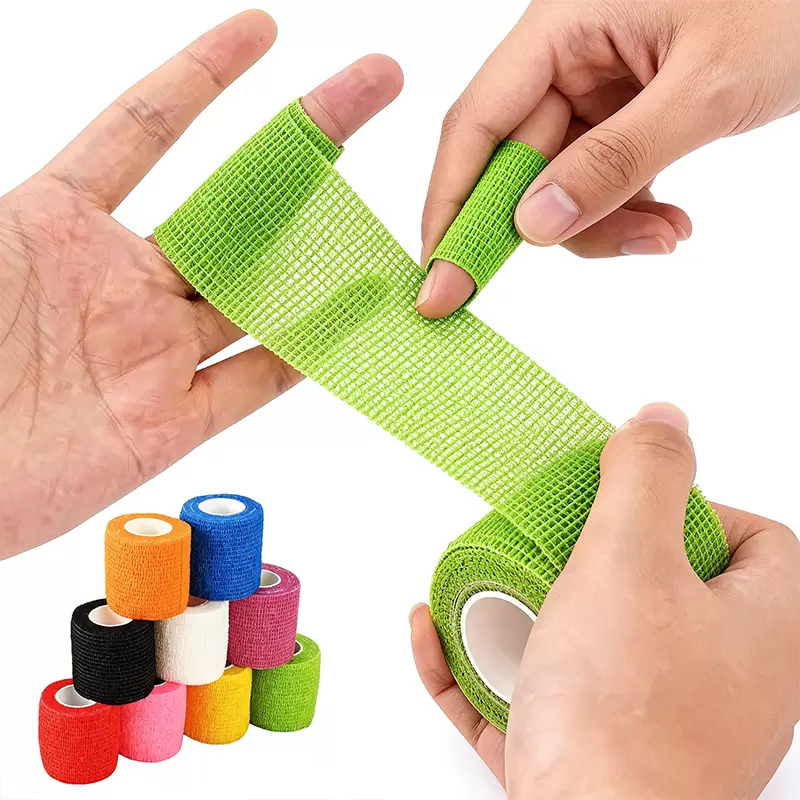
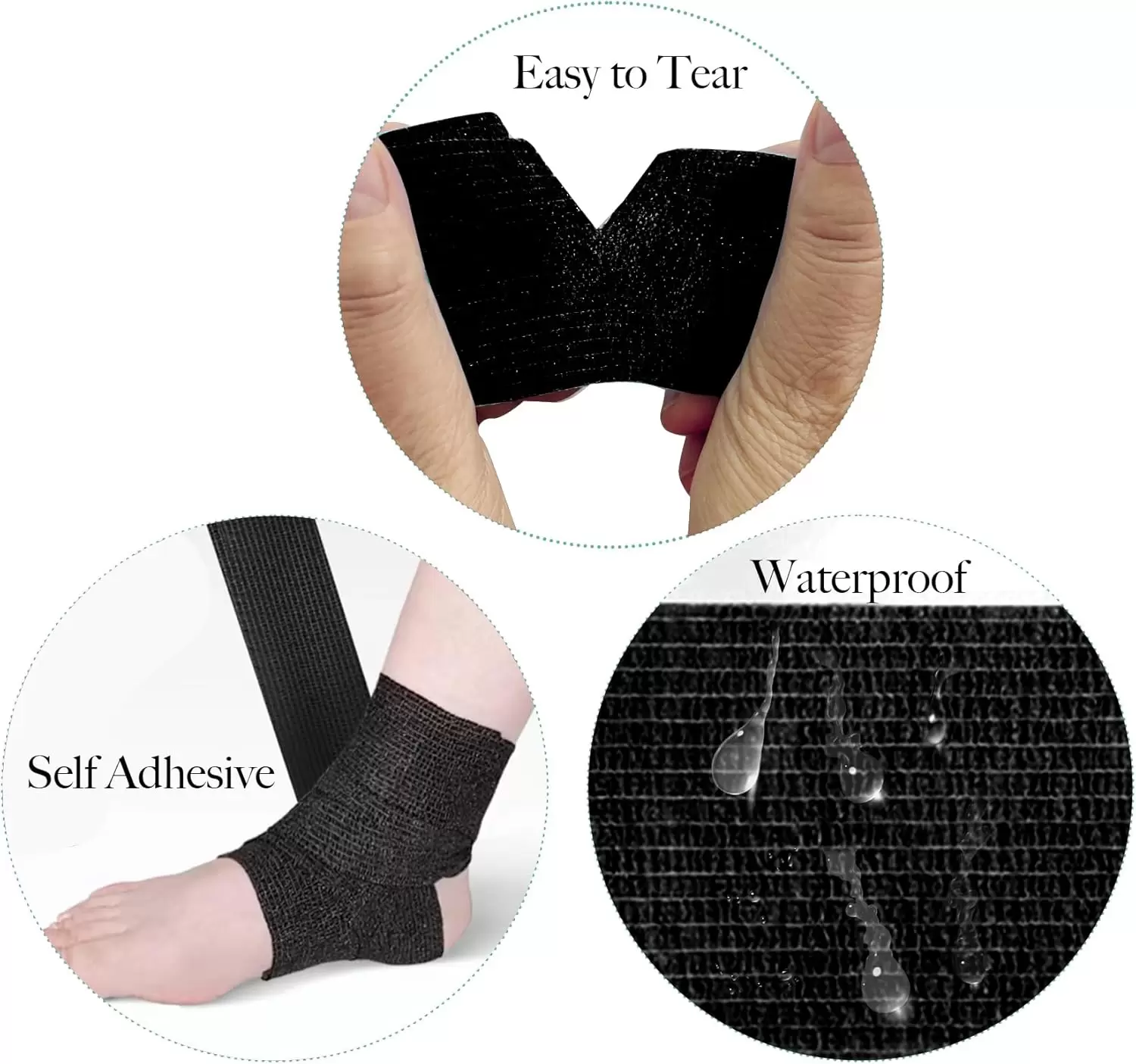
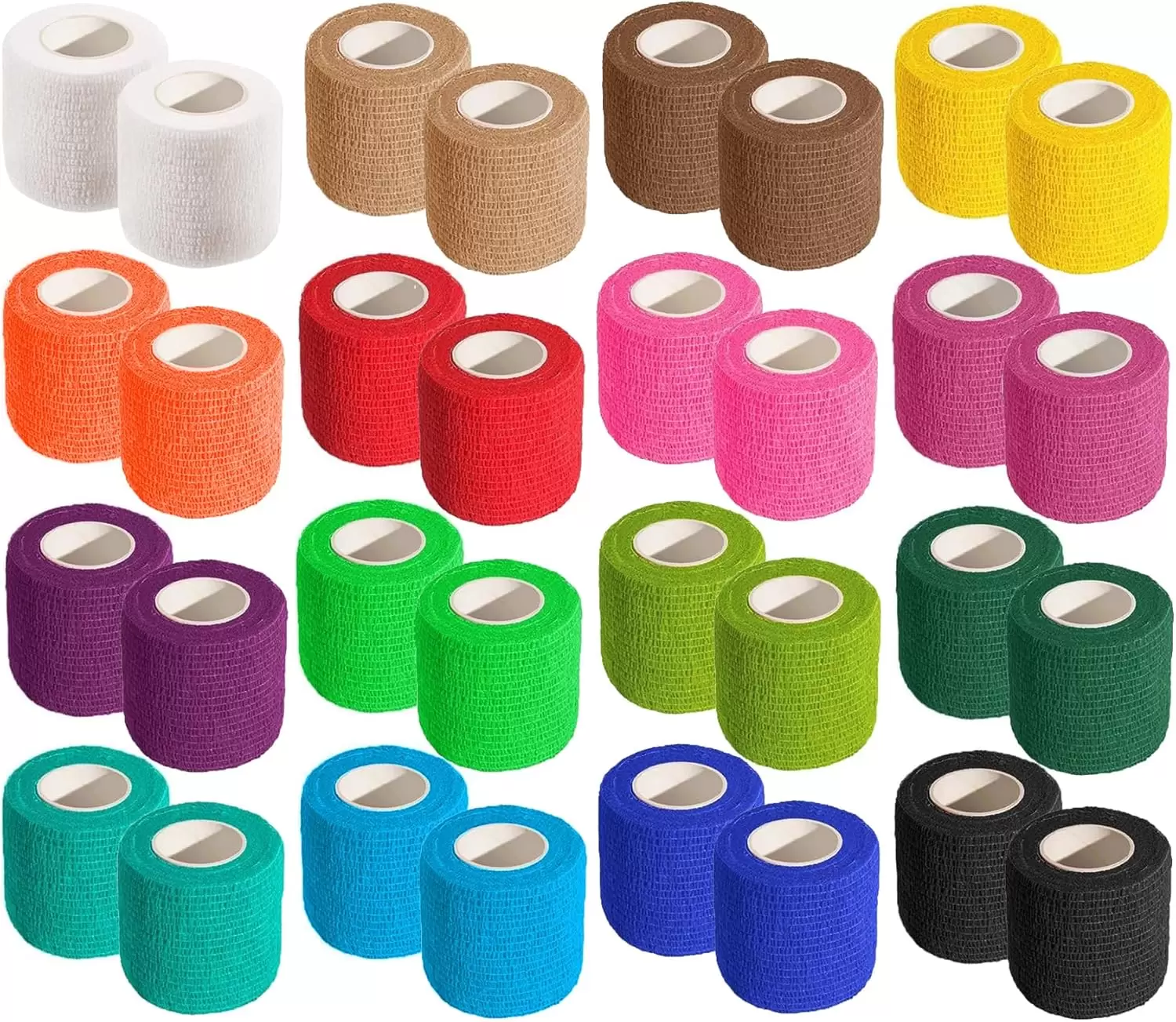
In the sports medicine and fitness supply chain, waterproof athletic tape supplier bulk sourcing has become a core procurement topic for brands, physiotherapy clinics, gyms, and distributors. The demand is no longer limited to “basic support tape.” Buyers now expect consistent adhesion under sweat and water exposure, skin safety, custom branding capability, and scalable bulk supply stability.
For companies like Xingda New Material, which operates across the full adhesive tape manufacturing chain—from R&D to production and export—the challenge is not just making tape, but delivering repeatable industrial-grade quality at scale for global B2B customers.
This article breaks down how waterproof athletic tape is actually produced, what matters in bulk procurement, and how suppliers position themselves in a competitive global market.
1. What “Waterproof Athletic Tape” Means in Real Use
Waterproof athletic tape is not a single standardized product. In practice, it refers to a category of sport-support adhesives engineered to maintain adhesion under:
Sweat saturation during high-intensity sports
Direct water exposure (swimming, rain, aquatic rehab)
Long wear times (24–72 hours depending on application)
Skin movement and stretching zones
A reliable waterproof athletic tape supplier bulk solution typically integrates three technical layers:
1.1 Base Fabric Layer
Most professional-grade tapes use:
Cotton woven fabric (high breathability, stable structure)
Rayon blends (better conformability)
Synthetic fibers (higher water resistance and elasticity control)
Fabric selection directly determines how well the tape conforms to joints like ankles, shoulders, and wrists.
1.2 Adhesive System
Industrial waterproof performance depends heavily on adhesive chemistry:
Acrylic adhesive (balanced water resistance and skin safety)
Medical-grade hot-melt adhesives (high initial tack)
Modified rubber-based adhesives (strong grip, but must be skin-safe)
A key requirement in bulk procurement is batch consistency of adhesive viscosity, because small deviations lead to peeling or skin irritation issues.
1.3 Coating and Breathability Design
Contrary to common assumptions, waterproof tape is not fully sealed. High-end products use micro-porous coating structures to:
Prevent water penetration while allowing vapor escape
Reduce maceration during long wear
Improve comfort during sports activity
2. Why Bulk Procurement Matters in the Sports Tape Industry
The keyword “bulk” is not just about price. In B2B procurement, it represents three structural requirements:
2.1 Production Stability
Large buyers need assurance that:
Roll width remains consistent (e.g., 2.5cm / 5cm / custom)
Stretch ratio remains controlled (often 130%–180%)
Adhesion strength does not vary between batches
Without stable production, physiotherapy clinics and sports brands risk product inconsistency, which directly affects user trust.
2.2 Supply Chain Predictability
A reliable waterproof athletic tape supplier bulk partner must provide:
Continuous production capacity
Short lead times for repeat orders
Export-ready packaging and logistics coordination
Suppliers like Xingda New Material integrate production, coating, slitting, and packaging internally, which reduces dependency on fragmented subcontractors and improves delivery predictability.
2.3 Cost Efficiency at Scale
Bulk procurement allows:
Reduced per-unit material cost
Optimized packaging formats (multi-roll cartons, private label boxes)
Lower freight cost per roll due to container optimization
However, cost efficiency should never compromise adhesive stability or waterproof performance.
3. Manufacturing Workflow Behind Waterproof Athletic Tape
Understanding production helps buyers evaluate supplier capability beyond marketing claims.
3.1 Raw Material Preparation
Core inputs include:
Greige fabric rolls
Adhesive polymers (acrylic / hot-melt systems)
Release liners (if applicable for certain tape types)
Printing inks for OEM branding
At this stage, quality control focuses on fabric density and tensile strength.
3.2 Coating Process
The adhesive is applied using controlled coating lines:
Temperature-controlled adhesive melting
Even roll-to-roll coating distribution
Thickness calibration (critical for waterproof behavior)
Even a 5–10% deviation in coating thickness can change how tape performs under water exposure.
3.3 Drying and Curing
The tape passes through drying tunnels:
Solvent evaporation (if solvent-based adhesives are used)
Thermal curing to stabilize adhesion matrix
Humidity-controlled cooling phase
This step determines long-term adhesive stability.
3.4 Slitting and Rewinding
Industrial slitting machines cut large master rolls into:
Standard widths (1.25cm, 2.5cm, 5cm)
Custom OEM sizes for private labels
Consistency in edge cutting prevents fraying during application.
3.5 Packaging and OEM Branding
For waterproof athletic tape supplier bulk orders, packaging customization includes:
Logo printing on cores or boxes
Retail-ready packaging for e-commerce
Bulk carton packaging for distributors
4. Key Performance Factors Buyers Should Evaluate
In real procurement cycles, technical evaluation matters more than catalog descriptions.
4.1 Adhesion Under Moisture
A true waterproof athletic tape must maintain grip after:
If adhesion fails within the first hour of moisture exposure, the product is not suitable for athletic use.
4.2 Skin Compatibility
For sports rehabilitation applications:
Hypoallergenic adhesives are required
Latex-free formulation is preferred
Low-irritation testing is essential for long wear cycles
4.3 Elastic Recovery Rate
Elasticity determines functional support:
Most professional kinesiology tapes balance controlled stretch with directional support.
4.4 Temperature Resistance
Athletic environments vary widely:
Outdoor heat exposure
Cold-weather sports
Indoor gym environments
A stable waterproof athletic tape supplier bulk product must maintain adhesion across these conditions.
5. Market Demand Drivers for Waterproof Athletic Tape
The global market for sports tape is expanding due to several structural factors:
5.1 Growth of Sports Rehabilitation
Physical therapy clinics increasingly rely on taping systems for:
This increases institutional bulk purchasing demand.
5.2 Expansion of Fitness Culture
Gyms and fitness studios use athletic tape for:
5.3 E-commerce Private Label Growth
A major shift is the rise of:
These buyers prioritize OEM/ODM waterproof athletic tape supplier bulk solutions with branding flexibility.
6. Supplier Capabilities: What Defines a Reliable Manufacturer
A competitive supplier in this category typically demonstrates:
6.1 Integrated Production System
Companies like Xingda New Material operate full-chain production:
This reduces dependency risk and ensures consistency.
6.2 R&D Capability
Innovation areas include:
Improved waterproof adhesive systems
Breathable micro-structure fabrics
Eco-friendly adhesive alternatives
Enhanced stretch recovery materials
6.3 OEM/ODM Flexibility
Bulk buyers often require:
7. Common Mistakes in Bulk Procurement
Even experienced buyers make avoidable errors:
7.1 Focusing Only on Price
Low-cost tape often fails in:
Moisture resistance
Skin compatibility
Batch consistency
7.2 Ignoring Adhesive Type
Not all “waterproof” claims are equal:
7.3 No Sampling Validation
Professional sourcing always requires:
8. Why Suppliers Like Xingda New Material Fit Bulk Buyers
As a manufacturer specializing in multiple adhesive tape categories, Xingda New Material positions itself in the mid-to-high volume B2B segment with capabilities including:
Sports tape, kinesiology tape, athletic tape production
Custom waterproof adhesive formulations
OEM branding and packaging support
Flexible order scaling for distributors and brands
This makes it suitable for:
Sports medicine distributors
Gym chain procurement teams
Private label sports brands
Rehabilitation product wholesalers
9. Conclusion: What Defines a Strong Waterproof Athletic Tape Supplier Bulk Partner
Choosing a waterproof athletic tape supplier bulk partner is fundamentally a supply chain engineering decision, not just a sourcing task.
The key evaluation pillars are:
Material consistency and adhesive formulation stability
True waterproof performance under real-use conditions
OEM/ODM scalability for branding and packaging
Reliable production capacity for repeat bulk orders
Suppliers that integrate manufacturing, R&D, and export logistics—such as Xingda New Material—are structurally better positioned to support long-term B2B distribution networks in the sports and rehabilitation industry.