In the modern industrial landscape, the demand for high-performance bonding materials has never been higher. Companies require solutions that offer strength, durability, and versatility while simplifying assembly processes. One such solution that has transformed industries globally is industrial Grade VHB Tape. This tape, known for its extraordinary adhesive properties, has become a crucial component in sectors ranging from automotive manufacturing to electronics assembly. In this comprehensive article, we explore the unique characteristics, applications, benefits, and future potential of industrial Grade VHB Tape.
What is Industrial Grade VHB Tape?
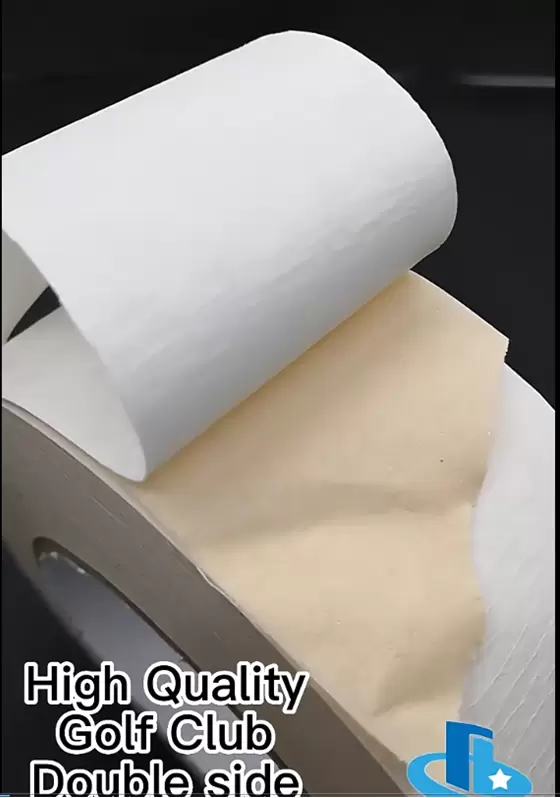
Industrial Grade VHB Tape (Very High Bond tape) is a type of double-sided adhesive tape designed to create a permanent and robust bond between various materials. Unlike traditional tapes that rely on surface adhesion, VHB tape forms a strong molecular bond with substrates, providing superior load-bearing capacity. This makes it an ideal choice for applications where mechanical fasteners such as screws or rivets might be impractical or less aesthetically pleasing.
Manufacturers like Xingda New Material produce industrial Grade VHB Tape to meet stringent industry standards. Their tapes are designed for high-performance applications and can withstand extreme temperatures, UV exposure, and chemical contact. Whether bonding metals, plastics, glass, or composites, industrial Grade VHB Tape ensures structural integrity without compromising design aesthetics.
Composition and Structure
The effectiveness of industrial Grade VHB Tape lies in its unique composition. Typically, these tapes are made from high-quality acrylic foam cores sandwiched between strong adhesive layers. The foam core provides both elasticity and structural support, allowing the tape to absorb stress, vibration, and thermal expansion differences between bonded surfaces.
The adhesive layers in industrial Grade VHB Tape are engineered to achieve immediate tack, strong shear strength, and long-term durability. Unlike traditional adhesives, which may degrade over time or require curing, VHB tapes maintain their bonding capabilities for years, even under harsh industrial conditions. Xingda New Material ensures that each batch of industrial Grade VHB Tape meets exacting quality standards, providing consistency and reliability for industrial applications.
Advantages of Industrial Grade VHB Tape
1. Superior Bonding Strength
Industrial Grade VHB Tape is renowned for its exceptional bonding strength. It can adhere to a wide variety of materials, including metals, plastics, composites, and glass. The molecular-level adhesion ensures that surfaces remain bonded even under heavy loads or dynamic stress conditions. This strength eliminates the need for traditional mechanical fasteners, reducing assembly complexity and potential points of failure.
2. Enhanced Aesthetic Design
Unlike screws, bolts, or rivets, industrial Grade VHB Tape offers a clean, smooth finish. This allows designers and engineers to create aesthetically pleasing products without visible fasteners. For example, automotive manufacturers use industrial Grade VHB Tape to attach trim, panels, and emblems, maintaining sleek designs without compromising structural integrity.
3. Vibration and Noise Dampening
The foam core in industrial Grade VHB Tape acts as a cushion, absorbing vibrations and reducing noise. In sectors such as automotive and electronics, this property is particularly valuable, as it enhances the longevity of components and improves user experience by minimizing rattling or buzzing.
4. Resistance to Environmental Factors
Industrial Grade VHB Tape is designed to endure extreme conditions. It resists UV exposure, moisture, chemicals, and temperature fluctuations, making it suitable for outdoor and industrial environments. This durability ensures that bonded surfaces remain intact, even in challenging applications like construction, aerospace, or outdoor signage.
5. Simplified Assembly Processes
Using industrial Grade VHB Tape simplifies assembly, reducing the need for drilling, welding, or mechanical fasteners. This not only lowers labor costs but also minimizes the risk of damaging sensitive materials. In high-volume manufacturing, the use of VHB tape can significantly streamline production workflows, improving efficiency and reducing errors.
Industrial Applications of VHB Tape
The versatility of industrial Grade VHB Tape has made it indispensable across multiple industries. Below, we explore some of the most prominent applications:
Automotive Industry
In automotive manufacturing, industrial Grade VHB Tape is used for bonding exterior panels, trims, and emblems. Its ability to withstand temperature extremes and resist vibration makes it an ideal replacement for welding or mechanical fasteners. Additionally, the tape’s clean aesthetic finish contributes to modern vehicle designs, eliminating visible screws or weld marks.
Electronics Assembly
Industrial Grade VHB Tape plays a critical role in electronics manufacturing. From smartphones to wearable devices, the tape provides secure bonding for screens, touch panels, and internal components. Its thin profile and strong adhesion ensure that devices remain compact while offering reliable structural support.
Construction and Architecture
The construction industry benefits from industrial Grade VHB Tape for both structural and decorative purposes. It is used for mounting glass panels, signage, and decorative facades, providing strong adhesion without the need for drilling or heavy fasteners. The tape’s resistance to moisture, UV, and temperature changes makes it particularly suitable for outdoor installations.
Aerospace and Transportation
In aerospace applications, reliability and weight reduction are critical. Industrial Grade VHB Tape contributes by reducing the need for rivets and mechanical fasteners, thereby lowering overall weight while maintaining structural integrity. It is used for bonding panels, insulation, and interior components, delivering long-term performance under extreme conditions.
General Manufacturing
Across general manufacturing sectors, industrial Grade VHB Tape provides flexibility and efficiency. From appliance assembly to furniture production, the tape offers a reliable solution for bonding diverse materials while simplifying production processes.
How to Select the Right Industrial Grade VHB Tape
Selecting the appropriate industrial Grade VHB Tape depends on several factors, including substrate material, environmental conditions, load requirements, and aesthetic considerations. Here are key points to consider:
Material Compatibility: Ensure the tape is suitable for the materials being bonded, whether metals, plastics, or composites.
Load and Stress Requirements: Choose a tape with sufficient shear strength and load-bearing capacity for the application.
Environmental Exposure: Consider temperature, humidity, UV exposure, and chemical contact to ensure long-term durability.
Thickness and Flexibility: The foam core thickness impacts stress absorption and bonding performance, especially on irregular surfaces.
Manufacturer Quality: Partnering with a reputable supplier like Xingda New Material ensures consistency, reliability, and compliance with industry standards.
Installation Best Practices
Proper installation is critical for maximizing the performance of industrial Grade VHB Tape. Below are recommended steps:
Surface Preparation: Clean surfaces thoroughly to remove dust, oils, and other contaminants. Alcohol-based cleaners are often recommended.
Temperature Considerations: Apply the tape at room temperature or within manufacturer-specified temperature ranges to ensure optimal adhesion.
Pressure Application: Apply firm pressure to the tape after positioning to activate adhesive bonding.
Curing Time: While VHB tape offers instant tack, full bonding strength develops over time, typically 72 hours, depending on the application.
Avoid Stretching: Avoid stretching the tape during application, as this can compromise adhesion and lead to premature failure.
Case Studies: Industrial Grade VHB Tape in Action
Automotive Panel Bonding
A major automotive manufacturer replaced traditional rivets with industrial Grade VHB Tape for exterior panel bonding. The result was a cleaner aesthetic, reduced production time, and enhanced vehicle performance by eliminating vibration-induced wear.
Electronics Assembly
A leading electronics company used industrial Grade VHB Tape to assemble smartphone screens. The tape provided strong adhesion, shock absorption, and vibration resistance, reducing returns and increasing product durability.
Outdoor Signage Installation
Construction contractors utilized industrial Grade VHB Tape to install glass signage panels. The tape’s resistance to moisture, UV, and temperature fluctuations ensured that signage remained securely in place without the need for mechanical anchors.
Environmental and Safety Considerations
Industrial Grade VHB Tape offers an environmentally friendly alternative to mechanical fasteners, welding, or liquid adhesives. Its application produces minimal waste, and the elimination of drilling or welding reduces energy consumption during assembly. Moreover, VHB tape reduces the need for volatile organic compounds (VOCs) associated with traditional adhesives, contributing to safer workplaces and eco-conscious manufacturing processes.
Innovations and Future Trends
The demand for industrial Grade VHB Tape continues to grow as industries seek stronger, lighter, and more versatile bonding solutions. Manufacturers are innovating to produce tapes with higher temperature resistance, improved chemical tolerance, and enhanced flexibility. Research is also focused on developing tapes suitable for new materials like carbon fiber composites and advanced polymers.
Additionally, the trend toward automation in manufacturing drives the need for tapes that can be applied by robotic systems without compromising adhesion or consistency. Xingda New Material invests in research and development to ensure its industrial Grade VHB Tape meets these evolving requirements, making it a future-ready solution for industrial bonding needs.
Conclusion
Industrial Grade VHB Tape has revolutionized the way industries approach bonding and assembly. Its superior strength, aesthetic advantages, vibration damping, and environmental resistance make it a versatile and indispensable tool across automotive, electronics, construction, aerospace, and general manufacturing sectors.
By partnering with a trusted supplier like Xingda New Material, companies gain access to high-quality industrial Grade VHB Tape that meets the highest standards of performance and reliability. As industries continue to evolve, the role of VHB tape in simplifying assembly, enhancing product design, and improving efficiency will only grow, cementing its position as a cornerstone of modern industrial manufacturing.