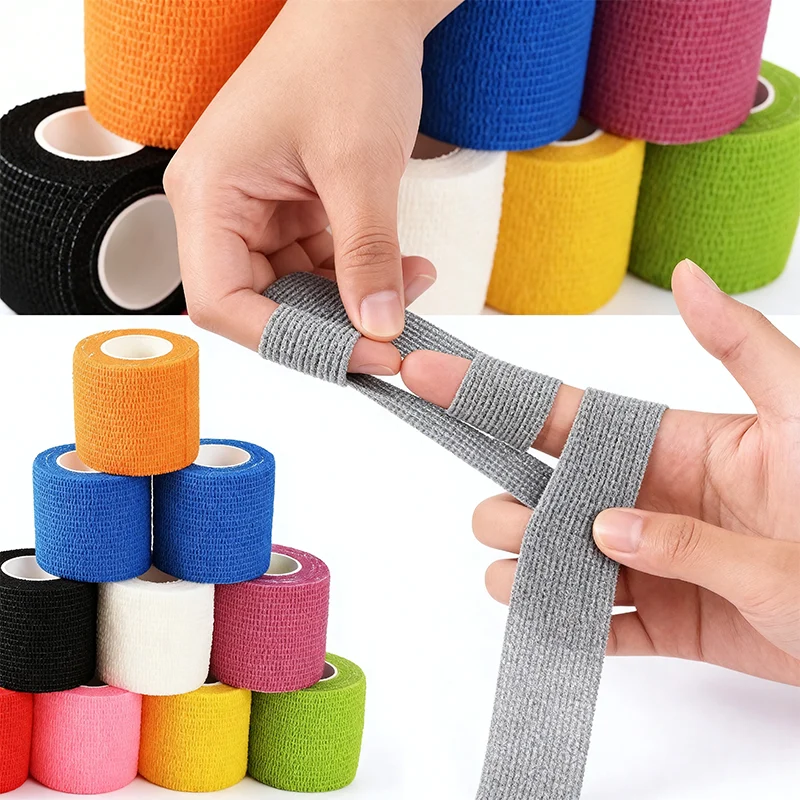
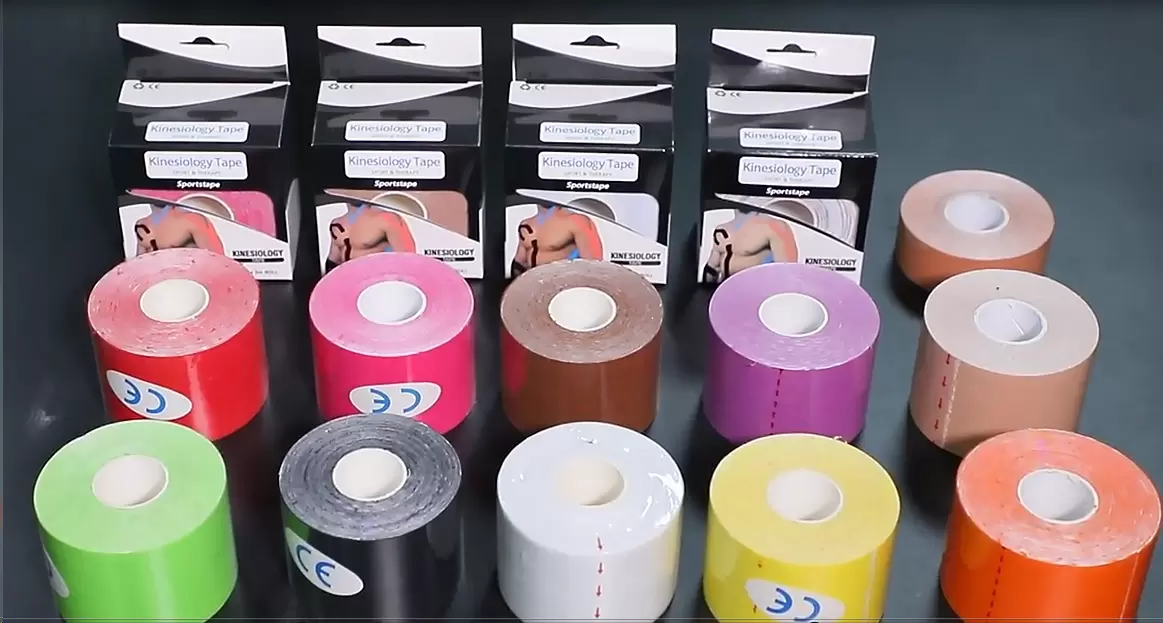
The beauty and sports tape market has expanded beyond traditional athletic support products. Consumers are increasingly interested in body-contouring accessories, workout-related beauty products, and temporary solutions that can improve the appearance of specific body areas without requiring complicated routines. This shift has created a growing product category around body shaping tape, including products designed for the visual enhancement of the hips and buttocks.
For distributors, beauty brands, sports retailers, fitness companies, and e-commerce businesses, peach butt shaping tape represents a product opportunity that sits between beauty accessories, body-care products, and functional adhesive tapes. However, developing or sourcing this type of tape requires more than simply choosing a strong adhesive and cutting it into a suitable shape. Material selection, skin comfort, stretch characteristics, adhesive performance, application instructions, packaging, and quality control all influence the commercial value of the finished product.
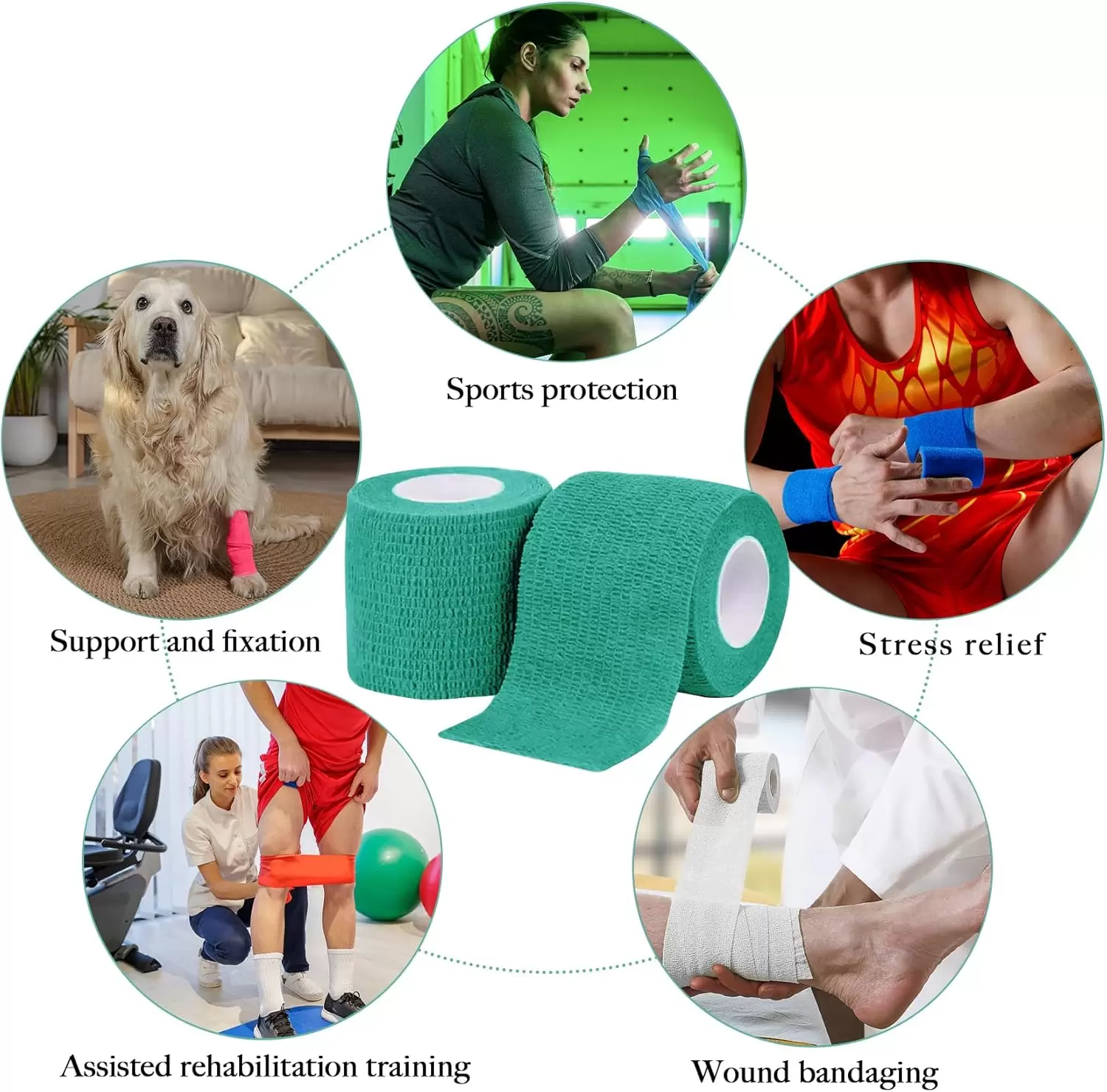
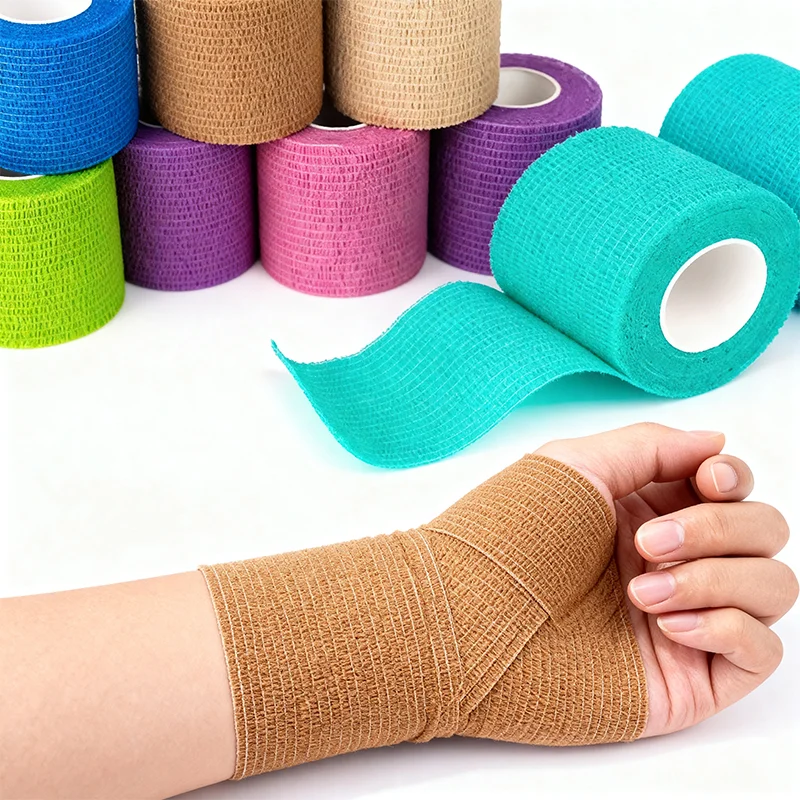
Dongguan Xingda New Material Technology Co., Ltd., operating under the brand name Xingda New Material, develops and supplies a broad range of adhesive tape products, including kinesiology tape, sports tape, athletic tape, sport bandage, cloth-based adhesive tape, duct tape, double-sided adhesive tape, kraft paper adhesive tape, golf grip tape, and customized specialty tapes. Its experience across different adhesive materials provides a practical foundation for developing tapes for emerging applications such as body shaping and cosmetic positioning.
This article explains what buyers should consider when evaluating peach butt shaping tape, how the product works from a material and application perspective, what specifications matter in B2B procurement, and how brands can build a reliable product line around this category.
What Is Peach Butt Shaping Tape?
Peach butt shaping tape is an adhesive body tape designed to temporarily improve the visual contour of the buttocks and surrounding hip area. It is generally applied directly to the skin and positioned in a way that creates a more lifted, supported, or contoured appearance under clothing.
The term "peach" typically refers to the rounded, lifted silhouette that many consumers associate with a peach-shaped buttocks profile. Unlike conventional athletic tape, which is primarily associated with sports support, this type of tape is positioned more strongly toward appearance enhancement and body styling.
From a B2B product perspective, peach butt shaping tape can be developed in several forms:
Pre-cut contour strips
Long rolls for customized application
Pre-shaped lifting patches
Multi-piece shaping kits
Reusable or single-use positioning accessories, depending on the product design
Customized branded tape sets
Different widths and lengths for different body sizes
Different colors and finishes for specific clothing or skin-tone preferences
The exact construction depends on the intended market. A product sold through a beauty retailer may prioritize skin feel, discreet appearance, and packaging. A product sold through a fitness channel may emphasize flexibility, sweat resistance, and secure adhesion during movement.
This distinction is important for buyers. There is no universal tape specification that works equally well for every application. The appropriate construction should be based on the expected wearing environment, application method, target customer, and positioning of the product.
Why Is This Product Category Relevant to B2B Buyers?
For wholesalers and brands, the attractiveness of body shaping tape is partly related to its relatively simple product structure. Compared with complex beauty devices or electronic products, adhesive tape can be developed with fewer components while still offering opportunities for customization.
A tape product can be differentiated through several variables:
Base material
Adhesive system
Stretchability
Thickness
Width and length
Pre-cut geometry
Backing color
Release liner
Packaging
Printing and branding
Application instructions
Roll configuration
This gives distributors considerable flexibility when creating private-label product lines.
For example, one brand may want a discreet nude-colored tape designed for use under fitted clothing. Another may prefer a stronger-looking sports-style product aimed at fitness customers. A third company may want individually packaged pieces for beauty salons or professional styling services.
The same underlying tape technology can therefore support multiple commercial formats.
For B2B buyers, this flexibility can be more valuable than simply purchasing a standard product. A supplier capable of adjusting adhesive performance, material construction, dimensions, packaging, and other specifications can help a buyer build a product that fits its target market instead of forcing the brand to adapt to an inflexible standard item.
How Does Body Shaping Tape Create a Lifted Appearance?
The visual effect of shaping tape depends mainly on how the tape is positioned and how tension is applied during installation.
When elastic or flexible adhesive material is applied to the skin and pulled in a controlled direction, it can create a temporary mechanical positioning effect. The tape itself does not permanently reshape the body. Instead, it acts as an external adhesive support that can help position soft tissue and create a different surface contour while worn.
For this reason, application technique is a major part of product performance.
A typical application concept involves:
Cleaning and drying the skin
Preparing the tape according to the desired shape
Positioning the lower section of the tape securely
Applying controlled upward tension
Pressing the adhesive surface onto the skin
Smoothing the tape to reduce wrinkles and air pockets
Checking the edges for secure adhesion
The amount and direction of tension should be appropriate for the tape construction. Excessive tension can reduce comfort, create unnecessary skin stress, or make removal more difficult. Insufficient tension may produce little visible shaping effect.
This is why product development should not focus only on adhesive strength. A tape that adheres extremely strongly but cannot be applied comfortably may create a poor user experience.
Material Selection Is One of the Most Important Decisions
The backing material determines much of the physical behavior of the tape.
For body shaping applications, buyers should consider flexibility, elongation, conformability, thickness, surface feel, and resistance to deformation.
Common tape backing concepts include elastic textile materials and other flexible substrates. Textile-based materials can offer a combination of softness, stretch, and breathability, while different synthetic materials may provide more consistent dimensional properties or specific surface characteristics.
The right material depends on the intended use.
For a beauty-focused shaping tape, softness and skin comfort may receive greater priority. For a product intended to remain in place during exercise, flexibility and resistance to sweat may become more important. A product intended for occasional short-term use may have a different specification from a tape designed for extended wear.
B2B buyers should therefore avoid asking only, "How strong is the tape?"
A better technical discussion includes:
What is the backing material?
What is the elongation range?
How does the material recover after stretching?
How does the adhesive behave under movement?
What is the tape thickness?
How does the surface feel against clothing?
How easily can the tape follow body contours?
Does the tape maintain its shape during use?
How does the material behave under warm and humid conditions?
These questions provide a more complete picture of product suitability.
Adhesive Performance Must Balance Hold and Comfort
Adhesive formulation is another critical factor.
A shaping tape needs enough adhesion to remain securely positioned during normal movement, yet it should not be designed around maximum adhesion alone. Excessive adhesive strength can negatively affect removal and skin comfort.
For a skin-contact product, the adhesive system should be selected according to the intended application conditions and appropriate product testing. Factors such as temperature, humidity, sweat, skin oils, movement, and wearing time can all affect adhesion.
There are several performance characteristics buyers should evaluate:
Initial Tack
Initial tack describes how quickly the adhesive establishes contact with the skin. A product with appropriate initial tack can be positioned without requiring excessive pressure.
Holding Power
Holding power indicates how well the tape remains attached after application. This becomes particularly important when the user walks, exercises, bends, or changes clothing.
Peel Behavior
Peel performance affects removal. A tape that remains firmly attached but releases in a controlled manner can offer a better overall user experience than one that either falls off too easily or becomes unnecessarily difficult to remove.
Adhesive Residue
Residue can affect the consumer's perception of product quality. Excessive adhesive transfer can create additional cleaning requirements and may be particularly undesirable for cosmetic products.
Skin Compatibility
Because the product is intended for direct skin contact, appropriate material and adhesive evaluation is essential. Buyers should establish suitable testing requirements for their target market rather than assuming that a general-purpose adhesive tape is automatically appropriate for cosmetic use.
Stretchability Matters More Than Maximum Adhesion
One common mistake in tape sourcing is to treat adhesive strength as the primary performance indicator.
For shaping applications, stretch behavior can be equally important.
The tape needs to conform to a curved body surface rather than behave like a rigid strip. If the backing cannot follow movement, it may wrinkle, lift at the edges, or become uncomfortable.
At the same time, excessive elasticity may make controlled application difficult. If the material stretches too easily, consumers may have trouble reproducing consistent application tension.
A well-designed product therefore needs a controlled balance between:
Stretchability + recovery + conformability + adhesive stability
These properties work together.
For example, a tape may have good elongation but poor recovery. In that case, it may stretch during application but gradually lose its intended positioning characteristics. Another tape may have excellent recovery but insufficient flexibility, resulting in uncomfortable tension or edge lifting.
For B2B development, these properties should be evaluated as a complete system rather than separately.
Shape and Cutting Design Can Improve User Experience
The geometry of the tape can make a major difference in how easy it is to apply.
Traditional rolls provide flexibility because users can cut the material according to their own needs. However, pre-cut pieces can reduce application difficulty for consumers who are unfamiliar with body tape.
Pre-cut shaping pieces may include:
Tapered ends
Rounded corners
Wider central sections
Narrower attachment sections
Symmetrical left and right pieces
Multi-strip application sets
Rounded corners can help reduce the likelihood of edge catching against clothing. Tapered ends can make contour application easier. Wider sections can distribute contact across a larger area.
For a B2B brand, pre-cut shapes can also create stronger product differentiation. Instead of selling a generic tape roll, the brand can offer a complete shaping system with clear instructions.
This can make the product easier to understand on e-commerce product pages and easier for retailers to demonstrate.
Skin Comfort Should Be Treated as a Core Product Specification
Consumers generally have a low tolerance for uncomfortable beauty accessories.
A product can achieve its intended visual effect and still receive poor reviews if users experience excessive pulling, itching, residue, or difficulty during removal.
Therefore, skin comfort should be considered during product development rather than treated as a secondary issue.
Important factors include:
Packaging should also include clear instructions concerning skin preparation and removal.
For example, consumers should generally be advised to apply tape to clean, dry skin and avoid applying it to damaged or irritated areas. Brands should also provide appropriate guidance for users who may be sensitive to adhesives.
For B2B buyers, these instructions are not merely marketing content. They are part of the overall product experience and can help reduce inappropriate use.
Peach Butt Shaping Tape vs. Kinesiology Tape
Because both products may use elastic textile materials and skin-friendly adhesive systems, buyers sometimes assume that kinesiology tape and peach butt shaping tape are interchangeable.
They are not necessarily the same product.
Kinesiology tape is generally developed around movement, flexibility, and sports-related applications. Its product specifications are influenced by athletic use and the need to conform to moving body areas.
Peach butt shaping tape, by comparison, is primarily positioned around temporary body contouring and appearance enhancement.
There may be similarities in material technology, but the product design, cutting geometry, packaging, instructions, and marketing position can be different.
For a company entering the body shaping category, using a generic sports tape without adapting the application design may result in a product that technically adheres to skin but does not deliver the intended consumer experience.
This is one area where a supplier with experience in both sports tape and specialty adhesive tape can be valuable.
Application Instructions Are Part of the Product
A shaping tape product should not rely on the adhesive alone.
Clear application instructions can significantly affect the user's results.
A basic consumer instruction set may include the following process:
Step 1: Prepare the Skin
The application area should be clean and dry. Oils, lotions, sweat, and other substances can reduce adhesive contact.
Step 2: Plan the Tape Position
Before removing the release liner, users should identify where the tape will be positioned. This is particularly useful when applying multiple pieces.
Step 3: Apply the Base
The first section should be placed securely without unnecessary stretching. This creates a stable anchor for the rest of the tape.
Step 4: Apply Controlled Tension
The remaining tape can then be positioned in the intended lifting direction using controlled tension according to the product instructions.
Step 5: Smooth the Surface
The tape should be pressed down smoothly to improve contact and minimize wrinkles.
Step 6: Check the Edges
Edges should be firmly attached without excessive folds. If an edge begins to lift, the user should avoid repeatedly pressing a contaminated adhesive surface back onto the skin.
For commercial products, instructions should be written in simple language and supported by diagrams or application illustrations where appropriate.
Why Release Liner Design Matters
The release liner is easy to overlook because it is removed before application. However, it can have a direct impact on usability.
A well-designed liner should allow the user to remove the backing without accidentally stretching or folding the tape.
For pre-cut products, the liner can also help maintain the shape of each piece during packaging and transportation.
Potential liner considerations include:
Release force
Thickness
Cutting compatibility
Printability
Die-cut performance
Moisture resistance
Ease of peeling
If the release liner is difficult to separate, the user may stretch the tape unintentionally before application. This can make consistent application more difficult.
For large-volume B2B projects, packaging and liner design should therefore be evaluated together with the adhesive and backing material.
Packaging Options for Different Sales Channels
Packaging requirements vary significantly depending on the sales channel.
For e-commerce brands, compact retail packaging can help control shipping costs and create a stronger product presentation. Individual pouches or small boxes can also help organize pre-cut pieces.
For beauty salons or professional users, multi-piece packs may be more practical. These users may prefer bulk packaging that reduces the cost per application.
For distributors, larger cartons with standardized inner packaging can simplify inventory management.
Possible packaging formats include:
A B2B supplier should be able to discuss packaging at the development stage rather than treating it as an afterthought.
Customization Opportunities for Private-Label Brands
The body shaping tape category is well suited to customization.
A brand can differentiate its product through both physical specifications and presentation.
Potential customization areas include:
Tape dimensions: Different lengths and widths can be developed for different applications.
Tape shape: Pre-cut patterns can be designed around the intended application method.
Backing color: Neutral shades may be preferred for discreet use, while branded colors can support stronger visual identity.
Adhesive characteristics: Different performance targets can be evaluated according to the intended wearing environment.
Packaging: Custom boxes, pouches, labels, instructions, and inserts can create a complete branded product.
Product combinations: A shaping kit may include multiple tape pieces, application instructions, storage components, or complementary accessories.
For B2B companies, customization can be particularly useful because it reduces direct price comparison with generic products. A differentiated specification gives distributors more room to build a distinct market position.
What Should Buyers Ask a Tape Supplier?
Before placing a large order, procurement teams should establish a clear technical specification.
A useful supplier questionnaire can include:
What backing material is used?
What is the tape thickness?
What is the elongation range?
What adhesive system is used?
What are the recommended application conditions?
What is the recommended wearing duration?
How should the tape be removed?
What packaging formats are available?
Can the tape be die-cut into custom shapes?
Can dimensions be customized?
Can colors be customized?
Can packaging be customized?
What quality control procedures are used?
What production capacity is available?
What sample development process is offered?
What documentation can be provided for the target market?
These questions can help buyers distinguish between a supplier that simply resells standard adhesive tape and a company that has the technical capability to support product development.
Why Production Capability Matters for B2B Orders
A successful B2B tape supplier needs more than a good sample.
The product must be produced consistently from batch to batch.
For adhesive products, consistency can be affected by raw materials, coating conditions, curing, slitting, die cutting, storage, and packaging.
A product that performs well in a sample evaluation but changes significantly during mass production can create serious problems for a brand.
Important production considerations include:
For buyers building a long-term product line, production stability can be more important than a small difference in the initial sample price.
Quality Control for Body Shaping Tape
Quality control should cover both the adhesive and the physical tape.
Typical inspection areas can include:
Appearance
The tape should have a consistent surface without obvious defects, contamination, wrinkles, or coating irregularities.
Dimensions
Width, length, and die-cut geometry should remain within agreed tolerances.
Adhesion
The adhesive should provide consistent performance under defined test conditions.
Tensile and Stretch Properties
The backing should meet the agreed elongation and mechanical requirements.
Release Liner
The liner should separate consistently without damaging the adhesive or tape.
Packaging
Labels, quantity, sealing, and product identification should match the approved specification.
For customized products, buyers should establish acceptance criteria before mass production begins. This reduces disputes and gives both parties a clear technical reference.
Storage and Transportation Considerations
Adhesive tape is sensitive to environmental conditions, so storage should be considered from the beginning of a supply project.
Temperature, humidity, direct sunlight, and long-term storage conditions can affect adhesive performance and material stability.
Products should be stored according to the supplier's recommended conditions and packaging requirements.
For international B2B shipments, packaging also needs to withstand handling, stacking, and transportation.
This is particularly important for products sold in individual pouches or retail boxes. Damaged packaging can affect customer perception even when the tape itself remains functional.
A reliable supplier should be able to provide appropriate storage recommendations based on the actual tape construction.
How Brands Can Position the Product Responsibly
Body shaping products require careful product communication.
Consumers may interpret words such as "lift," "shape," or "contour" differently. A responsible product description should clearly explain that the tape provides a temporary appearance effect while worn.
Avoid presenting adhesive body tape as a permanent body modification solution.
Similarly, product content should distinguish cosmetic positioning from medical treatment. Unless a product has been specifically developed, tested, and legally cleared for a medical application, it should not be marketed as a medical device or used to support unverified therapeutic claims.
For B2B brands, clear communication protects both consumer trust and long-term brand reputation.
Practical wording can focus on:
This approach keeps the product proposition realistic and understandable.
Potential Applications for Peach Butt Shaping Tape
The market does not have to be limited to one consumer scenario.
Depending on the final design, peach butt shaping tape may be positioned for different occasions.
Fitness and Gym Use
Some consumers may want a more defined appearance during fitness activities or photoshoots. In this segment, sweat resistance and movement compatibility become important product considerations.
Dance and Performance
Performers may need temporary body positioning solutions that remain discreet under costumes. Secure adhesion and flexible movement are particularly relevant.
Photography and Content Creation
Photo and video creators may use body styling accessories when preparing for shoots. In this case, discreet color, smooth application, and predictable results are important.
Special Events
Consumers may use shaping accessories before parties, weddings, performances, or other occasions where fitted clothing is worn.
Beauty and Personal Care Retail
Beauty retailers can introduce body shaping tape as part of a broader body styling product range.
E-Commerce
Online brands can create shaping tape kits with detailed application instructions and educational content, helping consumers understand the product before purchase.
Each application has different priorities, which means B2B buyers should define the target customer before finalizing the tape specification.
Common Product Development Mistakes
Several mistakes occur repeatedly when companies enter the adhesive body tape market.
Choosing Adhesive Strength Without Considering Removal
Strong adhesion may sound attractive, but a body tape is also judged by how comfortably it can be removed.
Using a Generic Tape Without Application Optimization
A general elastic tape may not provide the best geometry or user experience for body contouring.
Ignoring Sweat and Movement
A product designed only under dry laboratory conditions may perform differently during actual wear.
Making the Tape Too Thick
A thick tape may be easier to handle but can become more visible under clothing.
Making the Tape Too Thin
An extremely thin material may be difficult to apply and may lack sufficient mechanical stability.
Providing Poor Instructions
Even a well-designed tape can receive poor feedback if users do not understand how to apply it.
Treating Packaging as an Afterthought
Retail packaging is part of the product experience, particularly for beauty and e-commerce brands.
Focusing Only on Unit Cost
The lowest initial unit cost does not always produce the lowest total commercial cost. Defects, returns, inconsistent batches, packaging failures, and customer complaints can increase the actual cost of ownership.
How to Evaluate Samples Before Mass Production
Sampling should be structured rather than based solely on a quick visual inspection.
A buyer can evaluate samples through several stages.
Stage One: Physical Inspection
Check dimensions, material feel, surface quality, liner, cutting quality, and packaging.
Stage Two: Application Test
Apply the tape according to the proposed instructions and evaluate handling, stretch, adhesion, and conformability.
Stage Three: Movement Test
Walk, sit, bend, and perform other normal movements relevant to the target application.
Stage Four: Clothing Test
Evaluate how the tape interacts with the intended clothing. Check whether edges are visible, whether the tape catches on fabric, and whether the product remains positioned.
Stage Five: Removal Test
Assess how the tape releases from the skin and whether excessive adhesive residue remains.
Stage Six: Packaging and Transport Evaluation
For commercial samples, evaluate whether the package remains intact after normal handling and transportation.
This systematic process provides much more useful information than simply asking whether the tape "sticks well."
The Role of Custom Adhesive Tape Development
Body shaping tape is only one example of how adhesive tape technology can be adapted to specialized markets.
A supplier with broader adhesive tape capabilities can potentially support development across several related categories.
For example, a buyer may initially launch a shaping tape and later expand into:
Kinesiology tape
Sports tape
Athletic support tape
Body contouring tape
Double-sided garment tape
Cosmetic positioning tape
Specialty textile adhesive tape
Customized adhesive strips
This can simplify supply chain management because multiple products may be developed through one established supplier relationship.
For brands, working with a supplier familiar with different adhesive substrates and coating processes can also make future product development more efficient.
Why Xingda New Material Is Relevant to This Product Category
Dongguan Xingda New Material Technology Co., Ltd. operates across research and development, production, and sales of adhesive tape products. Its portfolio covers sports tape, kinesiology tape, athletic tape, sport bandage, duct tape, cloth-based adhesive tape, fiber mesh double-sided adhesive tape, kraft paper adhesive tape, golf grip double-sided adhesive tape, and customized specialty adhesive tapes.
This range is relevant because body shaping tape requires a combination of material selection, adhesive control, flexible backing, converting, and application-oriented product design.
Xingda New Material also maintains an independent production chain and focuses on customized solutions for different customer requirements. For B2B buyers, this means discussions can extend beyond a standard catalog product to areas such as dimensions, material construction, adhesive characteristics, cutting patterns, packaging, and application requirements.
The company's location in Dongguan, Guangdong provides access to a mature manufacturing and logistics environment, supporting both domestic and international order fulfillment.
For buyers developing a branded peach butt shaping tape product, the supplier relationship can therefore be approached as a product-development project rather than a simple commodity purchase.
Building a Product Specification Before Requesting a Quote
A clear technical brief can make the sourcing process much more efficient.
Instead of sending only the product name, buyers should provide as much information as possible.
A basic specification can include:
Product type: Body shaping adhesive tape
Application: Temporary buttocks and hip contour enhancement
Target market: Beauty, fitness, e-commerce, retail, professional styling, or other defined channels
Backing: Preferred material or requested material characteristics
Adhesive: Skin-contact adhesive suitable for the intended application
Color: Specify desired color or provide a reference sample
Dimensions: Roll width, roll length, or pre-cut dimensions
Shape: Standard strips or custom die-cut geometry
Packaging: Roll, pouch, box, kit, or bulk format
Branding: Logo, label, printed packaging, instructions
Performance: Desired adhesion, stretchability, conformability, and wearing environment
Testing: Required quality or market-specific testing
The more complete the brief, the easier it is for the supplier to recommend a suitable construction.
What Makes a Good B2B Product Page?
For brands and distributors selling this category online, the product page should answer practical questions rather than relying on exaggerated claims.
A useful product page should explain:
What the tape is
What it is designed for
How it is applied
What material it uses
How it should be stored
How it should be removed
What sizes are available
Whether customization is possible
What packaging formats are offered
What the product should and should not be used for
High-quality product photography is also important. Images can show the tape's dimensions, texture, packaging, application concept, and finished appearance.
For B2B customers, technical information should be available alongside consumer-facing descriptions. Distributors may need specifications that are not necessary for retail shoppers.
Why Application Consistency Matters for Repeat Purchases
Repeat purchases are particularly important in the adhesive body tape category.
If consumers can achieve a similar result every time they use the product, they are more likely to trust the brand.
Consistency depends on several factors:
This means quality control is not just about preventing defective products. It directly influences whether a consumer can reproduce the intended application.
For B2B buyers, consistent manufacturing should therefore be viewed as part of the product's commercial value.
Scaling From Samples to Commercial Orders
Once a sample has been approved, the next challenge is scaling.
The production specification should be frozen before mass production wherever possible. Changes to backing materials, adhesive formulations, dimensions, or cutting patterns should be documented and approved.
A practical B2B workflow may look like this:
Product brief → Material recommendation → Sample development → Application evaluation → Specification confirmation → Packaging approval → Pilot production → Quality inspection → Mass production → Shipment
This process creates checkpoints before large quantities are produced.
For customized products, pilot production can be particularly useful because it allows the buyer to evaluate actual production conditions instead of relying entirely on laboratory samples.
Creating a Long-Term Specialty Tape Product Line
A body shaping tape can also serve as the starting point for a broader specialty adhesive portfolio.
Once a brand understands its customers, it may identify related needs around body styling, sports, beauty, and garment accessories.
For example, a product line could include:
Body contouring tape
Breast lifting tape
Clothing positioning tape
Double-sided garment tape
Sports support tape
Kinesiology tape
Athletic tape
Specialized skin-contact adhesive strips
The advantage of this approach is that the brand can build a consistent identity around functional adhesive solutions instead of relying on a single product.
For suppliers, it also creates opportunities for ongoing development and repeat orders.
Practical Questions B2B Buyers Should Ask Before Launch
Before commercializing a new body shaping tape, buyers should answer several questions internally.
Who is the target customer?
A fitness customer may have different expectations from a beauty shopper.
How long is the expected wearing period?
The adhesive and material specification should match the intended duration.
Will users sweat or move extensively?
If yes, the product needs to be evaluated under those conditions.
Will the tape be visible?
If the product is intended for use under fitted clothing, color and thickness become more important.
Will customers apply the tape themselves?
If yes, pre-cut shapes and clear instructions may be valuable.
Will professional users apply it?
If yes, bulk packaging and flexible dimensions may be more useful.
Does the target market require specific documentation or testing?
Requirements vary by country, market, and intended product claims.
What is the expected annual volume?
This can influence packaging, production planning, and customization decisions.
Answering these questions early can prevent unnecessary product revisions later.
A Practical Approach to Sourcing Peach Butt Shaping Tape
Sourcing should begin with the application rather than the product name.
The term "peach butt shaping tape" describes the market concept, but it does not define the technical construction.
A professional sourcing process should therefore move through several steps.
First, define the desired visual and functional result.
Second, identify the target user and wearing environment.
Third, determine the required backing characteristics.
Fourth, establish the adhesive performance requirements.
Fifth, develop the appropriate shape and dimensions.
Sixth, select packaging and branding.
Seventh, conduct sample testing.
Finally, establish the mass-production specification and quality acceptance criteria.
This approach reduces the risk of selecting a tape that looks suitable in a catalog but does not perform well in real-world use.
Conclusion
Peach butt shaping tape is a specialized adhesive product that combines flexible backing materials, skin-contact adhesive technology, application design, and cosmetic positioning. Its commercial potential comes from its relatively simple product structure and the wide range of customization opportunities available to brands, distributors, and retailers.
However, successful product development depends on more than adhesive strength. Buyers need to evaluate stretchability, conformability, skin comfort, adhesion stability, tape geometry, release liner performance, packaging, quality control, and application instructions as one integrated system.
For B2B buyers, the most effective sourcing strategy is to define the target application first and then work with a supplier capable of translating those requirements into a consistent tape specification.
Xingda New Material provides experience across sports tape, kinesiology tape, athletic tape, sport bandage, cloth-based adhesive tape, double-sided adhesive tape, and customized specialty adhesive products. This broader adhesive tape experience can support companies looking to develop specialized body shaping products rather than relying on a generic standard tape.
Whether the goal is to launch a new beauty accessory, expand an existing sports product portfolio, or develop a private-label body contouring product, a detailed technical specification and structured sampling process provide the foundation for a reliable B2B supply relationship.
The strongest products in this category are not necessarily those with the most aggressive claims. They are the ones that are easy to understand, practical to apply, comfortable enough for the intended use, consistent from batch to batch, and supported by a supply chain capable of meeting the brand's commercial requirements. For companies entering the market, that combination of product design, adhesive technology, quality control, and customization is what turns a simple tape product into a viable commercial solution.