For sports brands, rehabilitation product distributors, physiotherapy clinics, online sellers, and wholesale buyers, kinesiology tape is a product where small details matter. At first glance, many tapes look similar: elastic fabric, adhesive backing, bright colors, and standard roll sizes. But once the tape is applied to skin during training, therapy, sweating, or daily movement, the difference between an average product and a reliable product becomes clear.
One of the most important features buyers ask for today is breathability. A breathable kinesiology tape can help improve wearing comfort, reduce the feeling of trapped heat, and support longer use during sports or rehabilitation. For B2B buyers placing large-volume orders, choosing the right breathable kinesiology tape supplier bulk partner is not just about price. It is about stable quality, repeatable production, private label options, packaging support, and reliable delivery.
This guide explains what to check before ordering breathable kinesiology tape in bulk, how to compare suppliers, and what details should be confirmed before mass production.
Why Breathability Matters in Kinesiology Tape
Kinesiology tape is usually applied directly to the skin. It may stay on the body for several hours or even several days depending on the product type, skin condition, activity level, and application method. During that time, the user may sweat, stretch, shower, exercise, or wear the tape under clothing.
If the tape is not breathable enough, users may feel discomfort. The skin may feel hot, damp, itchy, or restricted. In some cases, poor breathability may lead to early removal, negative reviews, or fewer repeat purchases.
For business buyers, comfort is not a small issue. A product that feels good on the skin is easier to sell again. Sports retailers, physiotherapy suppliers, gyms, clinics, and e-commerce brands all rely on user experience. If customers feel that the tape is comfortable during running, gym training, yoga, cycling, football, basketball, tennis, or rehabilitation exercise, they are more likely to trust the brand.
When sourcing from a breathable kinesiology tape supplier bulk buyers should ask how the tape achieves breathability. Is it related to the fabric structure? The adhesive pattern? The coating method? A professional manufacturer should be able to explain these points clearly.
What Makes Kinesiology Tape Breathable?
Breathability depends on several factors working together. It is not only about choosing a soft fabric.
The first factor is the backing material. Many kinesiology tapes use cotton, synthetic fiber, or cotton-spandex blends. Cotton fabric is popular because it feels soft and comfortable on the skin. Synthetic blends may offer different advantages, such as improved durability, faster drying, or stronger resistance to moisture. The right choice depends on the target users and sales channel.
The second factor is the weave of the fabric. A good kinesiology tape should allow some air movement while still keeping enough strength and elasticity. If the fabric is too dense, it may feel heavy and less breathable. If it is too loose, it may lose stability, stretch unevenly, or tear during use.
The third factor is the adhesive design. Many kinesiology tapes use a wave-pattern acrylic adhesive. This design can help the tape stick to the skin while leaving small spaces that support breathability. The adhesive should be strong enough for movement but not so heavy that it blocks airflow completely.
The fourth factor is coating consistency. Even high-quality materials may perform poorly if the adhesive is applied unevenly. Too much glue can reduce breathability and make the tape feel sticky or stiff. Too little glue can cause peeling. For bulk orders, production control is very important because every roll should perform consistently.
A reliable breathable kinesiology tape supplier bulk manufacturer will pay attention to fabric selection, adhesive quality, coating control, and cutting accuracy. These details directly affect the user experience.
Common Buyers for Breathable Kinesiology Tape
Breathable kinesiology tape is used across different markets. Understanding your buyer group helps you choose the right product specification.
Sports brands often need tape that looks attractive, performs well during exercise, and supports custom packaging. Bright colors, printed logos, and retail-ready boxes may be important for this channel.
Physiotherapy and rehabilitation suppliers usually focus on comfort, skin-friendly adhesive, and reliable elasticity. Their customers may use the tape for muscle support, joint movement support, posture guidance, or recovery-related applications.
Gyms and fitness centers may buy tape in bulk for trainers, members, or team use. They often need practical packaging, stable supply, and a cost-effective product.
E-commerce sellers need consistent quality because online reviews can quickly influence sales. Breathability, adhesion, packaging condition, and easy application can all affect customer ratings.
Distributors and wholesalers often need multiple colors, sizes, and packaging types. They may supply several customer groups, so factory flexibility and repeat order consistency matter.
Before contacting a breathable kinesiology tape supplier bulk buyers should define the target market clearly. A product designed for professional therapy use may not need the same packaging as a product sold through online retail. A tape for team sports may require stronger adhesion, while a tape for general wellness users may prioritize comfort and easy removal.
Key Product Specifications to Confirm
When buying kinesiology tape in bulk, do not rely only on general descriptions. Confirm clear product specifications before placing an order.
Important details include:
- Material composition
- Tape size
- Roll length
- Elasticity rate
- Adhesive type
- Adhesive pattern
- Breathability level
- Water and sweat resistance
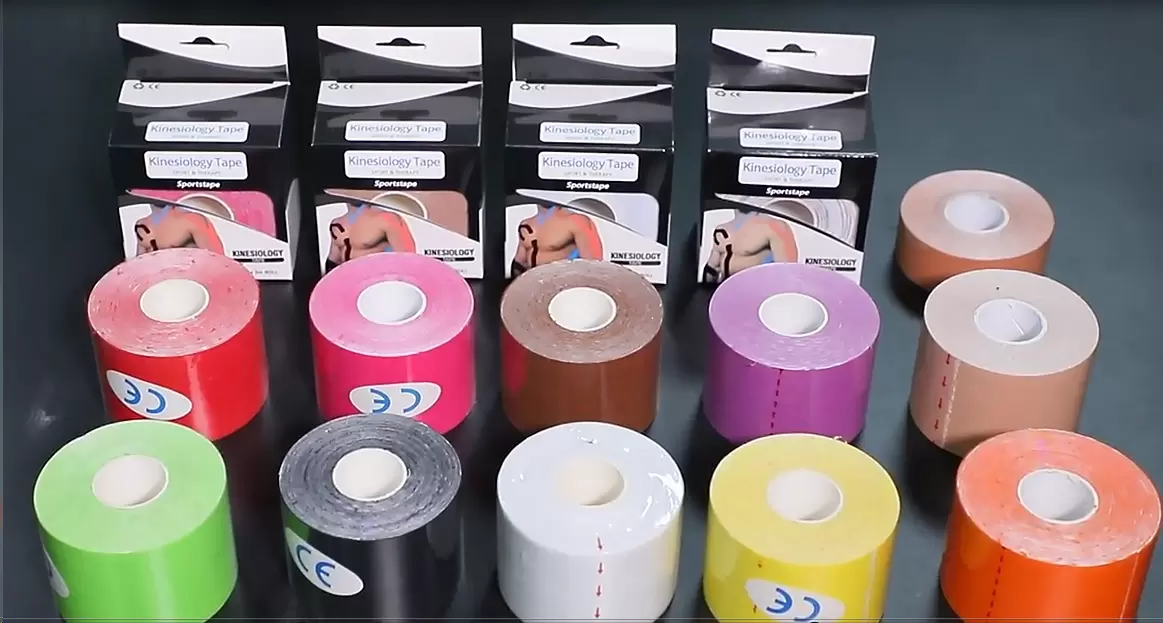
- Color options
- Logo printing options
- Pre-cut or roll format
- Packaging style
- Shelf life
- Storage recommendations
- Minimum order quantity
- Lead time for production
A common standard size is 5 cm x 5 m, but other widths and lengths may be available. Some buyers request wider rolls for larger muscle areas, while others need narrow tape for fingers, wrists, ankles, or small joints. Pre-cut strips are also popular for retail customers because they are convenient and reduce preparation time.
Elasticity is another important point. Kinesiology tape should stretch well and return smoothly. If it is too stiff, it may restrict movement. If it is too loose, it may not provide the expected support. For B2B orders, sample testing is the best way to confirm whether the tape matches your market needs.
Breathable Does Not Mean Weak Adhesion
Some buyers worry that breathable tape may not stick well. In reality, a well-designed breathable kinesiology tape can balance airflow and adhesion. The key is the adhesive formula and coating method.
Medical-grade acrylic adhesive is commonly used for kinesiology tape because it can provide reliable adhesion while remaining suitable for skin-contact products. However, adhesive performance still depends on formula quality, coating amount, storage condition, and application method.
A breathable kinesiology tape supplier bulk partner should help you find the right balance. For example, a tape intended for heavy sports users may need stronger sweat resistance and edge adhesion. A tape intended for general wellness or therapy use may need a gentler adhesive to support comfortable removal.
The supplier should also provide realistic use guidance. No tape performs well if it is applied over oil, lotion, sunscreen, wet skin, or body hair without preparation. Clear instructions in the packaging can reduce complaints and improve customer satisfaction.
How to Test Samples Before Bulk Ordering
Sample testing is an essential step before confirming a bulk order. Photos, videos, and supplier claims are useful, but they cannot replace real use testing.
When you receive samples, check the following points:
First, inspect the roll appearance. The tape should be clean, evenly wound, and free from visible stains, wrinkles, or uneven edges.
Second, test the backing paper. It should peel away smoothly without tearing too easily or sticking too tightly.
Third, stretch the tape gently. The stretch should feel even across the length of the tape. It should not deform too quickly or lose shape after light stretching.
Fourth, apply the tape to clean, dry skin. It should stick smoothly without lifting at the corners.
Fifth, wear the tape during light exercise. Check whether the tape remains comfortable when the body heats up or sweats.
Sixth, observe breathability and comfort. The skin should not feel overly trapped or wet under normal use.
Seventh, remove the tape slowly. A good tape should remove without excessive residue or unnecessary discomfort.
If possible, test several rolls from the same sample batch. This gives you a better idea of consistency. For larger orders, you may also request pre-production samples before mass production begins.
Private Label and OEM Options
Many B2B buyers are not looking for generic tape. They want a product that fits their own brand. This is where OEM and private label service becomes important.
A breathable kinesiology tape supplier bulk manufacturer can often support customization such as:
- Custom tape colors
- Logo printing on tape
- Custom roll size
- Custom pre-cut shapes
- Branded inner boxes
- Retail packaging design
- Instruction cards
- Barcode labels
- Carton marks
- Multi-language packaging
- Bulk packaging for clinics or teams
For retail brands, packaging design can influence purchasing decisions. The box should clearly explain the product type, size, material, usage guidance, and storage advice. For online sellers, packaging should also be strong enough to protect the roll during shipping.
For clinics and distributors, simple packaging may be more cost-effective. The goal may be to reduce unit cost while maintaining stable product quality. A good factory should be able to recommend packaging solutions according to your market, not just offer one standard option.
Logo printing on the tape can help improve brand recognition. However, buyers should confirm whether the printing affects elasticity, skin feel, or adhesion. The printed logo should be clear, durable, and suitable for sports use.
Bulk Order Quality Control
Quality control is one of the biggest differences between an experienced manufacturer and a basic supplier. For bulk orders, consistency matters more than a single good sample.
Before mass production, confirm the approved sample, material, color, adhesive type, packaging artwork, carton information, and delivery schedule. These details should be written clearly to avoid misunderstanding.
During production, the factory should check material quality, adhesive coating, roll size, cutting accuracy, color consistency, and packaging condition. For custom printed products, the logo position and print clarity should also be inspected.
Before shipment, buyers may request final inspection photos, videos, or third-party inspection depending on order size. This is especially useful for first-time cooperation or private label orders.
A professional breathable kinesiology tape supplier bulk factory should have a stable process for checking products before shipment. This helps reduce problems such as wrong colors, incorrect packaging, uneven cutting, weak adhesion, or damaged cartons.
Price Factors in Breathable Kinesiology Tape
Bulk buyers naturally care about price. However, the lowest price is not always the best choice. Kinesiology tape is a skin-contact product, and poor quality can quickly lead to complaints.
Several factors influence price:
Material quality affects comfort, durability, and elasticity.
Adhesive quality affects wearing time, skin feel, and performance during movement.
Tape size and roll length affect material usage.
Color and printing requirements affect production complexity.
Packaging type affects both product presentation and cost.
Order quantity affects unit price and production efficiency.
Testing, inspection, and documentation may also influence cost.
Instead of asking only for the cheapest price, buyers should compare the full value of the offer. A slightly higher price may be more profitable if the tape performs better, reduces complaints, and supports repeat sales.
When requesting a quotation, provide clear details such as size, quantity, color, packaging type, logo printing needs, destination country, and delivery requirements. This allows the supplier to quote accurately and avoid later cost changes.
Common Problems and How to Avoid Them
Many sourcing problems can be avoided by asking the right questions early.
One common issue is weak adhesion. This may come from poor adhesive quality, incorrect storage, uneven coating, or unsuitable tape selection for the target market.
Another issue is poor breathability. If the adhesive layer is too heavy or the fabric is too dense, users may feel uncomfortable during longer wear.
Color inconsistency can happen when repeat orders are not controlled well. For branded products, this can affect shelf appearance and customer trust.
Packaging mistakes are also common in private label orders. Wrong artwork, incorrect barcode, unclear instructions, or weak packaging can create problems after delivery.
Delayed delivery can affect seasonal promotions, retail launches, and distributor commitments. Buyers should confirm production time, packaging time, and shipping schedule in advance.
Working with an experienced breathable kinesiology tape supplier bulk partner helps reduce these risks. The supplier should communicate clearly, confirm specifications, and provide samples before production.
Application Instructions Improve Customer Experience
Even a high-quality tape may fail if it is applied incorrectly. For B2B brands, clear usage instructions are an easy way to improve customer satisfaction.
Useful instructions include:
- Clean and dry the skin before application
- Avoid oil, lotion, or sunscreen before use
- Trim body hair if necessary
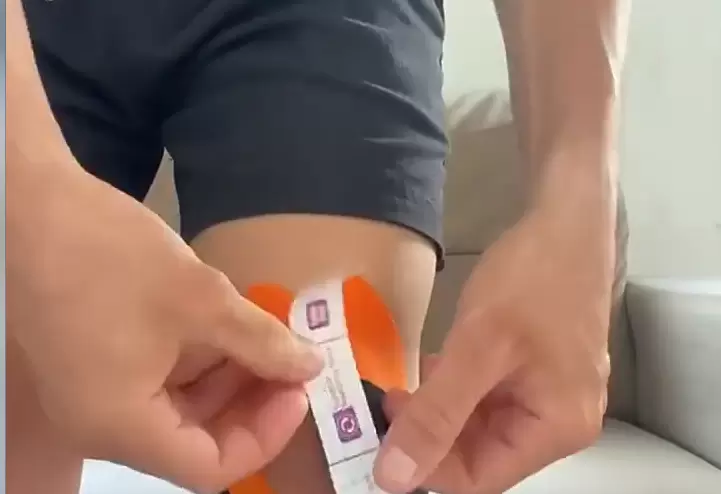
- Round the corners before applying cut strips
- Do not overstretch the tape ends
- Rub the tape after application to activate the adhesive
- Apply the tape before heavy sweating or exercise
- Remove slowly and gently
These tips can be printed on the box, added as an instruction leaflet, or included on the product page. For online sellers, clear application guidance can also reduce negative reviews caused by user error.
A factory with export experience can help prepare practical instruction content for private label packaging.
Why Work with Xingda New Material
Xingda New Material supplies sports tape products for business buyers who need reliable quality, practical customization, and bulk order support. For customers sourcing breathable kinesiology tape, the company focuses on materials, adhesive performance, production consistency, and packaging flexibility.
Whether you are building a private label sports brand, supplying rehabilitation clinics, selling through online platforms, or purchasing for wholesale distribution, working with a manufacturer that understands B2B requirements can make the process easier.
Xingda New Material can support common kinesiology tape specifications, color options, OEM packaging, and bulk supply needs. Buyers can discuss target market, application scenarios, packaging requirements, and order quantity to receive a suitable product recommendation.
For companies searching for a breathable kinesiology tape supplier bulk solution, the right factory should do more than produce tape. It should help you control product risk, improve customer experience, and maintain stable supply for repeat orders.
What to Include in Your Inquiry
To get a faster and more accurate quotation, prepare the following information before contacting a supplier:
- Product type: breathable kinesiology tape
- Required size and roll length
- Material preference, if any
- Adhesive requirement
- Color options
- Logo printing requirement
- Packaging type
- Order quantity
- Destination country
- Required delivery time
- Sample request
- Target sales channel
- Any required documents or certificates
If you are not sure about the exact specification, explain your market. For example, tell the supplier whether the tape will be sold to sports retailers, clinics, gyms, online customers, or distributors. A professional supplier can recommend a suitable option based on your use case.
Final Thoughts
Breathable kinesiology tape is a practical product for sports, fitness, therapy, rehabilitation, and wellness markets. For B2B buyers, the key is not only to find a product that looks good in photos. The tape must feel comfortable on the skin, stretch properly, stay in place during movement, and remain consistent across bulk orders.
Choosing the right breathable kinesiology tape supplier bulk partner can help your business reduce complaints, improve repeat purchases, and build a stronger product line. Before placing an order, test samples carefully, confirm specifications, review packaging details, and make sure the factory can support stable production.
Xingda New Material works with business buyers looking for sports tape solutions with customization and bulk supply support. If your company needs breathable kinesiology tape for private label, wholesale, retail, or clinical distribution, discussing your requirements with an experienced manufacturer is a practical first step.