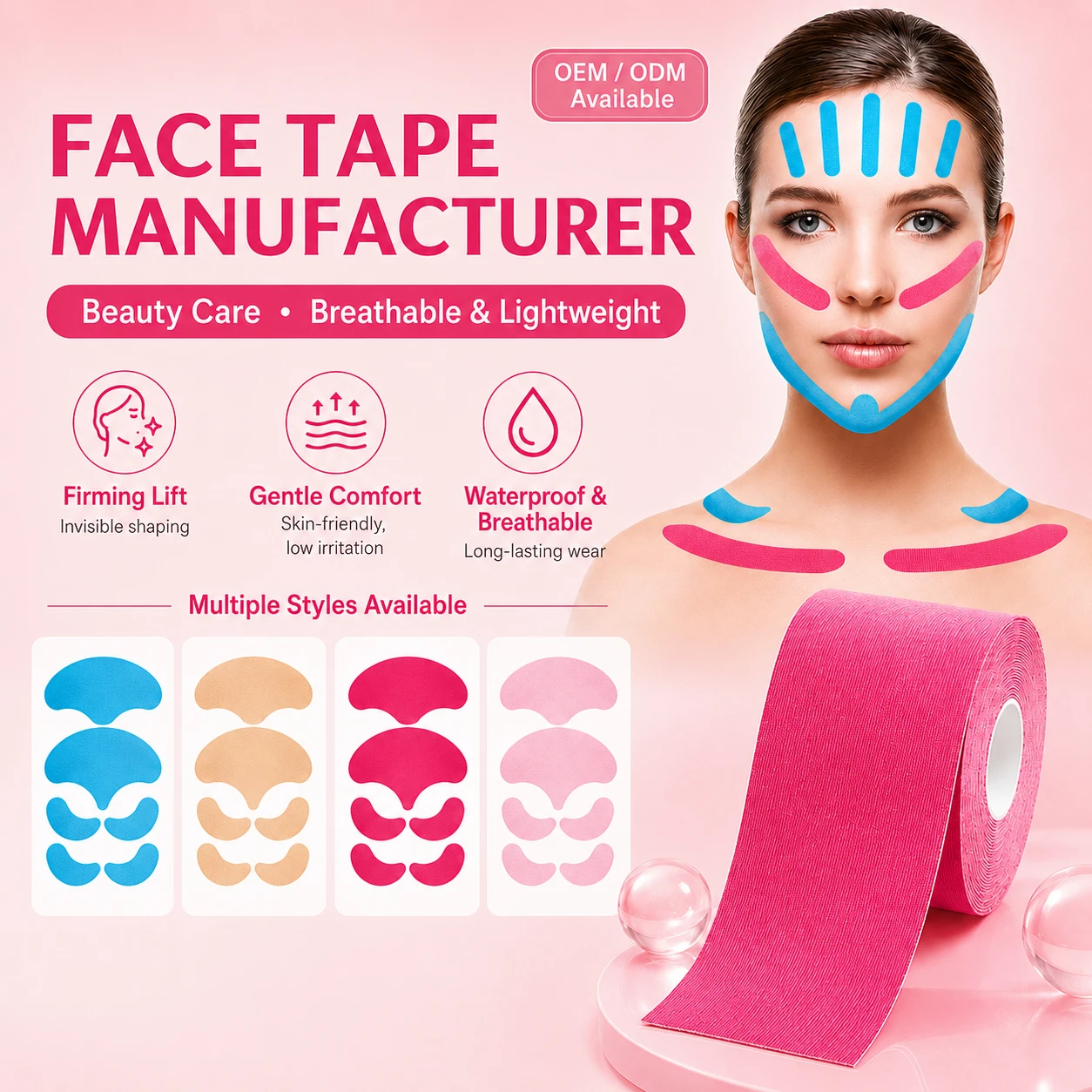
For sports brands, physiotherapy suppliers, rehabilitation product distributors, and private label companies, kinesiology tape is no longer a niche product. It is widely used by athletes, gym users, physiotherapists, sports teams, and people recovering from muscle or joint discomfort. As the market becomes more competitive, buyers are not only looking for standard rolls of tape. They want stable quality, reliable adhesive performance, flexible customization, and packaging that fits their own brand.
If you are sourcing kinesiology tape for your business, this guide explains what to check before placing an order, how waterproof performance should be evaluated, and what customization options are worth discussing with a professional factory.
Kinesiology tape is often used during physical activity. That means the tape must stay in place when the user sweats, moves repeatedly, or trains in humid conditions. For many buyers, waterproof performance is one of the most important product features.
A waterproof kinesiology tape does not mean the tape can stay on the skin forever under any condition. Instead, it means the tape is designed to resist sweat and moisture better than ordinary sports tape. It should maintain adhesion during common sports activities such as running, cycling, gym training, football, basketball, tennis, yoga, hiking, and swimming-related use.
For B2B buyers, waterproof performance directly affects repeat purchases. If end users feel the tape peels off too quickly, they are unlikely to buy the same brand again. This is especially important for private label brands selling through Amazon, sports shops, clinics, pharmacies, and online stores.
When working with a custom kinesiology tape factory waterproof products should be tested under realistic conditions, not only checked by appearance. Buyers should ask about adhesive type, backing fabric, coating process, water resistance test methods, and recommended wearing time.
The waterproof ability of kinesiology tape comes from several factors working together. It is not decided by adhesive alone.
First, the fabric plays a key role. Most kinesiology tapes use cotton or synthetic fiber blends. Cotton-based tape is soft and breathable, while synthetic materials may offer better water resistance and durability. Some products combine comfort and moisture resistance through special weaving methods.
Second, the adhesive must be skin-friendly but strong enough to stay attached during movement. Medical-grade acrylic adhesive is commonly used because it offers good adhesion and is generally suitable for sports tape applications. The adhesive pattern also matters. Many kinesiology tapes use a wave-pattern glue design, which helps breathability and improves comfort during longer wear.
Third, the production process affects consistency. Even if the material looks similar, poor coating control can lead to uneven glue distribution. Some parts of the tape may stick well, while others may peel off quickly. This is one of the reasons buyers should choose an experienced factory instead of only comparing unit price.
Fourth, the release paper and cutting quality also influence user experience. If the backing paper is hard to remove or the tape edges are rough, users may stretch or damage the tape before application. Clean cutting helps the tape lie flat on the skin and reduces early peeling.
A reliable custom kinesiology tape factory waterproof manufacturer should be able to explain these details clearly and provide product samples for testing.
Before placing a bulk order, it is important to ask specific questions. General promises such as “high quality” or “best price” are not enough. B2B buyers need measurable information.
- What materials are used for the tape backing?
- Is the adhesive medical-grade acrylic adhesive?
- How long can the tape usually stay on the skin under normal sports conditions?
- Can the tape resist sweat and light water exposure?
- What sizes, colors, and shapes can be customized?
- Can the factory produce private label packaging?
- What is the minimum order quantity for custom printing?
- Can samples be provided before mass production?
- What quality control steps are used during production?
- Can the factory support repeat orders with consistent color and adhesive performance?
These questions help you understand whether the supplier has real production experience. A professional factory should answer directly and provide practical suggestions based on your target market.
For example, a physiotherapy clinic may prefer skin-friendly tape with moderate adhesion and simple packaging. A sports retail brand may need bright colors, strong waterproof performance, and attractive retail boxes. A distributor may need different tape widths and bulk packaging to serve multiple customer groups.
Custom Options for Kinesiology Tape Brands
Customization is one of the main reasons buyers work directly with a factory. A custom kinesiology tape factory waterproof supplier can usually offer several options depending on order quantity and product requirements.
Common customization options include:
- Tape size
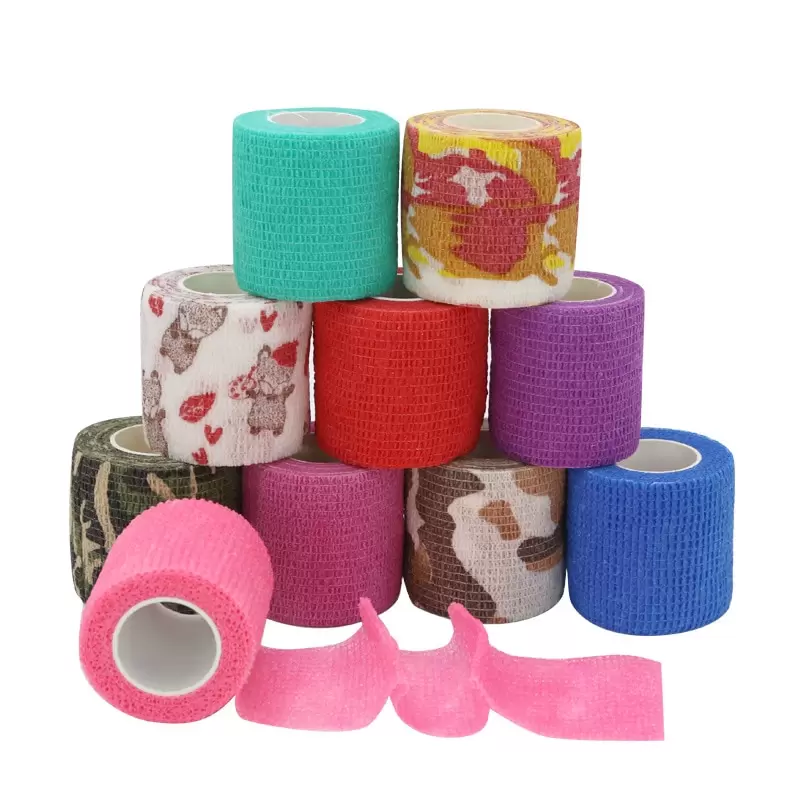
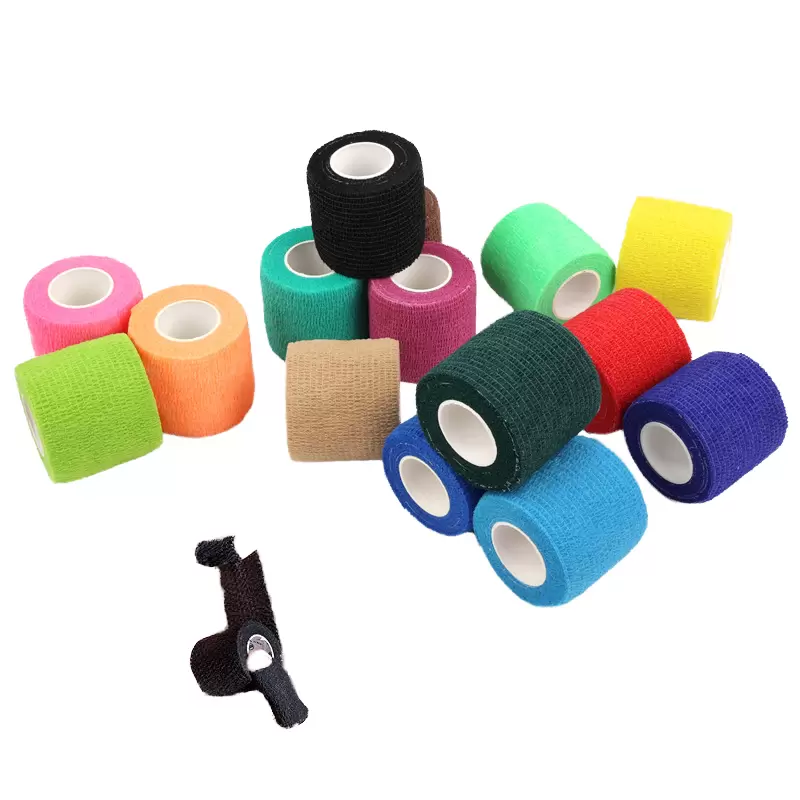
- Tape color
- Logo printing on tape
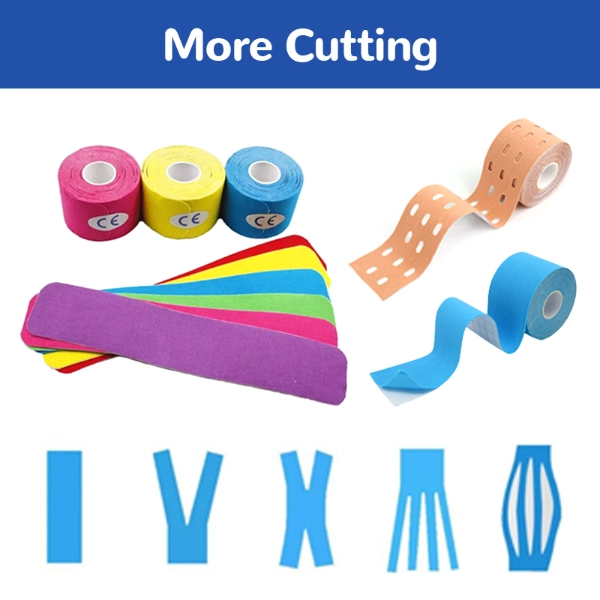
- Pre-cut tape shapes
- Roll length
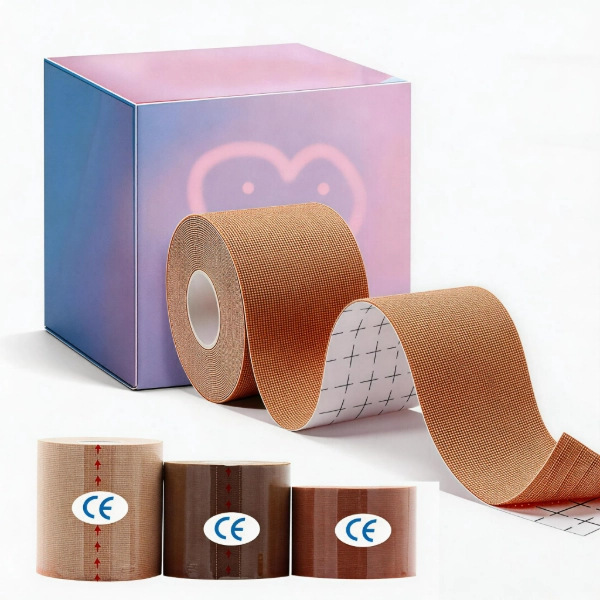
- Packaging design
- Inner box and outer carton design
- Instruction leaflet
- Barcode or SKU label
- OEM and private label service
Standard kinesiology tape is often supplied in 5 cm x 5 m rolls, but many buyers also request other sizes. Wider tape may be used for larger muscle areas, while narrower tape may be useful for fingers, wrists, or smaller joints. Pre-cut tape is also popular because it saves users time and makes application easier.
Logo printing is another useful option for brand building. Printed tape can help improve brand visibility, especially when used by athletes, sports teams, trainers, and clinics. However, buyers should check whether the printing affects tape elasticity, adhesion, or comfort. The print should be clear, durable, and safe for skin-contact products.
Packaging customization is equally important. For retail sales, packaging must look professional and provide clear product information. For clinical or wholesale use, simple and cost-effective packaging may be more suitable. A factory with experience in export orders can usually help adjust packaging according to sales channels.
Waterproof Tape for Different Business Channels
Different buyers may have different expectations for waterproof kinesiology tape. Understanding your sales channel helps you choose the right product specification.
For sports retailers, the tape should have attractive colors, strong adhesion, and packaging that clearly explains product benefits. Customers may compare several brands on the shelf or online, so product presentation matters.
For physiotherapy and rehabilitation suppliers, comfort and skin compatibility are very important. The tape may be used by people who need support during recovery, so a balance between adhesion and gentle removal is needed.
For online sellers, product reviews are critical. Waterproof performance, edge adhesion, ease of use, and packaging quality can all affect customer feedback. Poor product consistency may lead to returns and negative reviews.
For team sports and gyms, bulk supply and custom branding may be more important. Clubs and training centers may want tape printed with their logo or supplied in team colors.
For distributors, stable production capacity and repeat order consistency are essential. If the first batch performs well but the second batch has different adhesion or color, it can damage business relationships.
This is why a custom kinesiology tape factory waterproof supplier should not only offer a low price. The supplier should also understand how different markets use the product.
How to Test Kinesiology Tape Samples
Before confirming a large order, sample testing is necessary. Buyers should not rely only on photos or product descriptions.
A practical sample test can include the following checks:
Apply the tape to clean, dry skin and observe initial adhesion. The tape should stick smoothly without lifting at the edges.
Test stretch recovery. Good kinesiology tape should stretch evenly and return without losing shape too quickly.
Wear the tape during light exercise. Check whether it remains attached after sweating.
Expose the tape to moisture, such as a short shower or wet towel test. Observe whether the adhesive weakens immediately or remains stable.
Check comfort after several hours of wear. The tape should not feel too stiff or overly irritating.
Remove the tape slowly and check whether it leaves too much residue.
Compare several samples from the same supplier. This helps check batch consistency.
If your target customers include swimmers, outdoor athletes, or heavy-sweat users, you should test the tape under more demanding conditions. However, it is also important to provide realistic product instructions. Even high-quality waterproof kinesiology tape should be applied correctly to achieve better performance.
Application Instructions Affect Product Performance
Sometimes end users complain that kinesiology tape does not stick well, but the issue may be caused by incorrect application. For private label brands, clear instructions can reduce complaints and improve customer satisfaction.
Useful application tips include:
Clean and dry the skin before applying the tape.
Avoid applying lotion, oil, or sunscreen before use.
Round the tape corners to reduce peeling.
Do not touch the adhesive side too much.
Apply the tape at least 30 minutes before intense activity or water exposure.
Rub the tape gently after application to activate the adhesive.
Remove the tape slowly in the direction of hair growth.
A professional factory can help provide instruction cards or printed guides for packaging. This small detail can make the product look more professional and reduce unnecessary after-sales issues.
Price Is Important, But It Should Not Be the Only Factor
Many buyers compare factories mainly by price. Cost control is important, especially for wholesale and private label products. However, the cheapest kinesiology tape may not always bring the best profit.
Low-cost tape may use weaker adhesive, lower-grade fabric, poor printing, or inconsistent coating. These problems may not be obvious when checking the roll by hand, but they become clear when customers actually use the product.
For B2B buyers, the real cost includes returns, complaints, lost customers, delayed shipments, and brand damage. A slightly higher unit price may be acceptable if the product performs better and supports repeat sales.
When evaluating a custom kinesiology tape factory waterproof product line, buyers should compare value instead of price alone. Consider product quality, customization ability, delivery time, communication efficiency, quality control, packaging support, and long-term cooperation potential.
Why Work with an Experienced Manufacturer
An experienced kinesiology tape factory can help buyers avoid many common sourcing problems. They understand material selection, adhesive performance, production control, packaging requirements, and export standards.
For new brands, the factory can recommend standard specifications that are already proven in the market. This helps reduce development time and risk.
For established brands, the factory can support more detailed customization, such as special colors, printed logos, pre-cut shapes, or packaging upgrades.
For distributors, the factory can help maintain stable supply and provide different product options for different customers.
Good communication is also important. A reliable supplier should confirm product details before production, provide samples when needed, and keep buyers updated during the order process.
Xingda New Material focuses on sports tape and related adhesive products, offering customization support for buyers who need kinesiology tape for sports, rehabilitation, retail, and private label use. For companies searching for a custom kinesiology tape factory waterproof solution, working with a manufacturer that understands both product performance and B2B requirements can make sourcing more efficient.
What to Include in Your RFQ
When sending an inquiry to a factory, provide clear details. This helps the supplier quote accurately and recommend the right solution.
Your RFQ can include:
- Target product: kinesiology tape
- Required size: for example, 5 cm x 5 m
- Material preference: cotton, synthetic, or factory recommendation
- Adhesive requirement: waterproof, sweat-resistant, skin-friendly
- Color options
- Logo printing requirement
- Packaging type
- Estimated order quantity
- Destination country
- Required certificates or documents
- Target price range if available
- Sample request
- Expected delivery time
The more specific your inquiry is, the faster the supplier can respond with useful information. If you are not sure about specifications, explain your sales channel and target users. A professional manufacturer can suggest suitable options.
Final Thoughts
Waterproof kinesiology tape is a practical product with strong demand in sports, fitness, rehabilitation, and personal care markets. For B2B buyers, choosing the right supplier is not only about finding a tape that looks good. It is about ensuring stable adhesion, comfortable wear, reliable waterproof performance, clean customization, and consistent supply.
A dependable custom kinesiology tape factory waterproof partner should offer clear material information, sample support, flexible OEM options, quality control, and honest communication. Before placing a bulk order, test samples carefully, compare performance under real use conditions, and confirm all packaging and branding details.
For sports brands, distributors, clinics, and private label sellers, the right kinesiology tape can support customer trust and repeat business. Working with an experienced manufacturer such as Xingda New Material can help simplify product development and provide a more reliable foundation for your sports tape product line.