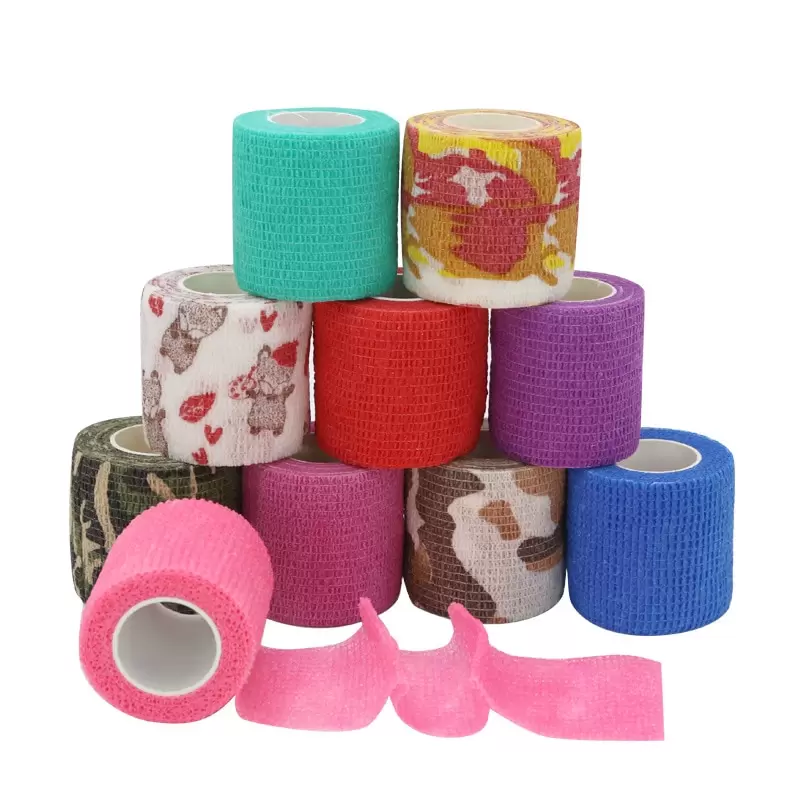
Xingda New Material is a manufacturing-focused supplier of adhesive tape products, including industrial duct tape rolls designed for packaging, construction, HVAC maintenance, and general-purpose repair applications.
For buyers searching for a custom duct tape rolls supplier, the real challenge is not finding “duct tape”—it is finding a supplier that can consistently control adhesive performance, backing strength, roll specifications, and customization parameters at scale. In B2B procurement, small deviations in tape quality often translate into production downtime, packaging failure, or field repair inefficiencies.
This article breaks down how duct tape is specified, what matters in industrial sourcing, and how custom manufacturing actually works in practice.
1. What “Duct Tape Rolls” Mean in Industrial Supply Chains
In B2B procurement, duct tape is not a single standardized product. It is a category of reinforced pressure-sensitive adhesive (PSA) tapes typically composed of three layers:
Backing layer: polyethylene (PE) coated cloth or scrim
Adhesive layer: rubber-based or hot-melt adhesive system
Release liner (optional): used in specialty formats
Unlike consumer-grade tape, industrial duct tape rolls are engineered for:
High tensile strength under stress
Stable adhesion on uneven or dusty surfaces
Resistance to humidity and temperature fluctuation
Controlled unwind force for automated or manual use
A reliable custom duct tape rolls supplier must therefore control not only material composition but also winding tension, coating uniformity, and adhesive viscosity.
2. Core Material Structure and Why It Matters for Buyers
Most sourcing issues begin at the material level. Even if two rolls look identical, performance differences can be significant.
2.1 Backing Material (Scrim + Film)
Industrial duct tape usually uses a woven fabric scrim laminated with polyethylene film. Key parameters include:
Mesh density (threads per inch)
Film thickness (micron level control)
Tear resistance (both longitudinal and transverse)
Higher scrim density generally improves mechanical stability but increases cost. For heavy-duty industrial use, buyers often request reinforced scrim structures to prevent edge splitting.
2.2 Adhesive System
There are two main adhesive types:
Natural rubber adhesive: stronger initial tack, widely used in construction and HVAC sealing
Synthetic rubber / hot-melt adhesive: better aging resistance and cleaner application
A professional custom duct tape rolls supplier will adjust adhesive formulation depending on climate conditions in target markets. For example, high-temperature regions require higher softening points to prevent adhesive bleed.
3. Manufacturing Process: Where Quality Differences Actually Come From
Understanding production helps buyers evaluate suppliers more accurately.
Typical duct tape production includes:
Base fabric weaving and lamination
PE film extrusion coating
Adhesive mixing and coating
Drying and curing process
Slitting into roll widths
Core winding and tension control
Packaging and labeling
Among these, the most critical steps are adhesive coating and winding control.
Poor coating consistency leads to:
uneven adhesion zones
edge leakage
premature drying
Poor winding control leads to:
For industrial buyers, these defects are not cosmetic—they directly impact usability in production environments.
4. Customization Options in Duct Tape Rolls
The term custom duct tape rolls supplier usually refers to OEM/ODM capability across multiple parameters, not just branding.
4.1 Size Customization
Common specifications include:
Width: 25mm, 48mm, 50mm, 75mm, or custom die-cut widths
Length: 10m to 100m+ per roll
Core diameter: 1 inch, 1.5 inch, 3 inch industrial cores
4.2 Color and Surface Finish
Industrial buyers often request:
Standard silver/gray PE finish
Black, white, or color-coded rolls
Matte or semi-gloss surface coatings
Color is not purely aesthetic. In logistics or construction environments, color coding helps differentiate usage zones or maintenance categories.
4.3 Adhesive Strength Grades
Suppliers typically offer:
Light-duty (temporary sealing, packaging)
Medium-duty (general repair, bundling)
Heavy-duty (construction sealing, HVAC duct sealing)
Each grade is defined by peel strength, shear resistance, and tack level.
4.4 Private Label and Packaging
B2B customers often require:
Printed logos on core or backing
Custom packaging sleeves or shrink wrap
Barcode and SKU integration for distribution channels
A capable custom duct tape rolls supplier must support flexible printing systems without compromising adhesive curing or roll integrity.
5. Industrial Applications Driving Demand
Duct tape remains widely used because it solves multi-surface bonding problems without specialized tools.
5.1 Construction and Building Maintenance
Temporary sealing of joints and gaps
Surface protection during painting or renovation
Bundling of materials on-site
5.2 HVAC Systems
Despite the name “duct tape,” modern HVAC standards require careful selection. Applications include:
5.3 Packaging and Logistics
5.4 Industrial Manufacturing
Each application requires different adhesive and backing performance levels, which is why sourcing from a flexible custom duct tape rolls supplier is often preferred over standardized retail products.
6. Quality Control Parameters Buyers Should Verify
In B2B procurement, quality control is not optional—it defines long-term cost efficiency.
Key QC metrics include:
Peel adhesion strength (N/25mm)
Tensile strength (N/cm)
Elongation percentage
Temperature resistance range
Aging stability (48h/72h/168h tests)
Unwind force consistency
Reliable suppliers also perform:
Batch-to-batch adhesive viscosity testing
Environmental simulation (humidity/heat cycling)
Roll concentricity inspection
Without these controls, even “cheap” duct tape becomes expensive due to failure rates in real use conditions.
7. Packaging, Storage, and Logistics Considerations
Duct tape is sensitive to storage conditions more than many buyers assume.
Recommended storage conditions:
Temperature: 10–30°C
Humidity: below 65% RH
Avoid direct UV exposure
Improper storage leads to:
adhesive aging
edge drying
reduced tack performance
From a logistics perspective, suppliers offering palletized export packaging and moisture-resistant wrapping provide significant downstream cost advantages.
8. Why Supplier Capability Matters More Than Price
When evaluating a custom duct tape rolls supplier, price is only one dimension. More important factors include:
Production consistency at scale
Material sourcing stability
Custom formulation capability
Lead time reliability
Export compliance experience
Low-cost suppliers often reduce costs by adjusting adhesive content or scrim density without transparent disclosure. This creates variability that is difficult to detect during sampling but becomes evident in mass deployment.
9. What B2B Buyers Should Request Before Placing Orders
Before committing to a bulk order, procurement teams should request:
Technical data sheet (TDS)
Adhesive composition summary
Sample rolls from different batches
Peel/tensile test reports
Production lead time breakdown
Customization feasibility confirmation
These documents reduce procurement risk and allow meaningful comparison between suppliers.
10. Practical Procurement Checklist
To simplify sourcing decisions, here is a practical checklist used by industrial buyers:
Can the supplier adjust adhesive formulation for climate conditions?
Is scrim density consistent across batches?
Are roll dimensions stable within tolerance limits?
Does the supplier support OEM/private label printing?
Are QC reports available per shipment?
Can they scale production without quality drift?
If the answer is “no” to multiple items, the supplier is likely not suitable for long-term industrial contracts.
Conclusion
Selecting a custom duct tape rolls supplier is ultimately a technical sourcing decision, not a commodity purchase. The differences between suppliers are driven by material engineering, adhesive formulation control, and production consistency—not branding or packaging.
Xingda New Material operates within this industrial supply framework, offering duct tape roll solutions that align with B2B requirements such as customization, bulk production stability, and application-specific performance tuning.
For buyers in construction, logistics, HVAC, and manufacturing sectors, the most effective procurement strategy is to evaluate suppliers based on measurable performance data rather than unit price alone.