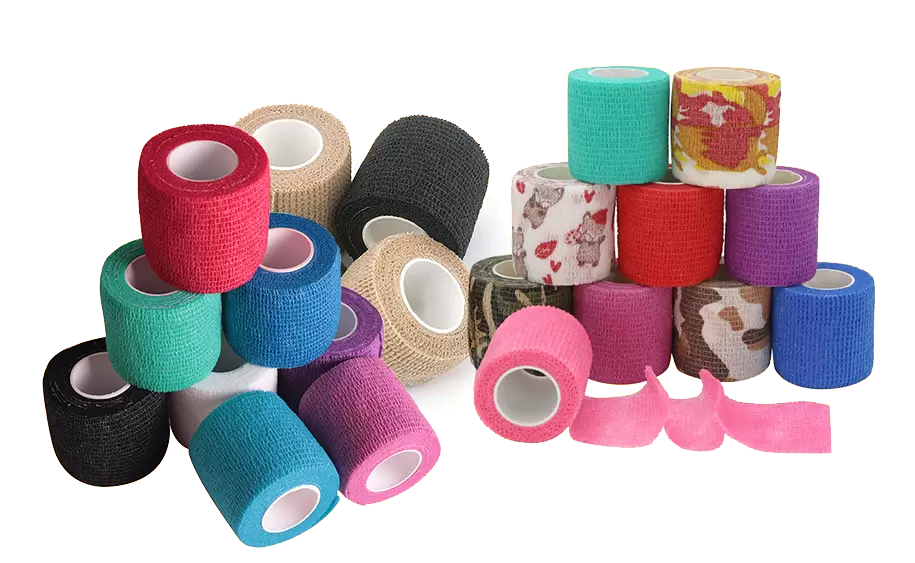
Cosmetic procedures continue to grow worldwide, creating increasing demand for products that support safe and comfortable post-procedure recovery. While surgeons, aesthetic clinics, and recovery centers focus on treatment outcomes, the materials used during the healing phase can also influence patient comfort and overall satisfaction.
Among these products, cosmetic surgery recovery tape has become an important component in post-operative care protocols. Whether used after facial procedures, rhinoplasty, eyelid surgery, facelift treatments, body contouring procedures, or other aesthetic interventions, recovery tapes help provide support, protection, and stability during the healing process.
For distributors, private-label brands, aesthetic product suppliers, and clinic procurement managers, understanding the technical and commercial aspects of cosmetic surgery recovery tape is essential when selecting reliable products for their markets.
This guide explores the functions, materials, selection criteria, manufacturing considerations, and sourcing strategies for cosmetic surgery recovery tape.
What Is Cosmetic Surgery Recovery Tape?
Cosmetic surgery recovery tape is a specialized adhesive tape designed for use during the post-operative healing period following aesthetic or reconstructive procedures.
Unlike general-purpose adhesive tapes, these products are developed with several priorities in mind:
Gentle adhesion to sensitive skin
Breathability
Comfortable long-term wear
Reliable fixation
Easy removal
Reduced skin irritation
Compatibility with facial and body contours
Depending on the procedure, recovery tape may be applied by healthcare professionals immediately after surgery or recommended for patient use during later stages of recovery.
Common applications include:
Face lift recovery
Rhinoplasty support
Eyelid surgery aftercare
Chin and jawline procedures
Neck lift recovery
Scar management support
Facial contouring recovery
Post-liposuction support
Cosmetic dermatology treatments
As aesthetic medicine evolves, the demand for high-quality cosmetic surgery recovery tape continues to increase across hospitals, plastic surgery clinics, med spas, and medical distributors.
Why Post-Surgery Taping Matters
The recovery phase often determines how patients perceive the success of a cosmetic procedure. Even when surgery is technically successful, poor post-operative care can negatively affect comfort and satisfaction.
Recovery tapes serve several practical functions.
Supporting Healing Tissues
Following cosmetic surgery, tissues require time to stabilize. Appropriate taping can provide gentle support to treated areas and help maintain the intended positioning recommended by medical professionals.
Reducing External Friction
Facial skin can be highly sensitive after treatment. Recovery tapes help protect healing areas from unnecessary friction caused by clothing, bedding, or routine movement.
Assisting Swelling Management
Many surgeons incorporate taping into recovery protocols because it may assist in maintaining gentle compression and support around treated regions.
Protecting Incisions
A properly selected cosmetic surgery recovery tape can act as a protective barrier, helping shield healing skin from environmental exposure.
Improving Patient Comfort
Patients often appreciate products that are lightweight, breathable, and easy to wear throughout daily activities.
For suppliers and distributors, these practical benefits explain why recovery tapes have become a recurring purchase category within aesthetic medicine.
Key Features of High-Quality Cosmetic Surgery Recovery Tape
Not all tapes are suitable for post-surgical use.
When evaluating products, buyers should focus on performance characteristics rather than simply comparing prices.
Skin-Friendly Adhesive Technology
One of the most important factors is adhesive formulation.
Post-surgery skin is often more sensitive than normal skin. A high-quality tape should provide reliable fixation without causing excessive discomfort during removal.
Common adhesive options include:
The choice depends on intended application and customer requirements.
Breathability
Poor ventilation may contribute to discomfort during extended wear.
Modern cosmetic surgery recovery tape products often utilize breathable backing materials that allow air circulation while maintaining secure adhesion.
Benefits include:
Improved comfort
Better moisture management
Reduced skin maceration risk
Enhanced long-term wearability
Conformability
Facial anatomy presents unique challenges.
Areas around the nose, jawline, cheeks, and eyes require tapes capable of adapting to curved surfaces.
Flexible materials help ensure:
Consistent Adhesion
Insufficient adhesion can cause premature tape failure.
Excessively aggressive adhesion may damage sensitive skin.
The ideal cosmetic surgery recovery tape balances these two requirements.
Easy Removal
Patients often need to replace tape repeatedly throughout recovery.
A quality product should remove cleanly while minimizing discomfort.
Common Materials Used in Cosmetic Surgery Recovery Tape
The performance of recovery tape depends heavily on the backing material.
Cotton-Based Tape
Cotton remains one of the most popular materials.
Advantages include:
Soft texture
Breathability
Good flexibility
Skin comfort
Cotton-based tapes are commonly used for facial applications.
Non-Woven Fabric Tape
Non-woven materials provide:
These products are widely used in medical and aesthetic applications.
Elastic Fabric Tape
Elastic structures allow the tape to stretch and move naturally with facial expressions and body movement.
This characteristic is especially important when patient comfort is a priority.
Silicone-Coated Materials
Premium recovery products may incorporate silicone technologies to improve skin compatibility.
These solutions are often selected for sensitive skin applications and scar management programs.
Cosmetic Procedures That Frequently Use Recovery Tape
Rhinoplasty Recovery
Nasal surgery remains one of the most common applications.
Many surgeons recommend taping to support healing tissues and assist with post-operative management during the recovery phase.
Requirements often include:
Gentle adhesion
Narrow-width formats
High conformability
Easy application
Facelift Procedures
Facelift recovery commonly involves larger treatment areas.
The selected cosmetic surgery recovery tape should maintain adhesion while remaining comfortable for prolonged wear.
Eyelid Surgery
Following blepharoplasty procedures, delicate skin requires specialized products with controlled adhesive strength.
Chin and Jawline Procedures
Taping may be incorporated into recovery protocols designed to support contour stabilization and patient comfort.
Scar Care Applications
Certain recovery tapes may also be used as part of broader scar management programs after incisions have adequately healed.
Growing Global Demand for Cosmetic Surgery Recovery Tape
Several factors are driving market growth.
Rising Aesthetic Procedure Volumes
Global cosmetic procedure numbers continue to increase across both surgical and minimally invasive categories.
As procedure volumes grow, associated recovery products experience parallel demand.
Increased Patient Awareness
Patients today actively research recovery methods before undergoing treatment.
This trend encourages clinics to offer professional-grade recovery solutions.
Expansion of Medical Tourism
Countries with active cosmetic surgery sectors often attract international patients.
Clinics serving these markets require dependable recovery supplies with consistent quality.
Growth of Private Label Brands
Many distributors and healthcare brands seek customized cosmetic surgery recovery tape solutions to strengthen market differentiation.
This has increased demand for OEM and private-label manufacturing services.
How Distributors Should Evaluate Suppliers
Selecting the right manufacturing partner is critical.
Manufacturing Capability
Buyers should assess whether the supplier operates an integrated production system.
Advantages include:
Quality Management Systems
Reliable suppliers typically maintain documented quality procedures.
Areas to review include:
Production Capacity
Growing brands require suppliers capable of scaling production.
Questions to ask include:
Monthly output capacity
Peak season capability
Lead times
Emergency order support
Product Development Support
The ability to develop customized solutions can create long-term commercial advantages.
Many buyers require:
Export Experience
International buyers benefit from suppliers familiar with global logistics requirements.
Export experience often improves:
Documentation accuracy
Packaging compliance
Shipping efficiency
Customer communication
Private Label Opportunities in the Recovery Tape Market
Private-label products have become increasingly attractive.
Rather than competing solely on price, distributors can build stronger brand recognition through customized products.
Common customization options include:
Custom Branding
Logo printing
Retail packaging
Clinic branding
Multilingual labeling
Customized Dimensions
Different markets may prefer specific roll sizes and formats.
Examples include:
Specialized Adhesives
Some customers request:
Market-Specific Packaging
Packaging can be adapted for:
Important Performance Tests for Cosmetic Surgery Recovery Tape
Professional buyers should understand the testing methods used to evaluate product quality.
Adhesion Testing
Measures bonding performance under standardized conditions.
Peel Strength Testing
Evaluates the force required to remove the tape from a surface.
Tensile Strength Testing
Determines resistance to stretching and breakage.
Breathability Testing
Measures air permeability and moisture management characteristics.
Skin Compatibility Evaluation
Assesses suitability for contact with sensitive skin.
Aging Tests
Examines long-term performance stability under different environmental conditions.
These evaluations help ensure consistent product quality across production batches.
Packaging Considerations for International Markets
Packaging influences both product protection and commercial success.
Individual Roll Packaging
Suitable for:
Retail sales
E-commerce channels
Clinic distribution
Bulk Packaging
Preferred by:
Sterile vs. Non-Sterile Formats
Requirements vary depending on intended application and local market regulations.
Buyers should confirm product specifications before importing.
Common Procurement Challenges
Inconsistent Adhesion
Changes in raw materials or manufacturing processes can affect performance.
Reliable suppliers maintain strict quality control procedures.
Long Lead Times
Global demand fluctuations may create supply challenges.
Integrated manufacturers often provide greater production flexibility.
Packaging Quality Issues
Poor packaging can result in transportation damage.
Export-ready packaging reduces these risks.
Limited Customization Support
Some suppliers focus exclusively on standard products.
Businesses seeking brand differentiation should prioritize manufacturers capable of OEM development.
Future Trends in Cosmetic Surgery Recovery Tape
The market continues to evolve.
Several trends are shaping future product development.
Softer Adhesive Technologies
Manufacturers are investing in adhesives designed to improve comfort while maintaining secure fixation.
Enhanced Breathability
Demand for long-wear comfort is encouraging the development of more breathable structures.
Sustainable Materials
Environmental considerations are becoming increasingly important throughout healthcare supply chains.
Smart Packaging
Improved packaging designs help strengthen branding and user experience.
Expanded Customization
Private-label demand is expected to continue growing as distributors seek stronger market positioning.
Choosing the Right Manufacturing Partner
For distributors, wholesalers, aesthetic brands, and healthcare suppliers, product quality alone is not enough.
The ideal manufacturing partner should provide:
Stable production capacity
Consistent quality control
Technical support
Custom development services
Efficient logistics
Responsive customer service
A supplier with a complete production chain can often deliver better control over quality and lead times while supporting large-scale international distribution.
Conclusion
The global aesthetic industry continues to expand, creating new opportunities for suppliers of recovery and aftercare products. As clinics and patients place greater emphasis on comfortable healing experiences, demand for reliable cosmetic surgery recovery tape is expected to remain strong.
For distributors, importers, healthcare brands, and aesthetic product companies, success depends on selecting products that combine skin-friendly adhesion, breathability, flexibility, and consistent manufacturing quality. Beyond product performance, factors such as customization capability, production capacity, logistics efficiency, and technical support play a major role in long-term supply chain success.
By understanding the practical requirements of post-surgical recovery and partnering with experienced manufacturers, businesses can deliver dependable solutions that meet the evolving needs of cosmetic surgery professionals and patients worldwide.