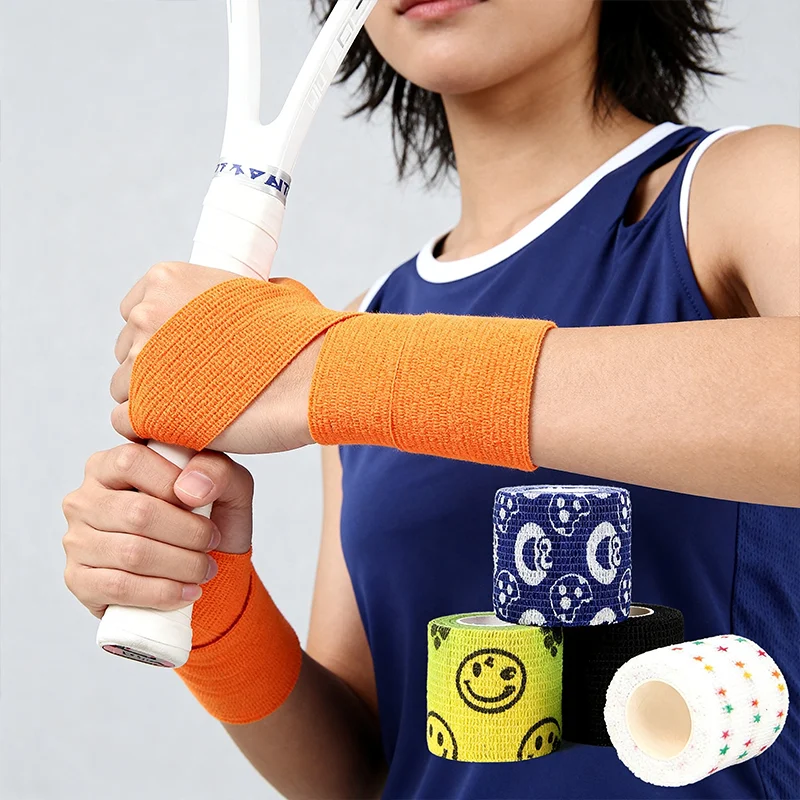
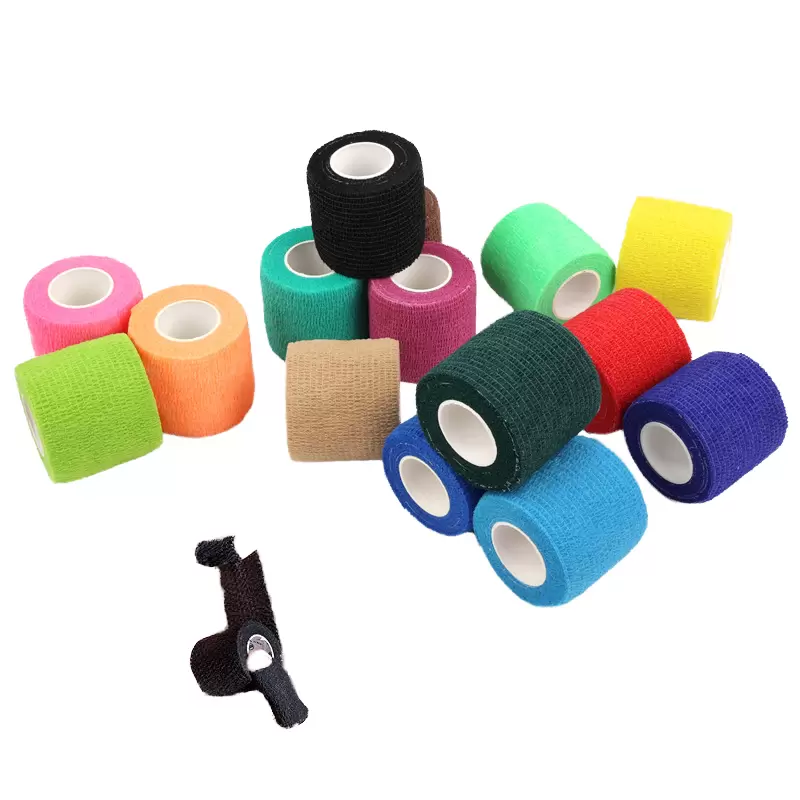
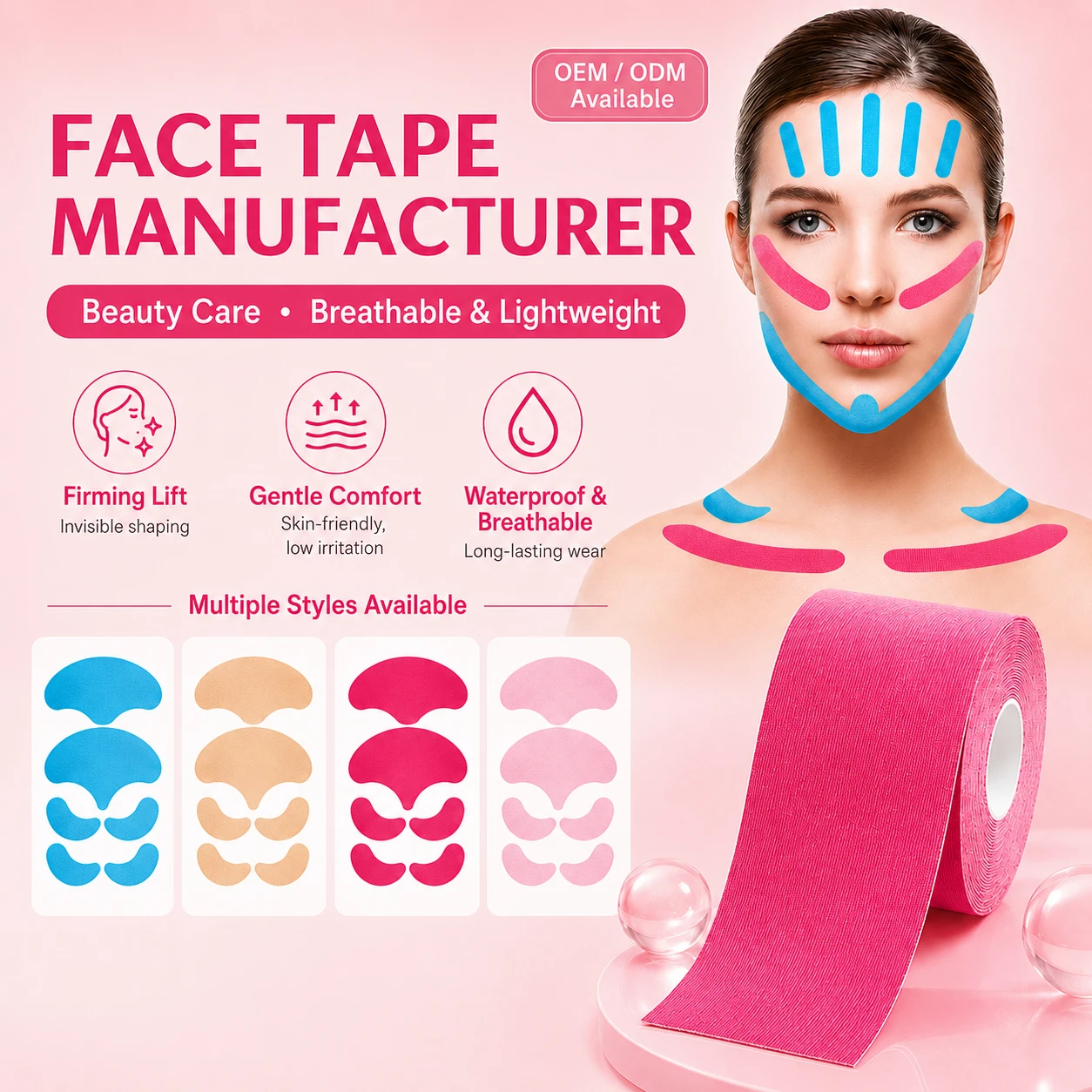
Introduction: The Growing Demand for Professional Kinesiology Tape Solutions
The global demand for kinesiology tape has continued to expand as more athletes, rehabilitation professionals, physiotherapy clinics, and healthcare providers recognize the value of elastic adhesive tapes in supporting muscle movement, improving physical performance, and assisting recovery processes. For companies involved in sports medicine, rehabilitation products, healthcare distribution, and private label solutions, selecting the right medical grade kinesiology tape supplier is a critical decision that directly affects product quality, customer satisfaction, and long-term business development.
Unlike ordinary adhesive tapes, medical grade kinesiology tape requires strict control over material selection, adhesive performance, skin compatibility, elasticity, and manufacturing consistency. A professional supplier must not only provide stable products but also understand the requirements of different markets, including medical applications, sports protection, rehabilitation training, and consumer healthcare.
Dongguan Xingda New Material Technology Co., Ltd. specializes in the research, development, production, and sales of various adhesive tape products. With a complete production chain and experience in adhesive material technology, the company provides kinesiology tape, athletic tape, sport tape, bandage products, and customized adhesive solutions for global customers.
For businesses looking for a dependable partner in the adhesive tape industry, understanding the key factors behind a qualified kinesiology tape supplier can help reduce procurement risks and improve product competitiveness.
Understanding Medical Grade Kinesiology Tape
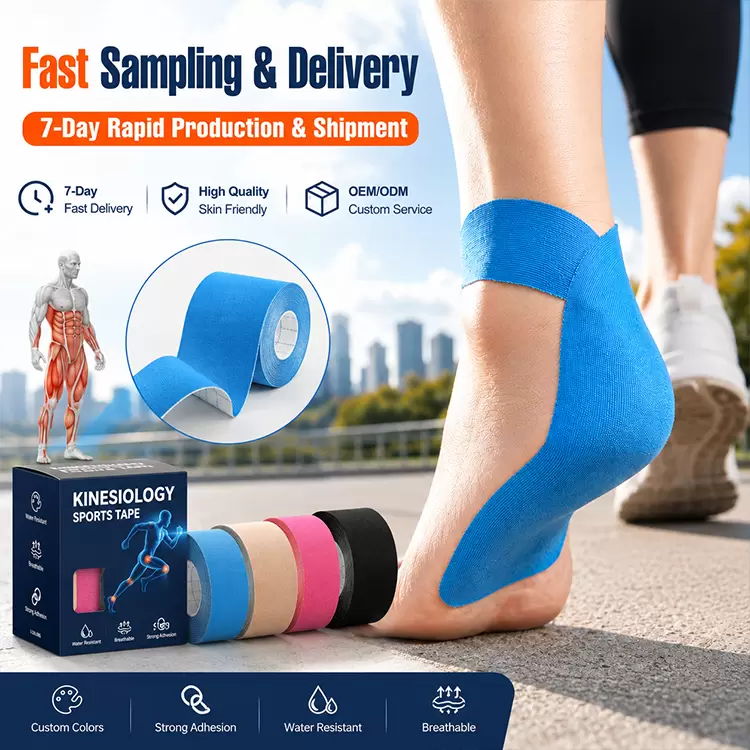
Medical grade kinesiology tape is an elastic adhesive tape designed to provide support while allowing a wide range of body movement. It is commonly used in sports rehabilitation, physical therapy, injury prevention programs, and muscle support applications.
Compared with conventional athletic tapes that mainly provide rigid fixation, kinesiology tape is designed with elasticity similar to human skin. This allows users to maintain flexibility while receiving external support during movement.
A professional medical grade kinesiology tape supplier needs to focus on several important product characteristics:
1. Skin-Friendly Adhesive Performance
Since kinesiology tape is usually applied directly to the skin for extended periods, adhesive safety is one of the most important considerations.
High-quality kinesiology tape typically requires:
Gentle adhesion suitable for prolonged wear
Stable bonding performance during exercise
Resistance to sweat and moisture
Easy removal without excessive skin irritation
The adhesive formulation must balance two requirements: strong enough to remain securely attached while being comfortable for users.
For medical and rehabilitation applications, suppliers need to carefully select adhesive materials and conduct production control to maintain consistency between different batches.
2. Elasticity and Stretch Recovery
The main difference between kinesiology tape and traditional adhesive tape is elasticity.
A reliable kinesiology tape product should provide:
Controlled stretching ability
Good recovery after deformation
Consistent tension performance
Comfortable support during movement
Different applications may require different elasticity levels. For example, professional athletes may need flexible support during high-intensity activities, while rehabilitation users may prefer comfortable and stable assistance during daily movement.
A qualified supplier should be able to adjust product specifications according to customer requirements, including fabric structure, elasticity, adhesive strength, and roll dimensions.
3. Breathable Fabric Structure
Breathability is another essential factor for kinesiology tape used in sports and healthcare environments.
Because the tape may remain attached for several days, the backing material should allow air circulation and help reduce discomfort caused by moisture accumulation.
Common backing materials include cotton blends and synthetic elastic fabrics. Each material offers different advantages in terms of flexibility, durability, and wearing comfort.
A professional manufacturer should understand how different fabric structures influence:
Why Choosing the Right Supplier Matters for B2B Buyers
For distributors, retailers, and healthcare product companies, purchasing kinesiology tape is not only about finding a product with competitive specifications. The supplier’s production capability, quality management, customization options, and delivery reliability are equally important.
Working with an experienced medical grade kinesiology tape supplier provides several business advantages.
Stable Product Quality and Batch Consistency
Medical and sports-related products require consistent quality. Small differences in adhesive strength, fabric elasticity, or coating thickness can affect the user experience.
A professional supplier with an established production system can control key manufacturing processes, including:
Raw material inspection
Adhesive coating
Laminating processes
Cutting and packaging
Finished product testing
This helps ensure that every shipment meets the expected standards.
For businesses selling products under their own brands, consistency is especially important because product complaints can directly influence market reputation.
Flexible Customization Capabilities
Different markets often have different requirements. A sports rehabilitation brand may need customized packaging and branding, while a medical distributor may require specific tape dimensions, colors, or labeling solutions.
A capable kinesiology tape supplier should offer customization services such as:
Dongguan Xingda New Material Technology Co., Ltd. provides customized adhesive tape solutions designed for different customer needs, supporting businesses that require specialized products rather than standard inventory items.
Key Factors to Evaluate a Professional Kinesiology Tape Supplier
When sourcing kinesiology tape products for commercial distribution, medical supply channels, or sports-related businesses, buyers need to evaluate suppliers beyond product appearance and basic specifications. A reliable medical grade kinesiology tape supplier should have comprehensive capabilities covering materials, manufacturing processes, quality management, customization, and supply chain support.
Choosing a supplier with strong technical knowledge can help companies avoid common issues such as inconsistent adhesion, poor elasticity, unreliable delivery schedules, and product performance differences between batches.
Material Selection: The Foundation of High-Quality Kinesiology Tape
The performance of kinesiology tape depends heavily on the combination of backing materials and adhesive systems. A professional supplier must understand how different materials influence product performance and user experience.
Elastic Fabric Selection
The fabric layer determines the flexibility, stretching ability, and wearing comfort of kinesiology tape.
Common considerations include:
Elastic recovery after stretching
Softness and skin contact comfort
Resistance to deformation
Breathability during extended use
High-quality elastic fabrics allow the tape to move naturally with the body while maintaining stable support. This is particularly important for applications involving sports activities, rehabilitation exercises, and physical therapy.
For businesses purchasing large quantities, material consistency is essential. Variations in fabric quality can result in differences in product elasticity and customer experience.
Adhesive Formulation Technology
The adhesive layer is one of the most technically important components of kinesiology tape.
A suitable adhesive system should provide:
Reliable adhesion during physical activity
Compatibility with different skin conditions
Resistance to sweat and moisture
Smooth application and removal
A professional medical grade kinesiology tape supplier needs to maintain strict control over adhesive coating processes. Factors such as coating thickness, curing conditions, and adhesive distribution directly influence the final product performance.
Poor adhesive control may lead to problems such as tape peeling during use, excessive residue after removal, or reduced user comfort.
Production Process Control for Reliable Kinesiology Tape Manufacturing
A stable production process is essential for suppliers serving international markets. Kinesiology tape production involves multiple steps, and each stage can affect the final product quality.
Fabric Preparation and Inspection
Before production begins, raw materials should be inspected to confirm they meet required specifications.
Important inspection items include:
Fabric thickness
Elasticity performance
Surface quality
Material consistency
Proper incoming material control provides a reliable foundation for the following production stages.
Precision Adhesive Coating
The adhesive coating process requires accurate control to ensure uniform distribution across the tape surface.
Key production factors include:
Coating thickness
Adhesive viscosity
Coating speed
Drying conditions
An uneven adhesive layer may affect bonding strength and product reliability. Therefore, experienced suppliers invest in appropriate equipment and process management to maintain consistent output.
Cutting and Packaging
After coating and curing, kinesiology tape is processed into different sizes and formats according to customer requirements.
Typical options include:
Standard rolls
Pre-cut strips
Customized shapes
Individual packaging
Packaging also plays an important role, especially for healthcare and retail applications. Proper packaging protects the product from contamination and helps maintain product quality during storage and transportation.
Quality Control Requirements for Medical Grade Kinesiology Tape
For companies purchasing kinesiology tape for professional applications, quality control is one of the most important supplier evaluation criteria.
A dependable supplier should have systematic inspection procedures covering raw materials, production processes, and finished products.
Adhesion Testing
Adhesion performance testing helps verify whether the tape can maintain reliable attachment during use.
Testing may evaluate:
Initial adhesion
Holding strength
Peel performance
Adhesive stability
The goal is to achieve a balance between secure attachment and comfortable removal.
Elasticity Testing
Elasticity testing ensures that the tape maintains expected stretching characteristics.
Important measurements include:
Stretch percentage
Recovery rate
Tensile strength
Consistent elasticity helps ensure that users receive predictable support during different activities.
Appearance and Defect Inspection
Visual inspection remains an important quality control step.
Suppliers should check for:
Uneven adhesive coating
Fabric defects
Edge damage
Packaging problems
These inspections help prevent defective products from entering the supply chain.
Applications of Medical Grade Kinesiology Tape Across Different Industries
The demand for kinesiology tape comes from multiple industries. Understanding application requirements helps businesses choose suitable products and suppliers.
Sports Medicine and Athletic Performance
Sports teams, athletes, and training centers commonly use kinesiology tape as part of their support equipment.
Applications include:
Muscle support during exercise
Sports injury prevention programs
Recovery assistance after training
Flexible joint support
Compared with rigid athletic tape, kinesiology tape allows greater freedom of movement, making it suitable for dynamic sports environments.
Physical Therapy and Rehabilitation
Rehabilitation professionals use kinesiology tape as part of recovery programs for different movement-related conditions.
Physiotherapy clinics often require products that provide:
For rehabilitation product distributors, selecting a professional supplier ensures stable product availability and consistent quality.
Consumer Healthcare Market
The increasing popularity of fitness activities has expanded the consumer market for kinesiology tape.
Retail brands often require:
A supplier capable of supporting customization can help brands create differentiated products in competitive markets.
Customization Services for Brand Owners and Distributors
Many businesses today are not simply looking for standard kinesiology tape products. They need solutions that match their brand positioning and target market.
A professional medical grade kinesiology tape supplier should provide flexible customization options.
Customized Product Specifications
Different customers may require different product parameters, including:
Tape width and length
Fabric materials
Adhesive characteristics
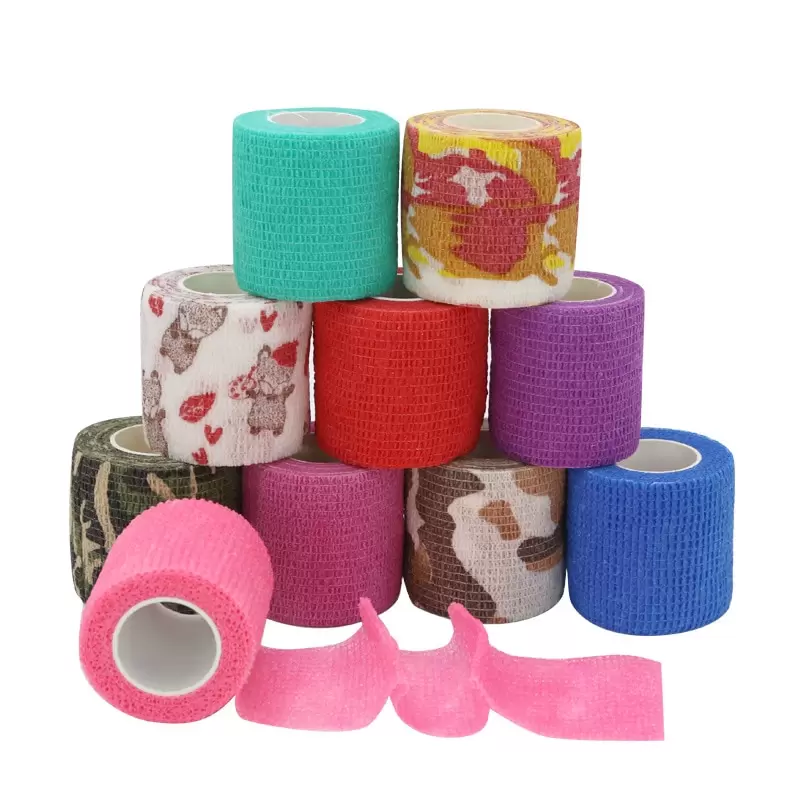
Product colors
Packaging formats
By adjusting specifications based on application requirements, suppliers can support different industries and market segments.
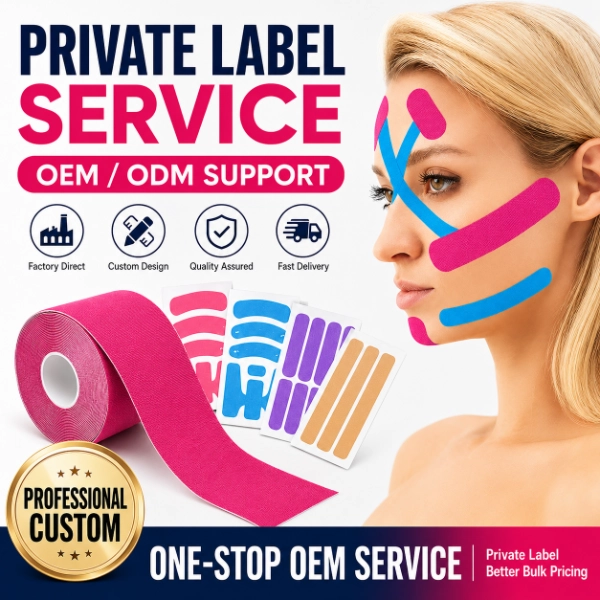
Private Label and Packaging Support
For healthcare brands and distributors, packaging is an important part of market development.
Customization options may include:
Brand logo printing
Customized labels
Retail packaging design
Instruction materials
A supplier with integrated production capabilities can simplify the supply chain by managing both product manufacturing and packaging requirements.
Why Xingda New Material Is a Reliable Partner for Kinesiology Tape Procurement
For companies searching for a dependable medical grade kinesiology tape supplier, supplier capability is not determined only by product range. Long-term cooperation requires strong production management, responsive communication, customization capability, and stable supply chain performance.
Dongguan Xingda New Material Technology Co., Ltd. has developed a comprehensive adhesive tape production system covering research and development, manufacturing, and sales. With experience in adhesive material applications, the company provides various adhesive tape solutions, including kinesiology tape, sport tape, athletic tape, sport bandage, duct tape, cloth-based adhesive tape, fiber mesh double-sided adhesive tape, kraft paper adhesive tape, golf grip double-sided adhesive tape, and customized special adhesive tapes.
This diversified product capability allows Xingda New Material to support customers from different industries, including sports protection, healthcare products, industrial applications, and consumer goods.
Integrated Production Capability Supports Stable Supply
For international buyers, supply reliability is a key factor when selecting a tape supplier.
A supplier with an integrated production chain can better control:
Raw material sourcing
Production scheduling
Quality inspection
Packaging processes
Shipment arrangements
Compared with suppliers relying on multiple external production partners, an integrated production system provides better consistency and faster response to customer requirements.
Xingda New Material focuses on improving production efficiency and maintaining stable manufacturing processes to support customers with reliable order fulfillment.
For distributors and brand owners, this means fewer supply interruptions and better control over inventory planning.
Advantages of Working with an Experienced Adhesive Tape Company
Technical Experience in Adhesive Materials
Adhesive tape performance depends on the combination of multiple technical elements, including backing materials, adhesive formulations, coating processes, and application environments.
A professional supplier needs practical experience in balancing these factors.
For example, kinesiology tape used in sports applications may require stronger moisture resistance, while products designed for rehabilitation markets may focus more on wearing comfort and skin-friendly performance.
An experienced supplier can provide recommendations based on the intended application instead of simply offering standard products.
Support for Different Market Requirements
Different countries and regions may have different expectations regarding healthcare and sports products.
International buyers may need support with:
A supplier familiar with global business cooperation can help customers reduce communication costs and improve procurement efficiency.
Xingda New Material serves customers with a customer-oriented approach, focusing on providing adhesive tape solutions that match specific business requirements.
How to Choose the Right Medical Grade Kinesiology Tape Supplier
Selecting a supplier is a strategic decision that can influence product reputation and business growth. Before cooperation, buyers should evaluate several important aspects.
1. Check Manufacturing Experience and Product Range
A supplier with experience in adhesive tape production usually has better knowledge of material performance and application requirements.
Buyers should review:
Product categories
Production capabilities
Industry experience
Customization options
A supplier offering multiple adhesive tape solutions may provide better technical support for future product expansion.
2. Evaluate Quality Management Systems
Quality management is essential for medical and sports-related products.
Potential customers should ask suppliers about:
Raw material inspection procedures
Production control methods
Finished product testing
Quality consistency measures
Reliable quality control helps ensure that products meet market expectations and reduces after-sales issues.
3. Consider Customization Capability
For companies developing their own brands, customization is often a major requirement.
A capable supplier should be able to provide:
This allows businesses to create differentiated products instead of competing only on standard specifications.
4. Evaluate Delivery Ability and Communication Efficiency
International procurement requires efficient communication and dependable logistics support.
Important factors include:
A supplier that understands international customer requirements can help create a smoother purchasing process.
Common Mistakes When Selecting a Kinesiology Tape Supplier
Many businesses focus only on price when purchasing adhesive tape products. However, the lowest-cost option does not always provide the best long-term value.
Choosing Based Only on Price
Low prices may sometimes indicate compromises in:
Material quality
Adhesive performance
Production control
Packaging standards
For healthcare and sports products, inconsistent quality can negatively affect customer trust.
Ignoring Application Requirements
Different applications require different tape characteristics.
For example:
Professional sports users may prioritize flexibility and durability.
Rehabilitation users may focus on comfort and skin compatibility.
Retail consumers may value convenience and appearance.
A supplier should understand these differences and recommend suitable solutions.
Overlooking Supplier Communication Ability
Good communication is important for customized products.
Misunderstandings regarding specifications, packaging, or delivery schedules can create unnecessary costs.
Working with a responsive supplier helps ensure that projects move forward efficiently.
Future Trends in the Kinesiology Tape Market
The kinesiology tape industry continues to evolve as consumer awareness of sports health, fitness, and rehabilitation increases.
Several trends are shaping future market development.
Increased Demand for Skin-Friendly Materials
Consumers are paying more attention to comfort and safety. This encourages suppliers to improve adhesive technologies and develop products suitable for longer wearing periods.
Growth of Customized Sports Healthcare Products
Brands are increasingly seeking differentiated solutions instead of generic products.
Customized colors, packaging, and product specifications allow companies to build stronger market recognition.
Expansion of Professional and Consumer Markets
Kinesiology tape is no longer limited to professional athletes. Increasing participation in fitness activities has expanded demand among general consumers.
This creates new opportunities for distributors, retailers, and healthcare product companies.
Conclusion: Partner with a Professional Kinesiology Tape Supplier for Long-Term Growth
Choosing the right medical grade kinesiology tape supplier requires careful evaluation of product quality, production capability, customization services, and supply chain reliability.
A professional supplier should provide more than adhesive tape products. It should offer technical support, stable manufacturing processes, and solutions that help customers succeed in competitive markets.
Dongguan Xingda New Material Technology Co., Ltd. combines adhesive material expertise with comprehensive production capabilities to support global customers seeking reliable kinesiology tape and customized adhesive tape solutions.
For businesses in sports medicine, rehabilitation, healthcare distribution, and consumer health markets, working with an experienced supplier can create a stronger foundation for product development and long-term cooperation.