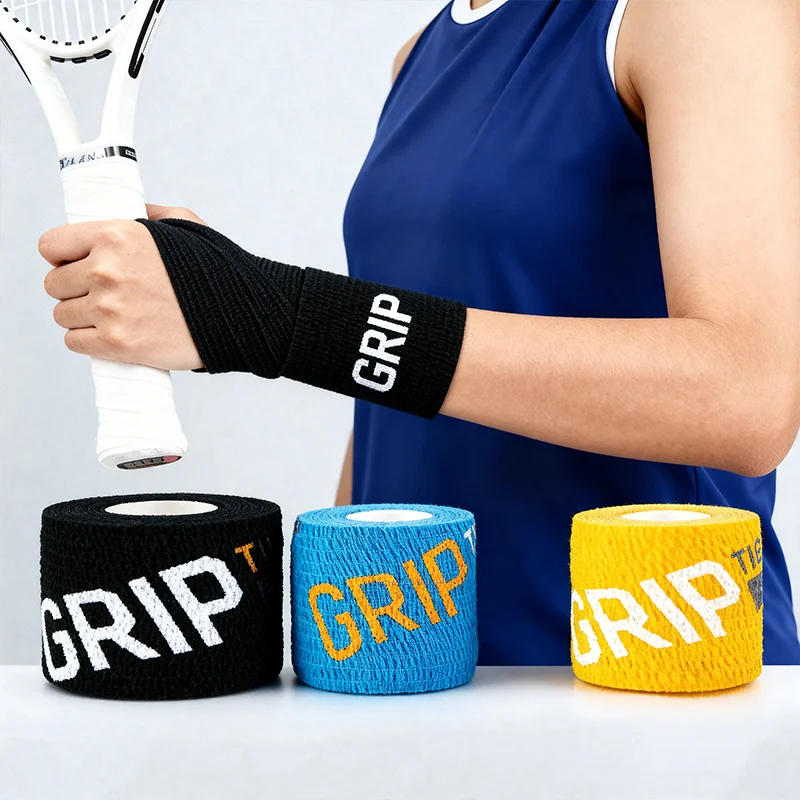
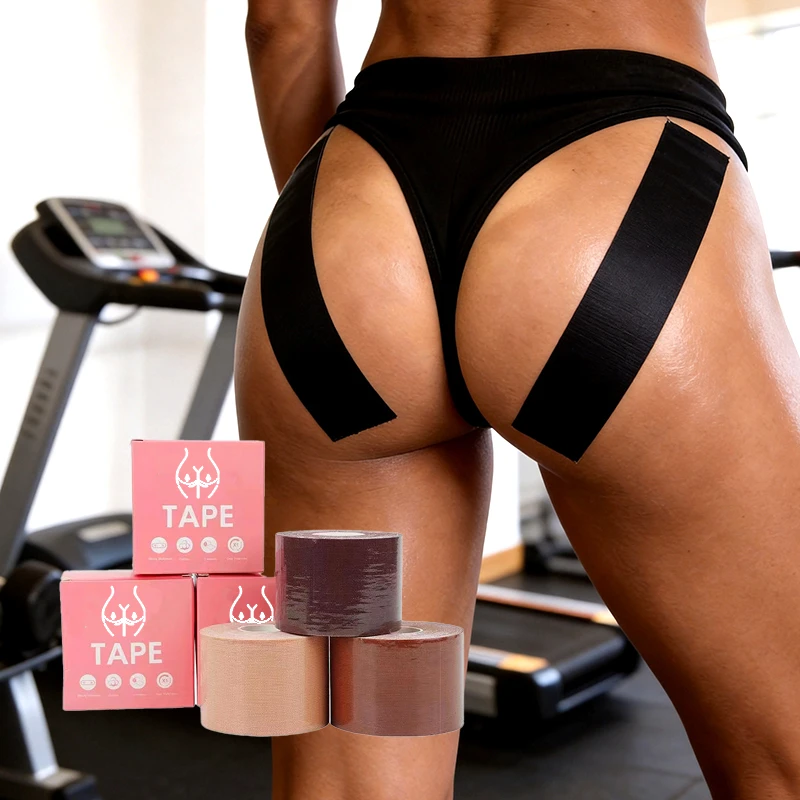
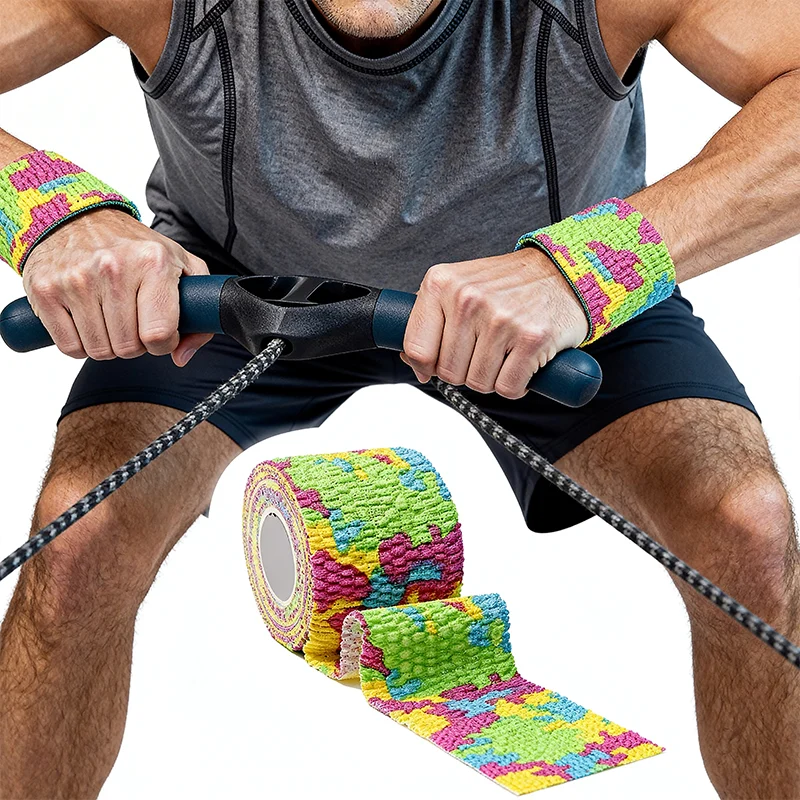
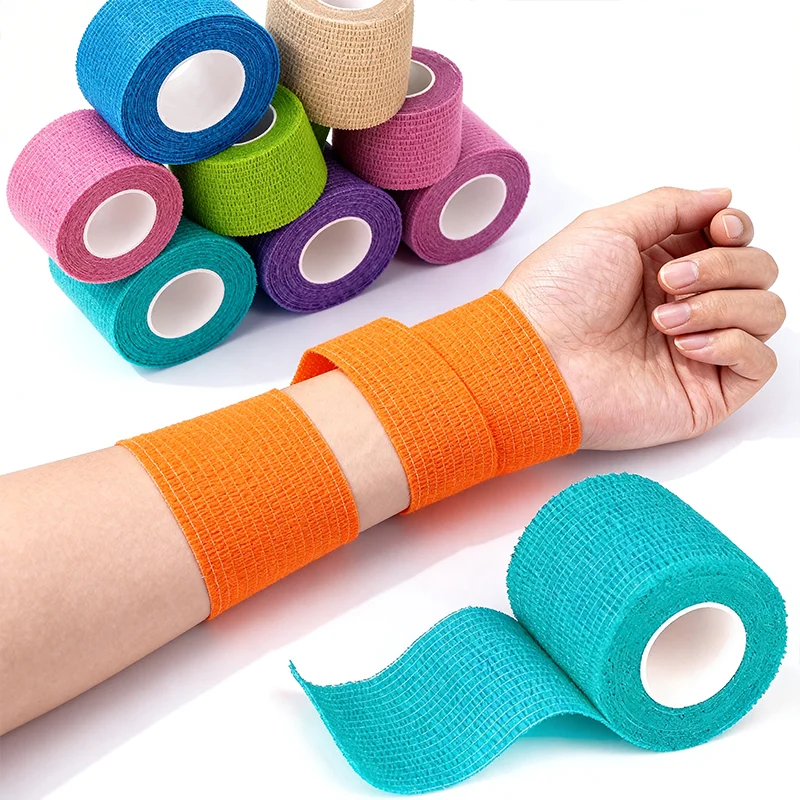
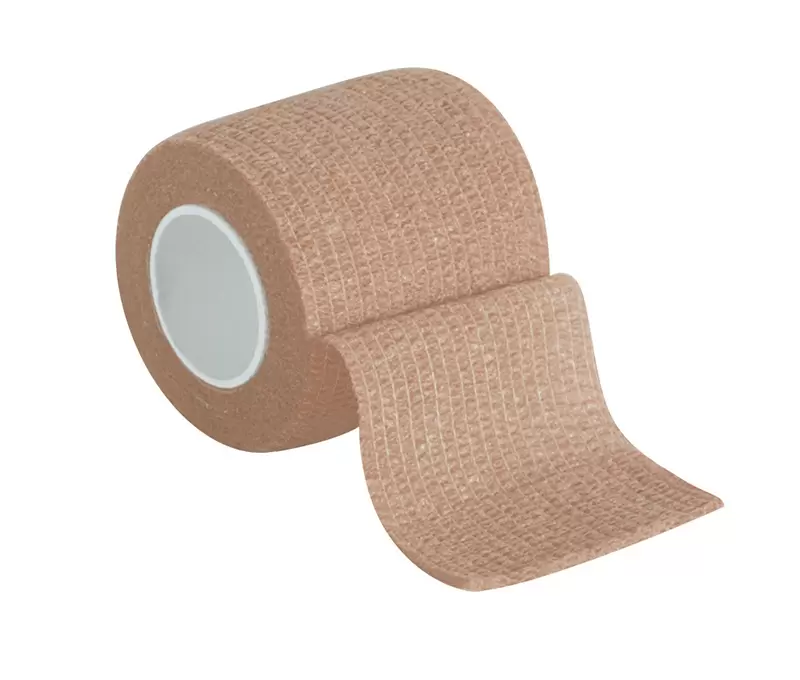
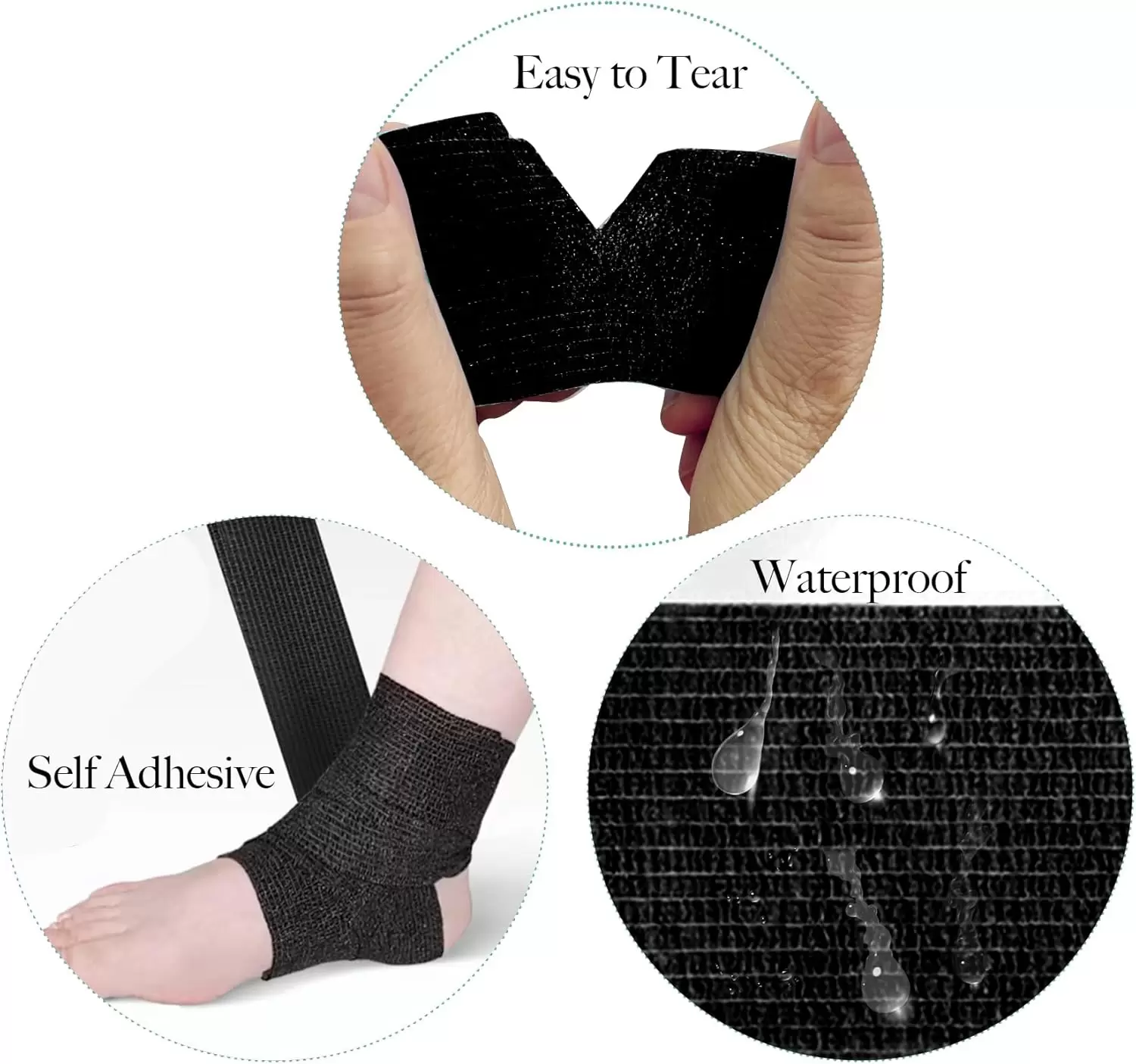
As a professional sports injury tape OEM supplier, we focus on delivering engineered kinesiology taping systems designed for high-load biomechanical environments. Modern athletic performance and rehabilitation demand more than basic fixation; they require stable joint support, controlled elasticity, skin-compatible adhesion, and sustained performance under prolonged motion stress. This article explains how advanced material architecture and precision manufacturing enable sports injury tape to maintain structural integrity, enhance muscular control, and reduce injury risk during extended physical exertion.
Unlike conventional athletic tapes that often fail under sweat saturation, repetitive flexion, or long-duration strain, our engineered sports injury tape integrates high-elastic cotton substrates and medical-grade hypoallergenic adhesive systems to ensure consistent performance for 6–8 hours of continuous wear without detachment, while maintaining breathable comfort and biomechanical responsiveness.
Introduction: Limitations of Conventional Sports Tape and the Engineering Gap
Traditional sports tape products widely used in the market typically suffer from three fundamental limitations:
Insufficient mechanical support under dynamic load
Many tapes rely on rigid or semi-elastic structures that fail to maintain consistent tension during repetitive joint movement, leading to reduced stabilization efficiency.
Poor adhesion stability under perspiration and friction
During high-intensity exercise, sweat accumulation and skin shear forces significantly degrade adhesive performance, resulting in edge lift, partial detachment, or complete failure.
Skin discomfort during extended wear
Low-grade adhesives or non-breathable backing materials often lead to irritation, overheating, or maceration, limiting safe wear time.
These limitations create a clear engineering gap between basic athletic tapes and performance-grade kinesiology taping systems. Our development approach as a specialized sports injury tape OEM supplier is designed to solve these problems at the material and process level rather than through surface-level adjustments.
Section 1: High-Elastic Sports Injury Tape and Its Biomechanical Role in Injury Prevention
The core functional value of sports injury tape lies in its ability to influence soft tissue biomechanics without restricting physiological motion. Our tape is engineered with a high-elastic cotton substrate with up to 170% elongation capacity, allowing it to replicate the elastic properties of human skin and fascia.
1.1 Joint Stabilization Through Elastic Tension Control
When applied correctly, the elastic recovery force of the tape provides:
Proprioceptive feedback enhancement: The skin mechanoreceptors are stimulated, improving neuromuscular awareness of joint position.
Micro-stabilization of joint structures: Particularly effective in dynamic joints such as knees, shoulders, and ankles, where micro-instability is a primary injury driver.
Load redistribution across soft tissue: Reduces localized stress concentration on ligaments and tendons.
Unlike rigid fixation methods, this system does not immobilize the joint but introduces a controlled tension field that guides movement within safer mechanical thresholds.
1.2 Muscle Support and Fatigue Mitigation Mechanism
The elastic architecture of the tape assists muscle groups by:
Reducing excessive muscle oscillation during repetitive contraction cycles
Improving venous and lymphatic return through skin lifting microchannels
Delaying onset of localized muscular fatigue by optimizing load distribution
This is particularly relevant in endurance-based or resistance-based training scenarios, where muscle overuse is a primary risk factor.
1.3 Injury Prevention at the Micro-Motion Level
Most sports injuries do not originate from a single traumatic event but from accumulated micro-strain. The tape acts as a biomechanical moderator by:
Limiting excessive joint deviation angles
Supporting tendon alignment under load
Reducing repetitive micro-tearing in soft tissue interfaces
This makes high-performance kinesiology tape a preventative rather than purely reactive intervention tool.
Section 2: Medical-Grade Adhesive System and Breathable Cotton Substrate Engineering
Material selection is the defining factor in determining both performance stability and skin compatibility. Our sports injury tape integrates two critical components: a medical-grade hypoallergenic pressure-sensitive adhesive (PSA) and a specially engineered breathable cotton fabric matrix.
2.1 Medical-Grade Low-Sensitivity Adhesive System
The adhesive layer is formulated to achieve a balance between:
High initial tack (quick skin anchoring)
Sustained cohesive strength under moisture exposure
Low irritation index for prolonged skin contact
Key engineering characteristics include:
Dermatologically tested hypoallergenic formulation
Stable adhesion under sweat, heat, and mechanical friction
Controlled peel strength to avoid skin trauma during removal
This adhesive system is specifically optimized to maintain structural integrity during 6–8 hours of continuous physical activity, including high-sweat and high-movement conditions.
2.2 High-Elastic Cotton Base Fabric
The substrate material is a critical determinant of breathability and elasticity. Our cotton matrix is engineered with:
Controlled fiber density for optimized air permeability
High elongation recovery (up to 170%)
Directional elasticity for biomechanically guided stretching
This structure ensures:
Continuous airflow to reduce skin heat accumulation
Moisture vapor transmission to prevent skin maceration
Stable elastic rebound for consistent mechanical support
2.3 Integration Between Adhesive and Substrate Layers
The lamination process between adhesive and fabric is tightly controlled through precision coating systems. This ensures:
Uniform adhesive distribution across the entire tape surface
Prevention of micro-bubble formation or weak adhesion zones
Consistent peel strength across production batches
This is a key differentiator in OEM manufacturing, where batch-to-batch variability directly affects brand reliability.
Section 3: Performance Validation and OEM Manufacturing Advantages
From a product engineering perspective, performance claims must be supported by measurable and repeatable manufacturing controls.
3.1 Verified Adhesion Stability: 6–8 Hours Continuous Wear
Our sports injury tape is engineered to maintain functional adhesion for 6–8 hours without edge lift or detachment, even under:
This is achieved through:
Optimized PSA viscoelastic properties
Controlled coating thickness
Surface micro-texture engineering on the cotton substrate
3.2 High Elasticity Performance: 170% Stretch Ratio
The 170% elongation capacity is not merely a material specification but a functional requirement enabling:
Anatomical conformity to complex joint geometry
Controlled recoil force generation for muscular support
Preservation of elastic integrity after repeated deformation cycles
This ensures consistent mechanical behavior across extended usage periods.
3.3 OEM/ODM Customization Capability as a Core Competitive Advantage
As a specialized sports injury tape OEM supplier, our production system is designed to support full-spectrum customization, including:
A. Dimensional Engineering
Custom widths (e.g., 2.5 cm, 5 cm, 7.5 cm, or proprietary formats)
Adjustable roll lengths for retail or clinical packaging
Precision die-cut pre-shapes for specific anatomical regions
B. Adhesive System Customization
Different tack levels (low, medium, high initial adhesion)
Skin sensitivity-optimized formulations
Sweat-resistant or ultra-breathable adhesive variants
C. Brand Integration and Packaging Engineering
Private label printing on tape backing
OEM packaging design (clinical, sports retail, rehabilitation branding)
Barcode and compliance labeling integration
D. Precision Manufacturing Processes
Our production line integrates:
High-precision adhesive coating systems
Automated tension-controlled fabric lamination
Laser-guided slitting and die-cutting systems
Batch-level QC for elasticity, adhesion strength, and air permeability
This ensures each roll of sports injury tape maintains strict consistency in:
Adhesive distribution uniformity
Elastic recovery performance
Surface smoothness and skin compatibility
3.4 Quality Consistency and Industrial Reliability
Consistency is a defining requirement in B2B procurement. Our quality control system ensures:
Batch-to-batch elasticity deviation within strict tolerance ranges
Adhesion strength validation under simulated sweat conditions
Randomized skin compatibility testing for irritation prevention
This engineering discipline is critical for brands that rely on OEM suppliers for scalable global distribution.
Section 4: Application in Rehabilitation and Performance Recovery Contexts
While not limited to any single use environment, the functional design of sports injury tape supports two primary physiological objectives:
4.1 Rehabilitation Phase Support
During post-injury recovery, controlled elastic support assists in:
Reducing stress on healing ligaments and tendons
Supporting corrective movement patterns during physiotherapy
Enhancing localized blood flow through skin lifting effects
4.2 Performance Optimization Under Fatigue Conditions
During prolonged exertion, the tape helps maintain:
Joint alignment under fatigue-induced instability
Muscular efficiency by reducing unnecessary oscillation
Neuromuscular feedback sensitivity for movement precision
This dual-function capability positions the product as both a preventive and rehabilitative tool.
FAQ (Featured Snippet Optimized)
1. What makes sports injury tape different from regular athletic tape?
Sports injury tape is elastic and biomechanically adaptive, allowing controlled joint movement while providing support. Unlike rigid athletic tape, it does not immobilize the joint but enhances proprioception and muscular efficiency.
2. How long does high-quality sports injury tape stay on the skin?
Engineered-grade kinesiology tape can maintain stable adhesion for 6–8 hours of continuous physical activity, depending on skin preparation, application method, and environmental conditions.
3. Why is cotton elasticity important in kinesiology tape?
A high-elastic cotton substrate (up to 170% stretch) allows the tape to conform to complex joint movements while maintaining consistent recoil force for support and stabilization.
4. What adhesive is used in professional sports injury tape?
Professional-grade tapes use medical hypoallergenic pressure-sensitive adhesives (PSA) designed for long wear, sweat resistance, and low skin irritation risk.
5. Can sports injury tape be customized for OEM branding?
Yes. As a sports injury tape OEM supplier, full customization is available, including roll dimensions, adhesive properties, packaging design, and private label branding.
Conclusion
High-performance sports injury tape is not simply an accessory product—it is an engineered biomechanical interface between skin, muscle, and movement. Through high-elastic cotton substrates, medical-grade adhesive systems, and precision-controlled manufacturing processes, our OEM production system delivers consistent, reliable, and performance-driven taping solutions.
As a specialized sports injury tape OEM supplier, our focus remains on enabling brands to deliver clinically relevant stability, breathable comfort, and long-duration adhesion performance that meets the demands of modern athletic and rehabilitation environments.