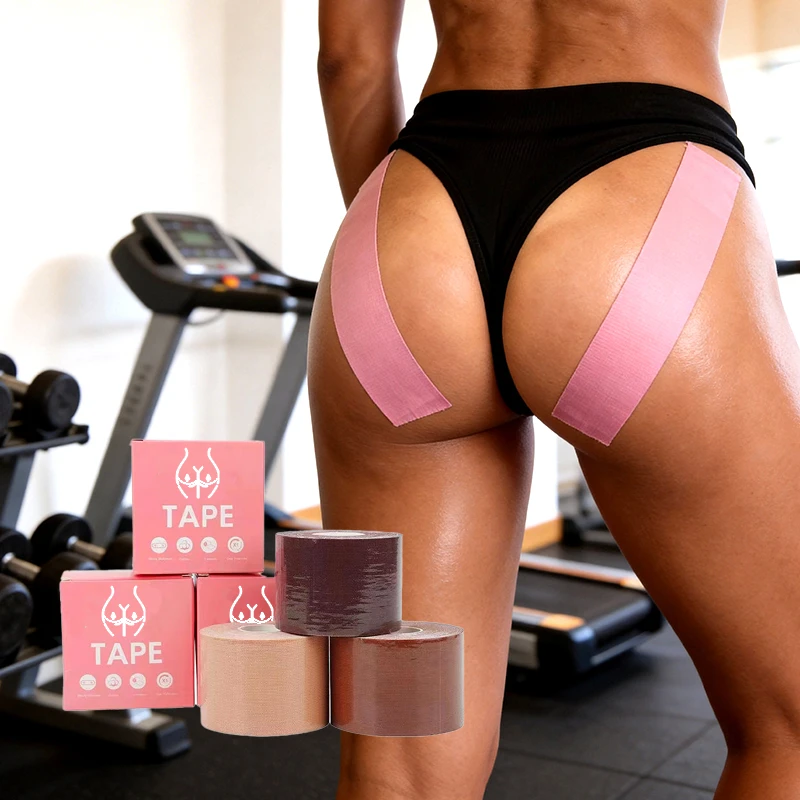
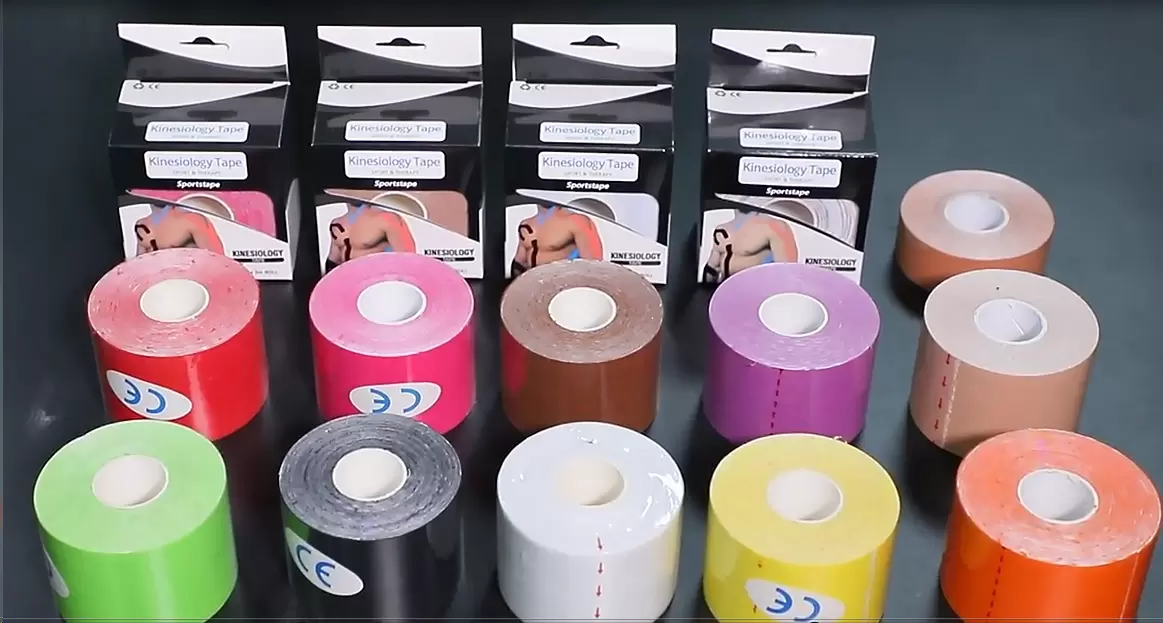
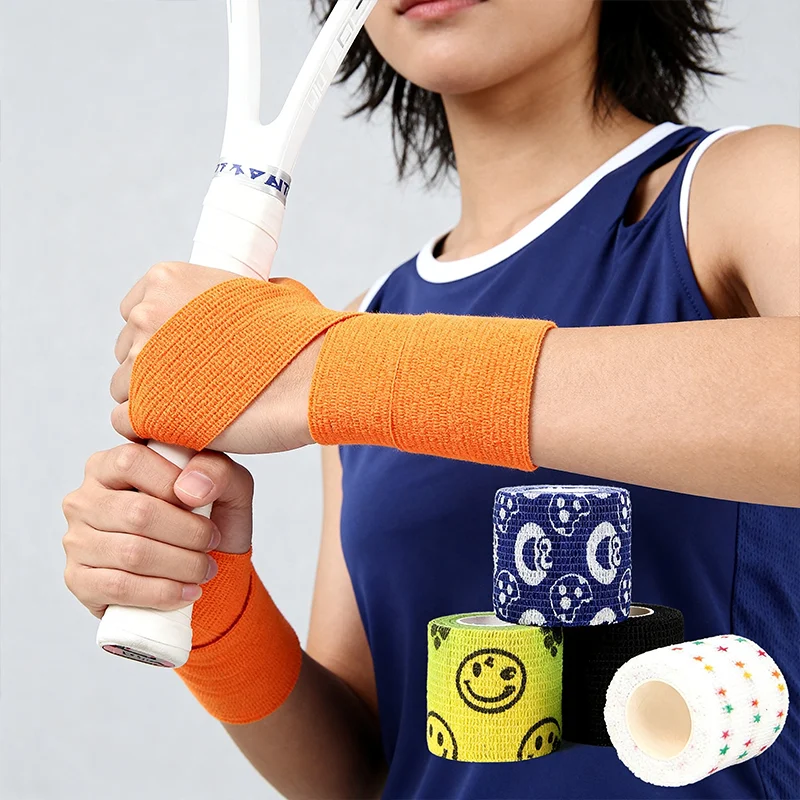
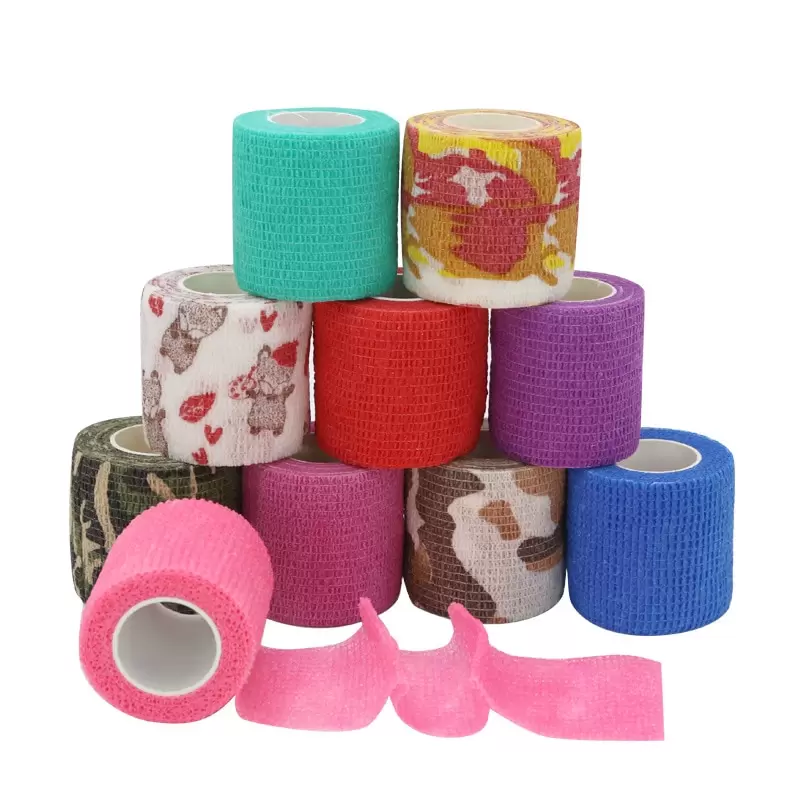
For sports brands, physiotherapy product distributors, and athletic recovery product companies, kinesiology tape for sports brands OEM has become one of the most stable and scalable product categories in the performance recovery market. Demand is driven by sports rehabilitation, injury prevention awareness, and the increasing adoption of sports taping in both professional and amateur athletics.
However, many buyers entering OEM sourcing for the first time underestimate how technical this product actually is. Differences in fabric structure, adhesive formulation, elasticity control, and production consistency directly affect usability, skin compatibility, and brand reputation.
This article breaks down how OEM kinesiology tape production works, what matters in supplier selection, and how sports brands can build a reliable private label product line with controlled cost and quality.
1. Why Sports Brands Are Investing in OEM Kinesiology Tape
The global sports recovery market has shifted from clinic-only usage to mainstream consumer fitness. As a result, kinesiology tape for sports brands OEM programs are expanding rapidly among:
Sportswear brands launching recovery accessories
Physiotherapy and rehabilitation clinics building private label lines
E-commerce fitness brands seeking high-margin add-on products
Distributors targeting gyms, teams, and retail chains
The appeal is straightforward: kinesiology tape is lightweight, inexpensive to ship, and easy to brand. It also supports recurring purchases because athletes often use multiple rolls per month.
For brands, the product category offers:
Strong branding surface (packaging + printed tape options)
Low manufacturing cost relative to retail price
High repeat purchase rate
Cross-selling potential with braces, wraps, and recovery tools
2. Core Material Structure in OEM Kinesiology Tape
Understanding the material system is essential before starting any kinesiology tape for sports brands OEM project. A typical kinesiology tape consists of three functional layers:
2.1 Cotton or Synthetic Fabric Base
Most OEM products use either:
Cotton (most common): breathable, skin-friendly, absorbs sweat
Rayon or synthetic blends: higher elasticity, smoother finish, more durable under moisture
Fabric selection affects elasticity recovery and wearing comfort. Sports brands targeting high-performance athletes often prefer rayon blends due to better rebound properties.
2.2 Medical-Grade Acrylic Adhesive
The adhesive is the most critical performance component.
Key parameters include:
Adhesion strength (initial vs long-term hold)
Skin irritation control (hypoallergenic requirement)
Heat activation (adhesive strengthens after application)
Water resistance (sweat and shower durability)
In OEM manufacturing, adhesive consistency is controlled through coating thickness and curing temperature. Poor control leads to edge lifting or skin residue issues.
2.3 Elastic Core Technology
Kinesiology tape is designed to mimic skin elasticity, typically:
This directional elasticity supports muscle movement without restricting circulation.
3. OEM Customization Options for Sports Brands
When developing kinesiology tape for sports brands OEM, customization is not limited to logo printing. A mature supplier should support multi-level branding and functional tuning.
3.1 Branding Customization
Common options include:
Logo printing on tape surface
Custom core colors (solid or patterned)
Branded release paper
Private label packaging (box, shrink wrap, display cartons)
Sports brands often align tape color systems with team identity or seasonal product lines.
3.2 Size and Cutting Formats
Standard OEM formats include:
5cm × 5m (most common retail size)
Pre-cut strips for clinical use
Finger, knee, and shoulder pre-shaped kits
Offering multiple SKUs improves retail flexibility.
3.3 Adhesive Sensitivity Levels
Depending on market requirements, OEM kinesiology tape can be adjusted for:
Sensitive skin (lower adhesive strength)
Sports performance (strong hold for sweat-heavy environments)
Water-resistant versions (triathlon, swimming recovery use cases)
4. Manufacturing Process Overview
A reliable kinesiology tape for sports brands OEM supplier should follow a controlled, repeatable process:
Step 1: Fabric Pretreatment
The base fabric is cleaned, stretched, and stabilized to ensure uniform elasticity.
Step 2: Adhesive Coating
Medical-grade adhesive is evenly applied using precision coating machines.
Step 3: Drying and Curing
Temperature-controlled ovens ensure adhesive bonding stability without degrading elasticity.
Step 4: Slitting and Cutting
Large rolls are cut into standardized widths (commonly 2.5cm, 5cm, or custom widths).
Step 5: Quality Inspection
Testing includes:
Step 6: Packaging and Branding
Final packaging is completed according to OEM requirements, including barcodes, instruction leaflets, and retail-ready boxes.
5. Quality Standards Sports Brands Should Require
If you are sourcing kinesiology tape for sports brands OEM, quality control should be defined before production begins.
Key standards include:
ISO 13485 (medical device quality management, preferred)
SGS or third-party skin irritation testing
Latex-free certification
RoHS compliance (for EU distribution)
Even if kinesiology tape is marketed as a sports product rather than a medical device, compliance improves retail acceptance and reduces regulatory risk.
6. Common OEM Mistakes to Avoid
Many new buyers make avoidable errors when launching a kinesiology tape for sports brands OEM program:
6.1 Over-focusing on Price
Low-cost tape often uses weak adhesive or inconsistent elasticity, leading to brand damage.
6.2 Ignoring Adhesive Testing
Without sweat and movement simulation testing, real-world performance failures are common.
6.3 Poor Packaging Strategy
Retail success depends heavily on packaging clarity, not just product quality.
6.4 Lack of SKU Planning
Successful sports brands usually launch multiple SKUs rather than a single tape option.
7. Applications Across Sports and Rehabilitation Markets
OEM kinesiology tape is widely used in:
Running and marathon training recovery
Gym strength training support
Basketball, football, and tennis injury prevention
Post-surgical rehabilitation clinics
Physiotherapy and chiropractic practices
The versatility is one reason kinesiology tape for sports brands OEM continues to grow as a category across both B2C and B2B channels.
8. How Sports Brands Should Evaluate OEM Suppliers
Before committing to a supplier, brands should evaluate:
Production consistency across batches
Adhesive formulation transparency
Ability to scale order volume
Customization flexibility
Lead time stability
Export experience and documentation support
A strong OEM partner should function not just as a manufacturer but as a technical extension of your product development team.
9. Conclusion
Building a successful product line around kinesiology tape for sports brands OEM requires more than selecting a low-cost factory. It requires understanding material science, adhesive engineering, compliance standards, and retail packaging strategy.
Sports brands that invest in proper OEM development typically gain:
Higher product reliability
Stronger brand differentiation
Better long-term customer retention
More stable supply chain performance
For companies like Xingda New Material, the real competitive advantage lies in combining controlled manufacturing processes with flexible OEM customization systems that meet the evolving demands of sports recovery markets.