Introduction
Kinesiology tape has become a standard consumable in sports medicine, rehabilitation therapy, and athletic training environments. Originally developed to support muscle and joint function without restricting movement, it is now widely used by physiotherapy clinics, sports teams, fitness centers, and medical distributors worldwide.
For B2B buyers—especially importers, brand owners, and healthcare suppliers—the product is no longer just a simple “sports tape.” It is a regulated, customizable medical-grade consumable with specific requirements in adhesive performance, fabric elasticity, skin compatibility, and OEM branding flexibility.
This article breaks down kinesiology tape from a manufacturing and procurement perspective, focusing on materials, production structure, application scenarios, and what buyers should evaluate when selecting a kinesiology tape manufacturer or OEM supplier.
1. What Is Kinesiology Tape and How It Works
Kinesiology tape (also called athletic kinesio tape, elastic therapeutic tape, or sports muscle tape) is a stretchable adhesive strip designed to mimic the elasticity of human skin. Unlike traditional rigid sports tapes, kinesiology tape does not limit joint mobility. Instead, it provides dynamic support to muscles and fascia.
The working principle is based on three mechanisms:
First, mechanical lift of the skin slightly improves microcirculation in the taped area. This helps reduce localized pressure and supports lymphatic drainage.
Second, the elastic recoil of the tape provides proprioceptive feedback, which helps athletes improve movement awareness and posture control during training or recovery.
Third, the adhesive layer stabilizes soft tissue without immobilizing the joint, making it suitable for both injury prevention and rehabilitation support.
Because of these functions, kinesiology tape for muscle support is widely used in sports medicine supplies, physiotherapy clinics, and orthopedic recovery programs.
2. Key Materials Used in Kinesiology Tape Manufacturing
A high-quality kinesiology tape is defined by its material system. Most performance differences between brands come from fabric composition, adhesive formulation, and coating precision.
2.1 Fabric Base
The most commonly used structure is a cotton-elastane blend, typically:
This combination provides:
High elasticity with controlled rebound
Skin-friendly softness for long-term wear
Breathability for sweat management
Stable deformation resistance after repeated stretching
Some kinesiology tape manufacturers also offer polyester-based versions for stronger durability and water resistance, especially for sports tape wholesale markets in humid regions or aquatic sports applications.
2.2 Medical-Grade Adhesive System
The adhesive layer is one of the most important components in elastic therapeutic tape production.
Most professional-grade products use a wave-pattern acrylic pressure-sensitive adhesive. This structure ensures:
Stable adhesion over 48–72 hours
Reduced skin irritation risk
Consistent stickiness under sweat and movement
Clean removal with minimal residue
For medical-grade kinesiology tape suppliers, hypoallergenic adhesive formulations are essential, especially for users with sensitive skin or post-surgical rehabilitation needs.
2.3 Release Paper (Liner Design)
Modern kinesiology tape rolls often use grid-pattern release paper. This improves:
Precision cutting for custom shapes
Ease of pre-cut designs (I-strip, Y-strip, X-strip)
Reduced waste during clinical application
Standardization for OEM pre-cut tape kits
This detail is particularly important for physiotherapy tape suppliers and OEM brands that sell ready-to-use kits.
3. Types of Kinesiology Tape Products in the Market
From a B2B procurement perspective, kinesiology tape is not a single SKU but a product family.
3.1 Standard Roll Kinesiology Tape
This is the most common form used in:
Typical specifications:
Length: 5 meters per roll
Width: 2.5cm / 5cm / 7.5cm / 10cm
Custom width available for OEM orders
3.2 Pre-Cut Kinesiology Tape
Pre-cut kinesiology tape strips are designed for convenience and clinical efficiency.
Common shapes include:
This format is widely used in sports rehabilitation tape kits and athletic training supplies.
3.3 OEM / Private Label Kinesiology Tape
For distributors and brand owners, private label kinesiology tape is the fastest-growing segment.
OEM options include:
Custom logo printing on tape surface
Branded packaging boxes
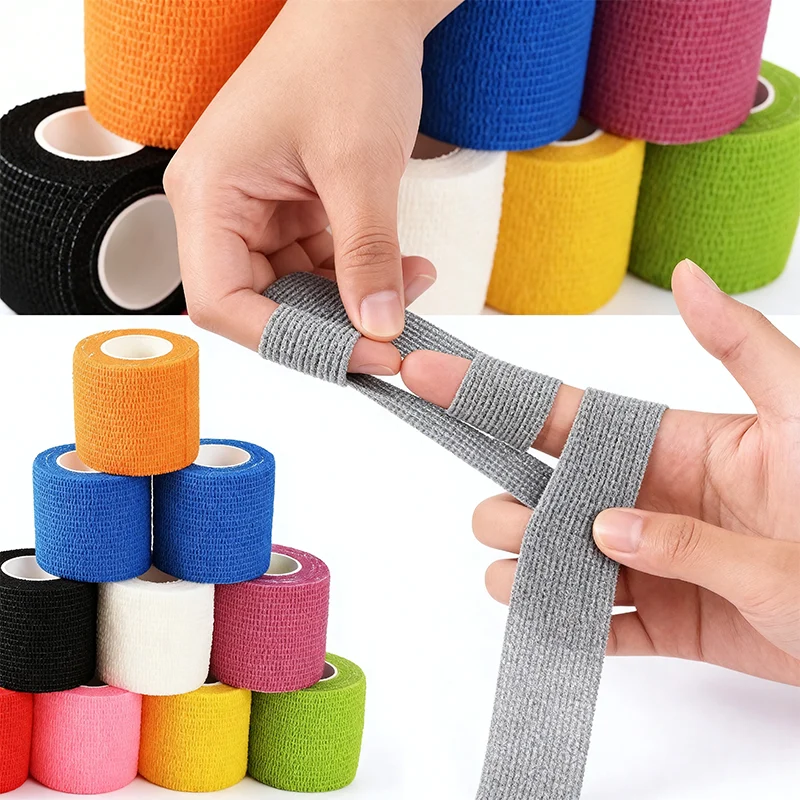
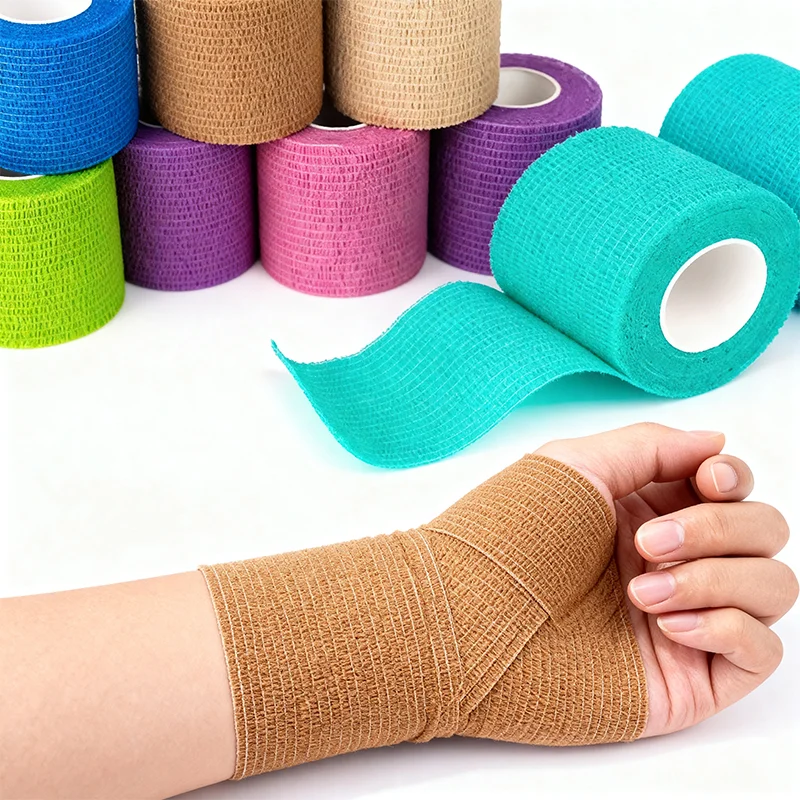
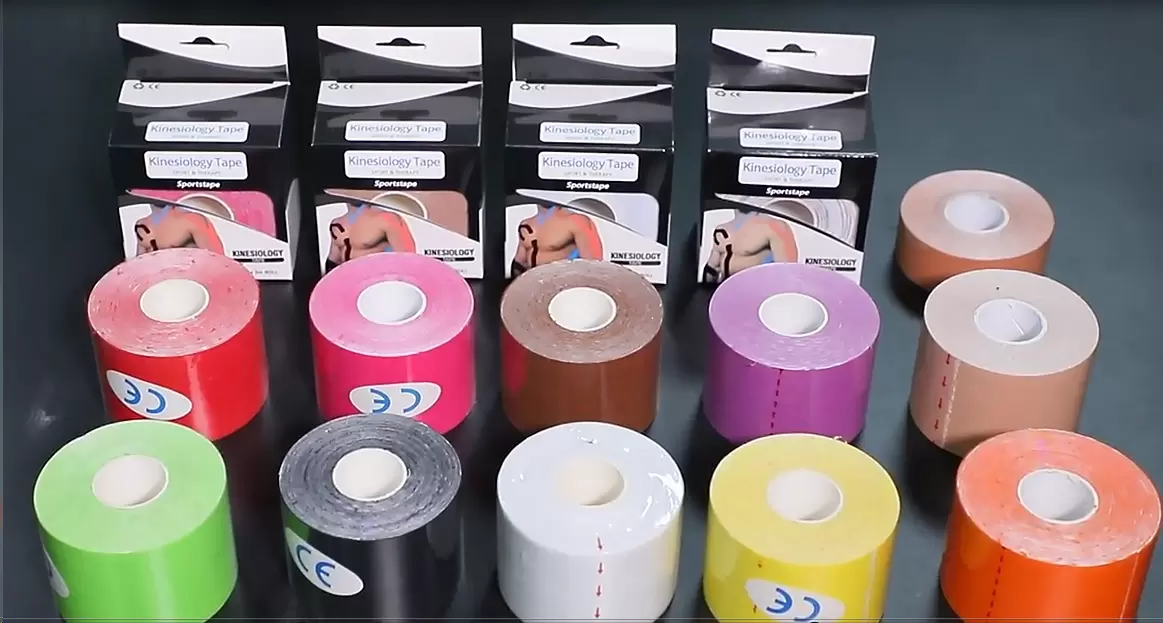
Color customization (skin tone, black, blue, pink, etc.)
Custom adhesive strength levels
Pre-cut design development
Many kinesiology tape OEM factories in China provide low MOQ production for Amazon sellers and cross-border e-commerce brands.
4. Functional Applications in Sports and Medical Fields
Kinesiology tape is widely used across multiple industries, each with specific application needs.
4.1 Sports Injury Prevention
Athletes use kinesiology tape for:
Common use areas include:
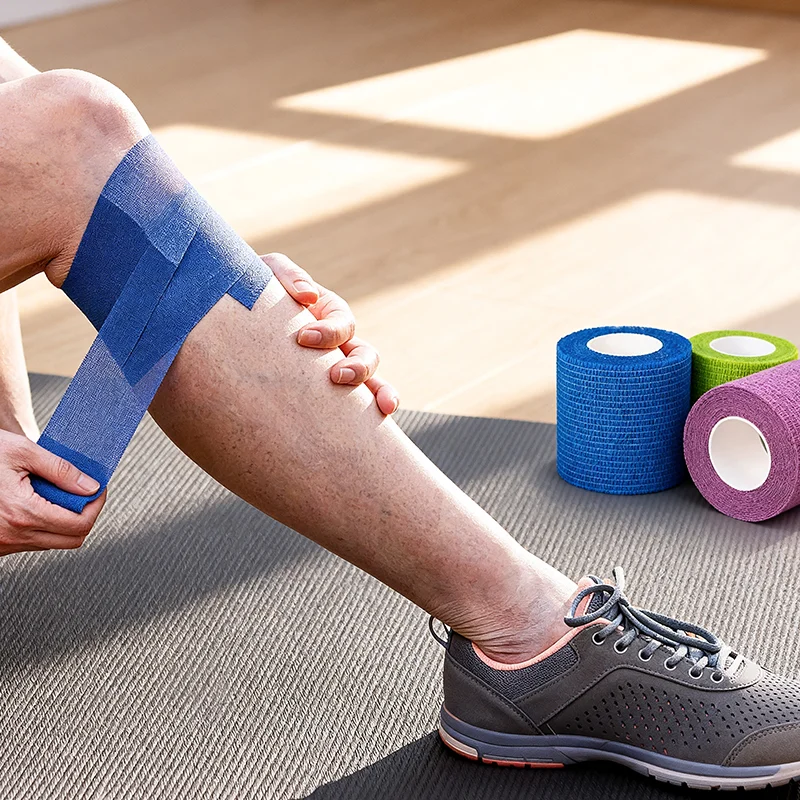
Knee kinesiology tape for runners
Shoulder support tape for weight training
Ankle taping for basketball and football athletes
4.2 Physiotherapy and Rehabilitation
In clinical environments, kinesiology tape is applied in:
Post-injury recovery programs
Soft tissue inflammation management
Lymphatic drainage therapy
Postural correction treatment
Physiotherapy clinics often purchase medical kinesiology tape in bulk rolls due to high daily consumption rates.
4.3 Orthopedic and Clinical Use
Orthopedic professionals use kinesiology tape as part of non-invasive support systems for:
Joint instability management
Post-surgical rehabilitation
Chronic pain relief programs
This segment requires CE certified kinesiology tape or equivalent regulated products depending on the destination market.
4.4 Fitness and Training Industry
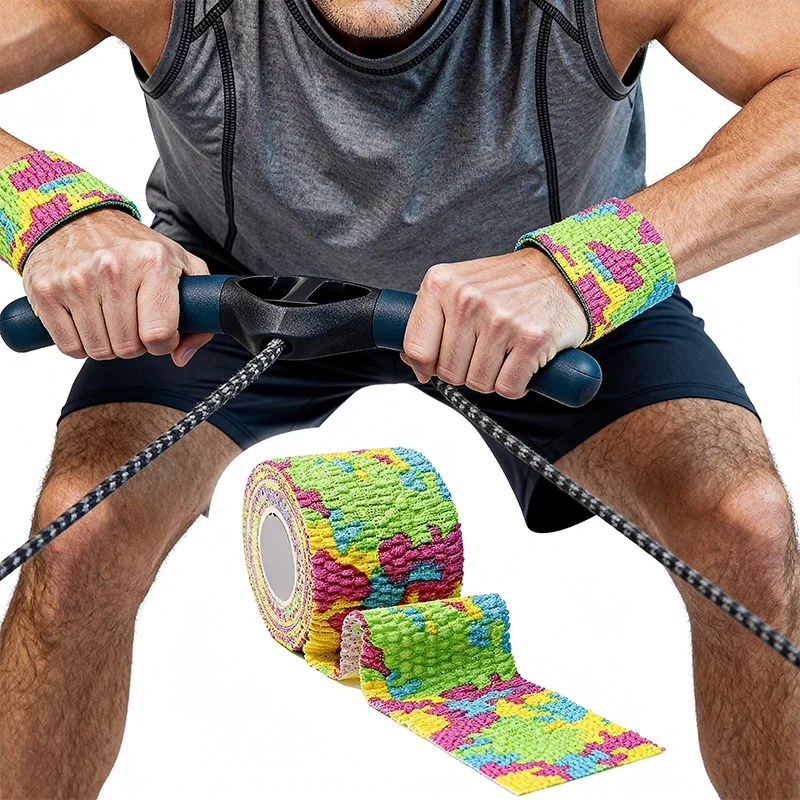
In fitness environments, kinesiology tape is used for:
Fitness centers and personal trainers often purchase athletic kinesio tape wholesale in mixed color sets for client application.
5. Performance Factors That Define Product Quality
For B2B buyers, understanding quality indicators is critical when selecting a kinesiology tape supplier.
5.1 Adhesion Stability
High-quality sports tape should maintain adhesion for 3–5 days under:
Poor-quality tape tends to peel at edges or lose elasticity after short use.
5.2 Elastic Recovery
A good elastic therapeutic tape should stretch up to 130–180% of its original length without permanent deformation.
This ensures consistent tension during movement.
5.3 Skin Compatibility
Hypoallergenic kinesiology tape is essential for:
Sensitive skin users
Pediatric applications
Long-term clinical use
Low-grade adhesives may cause redness, itching, or irritation, affecting product reputation in retail markets.
5.4 Breathability
Cotton-based kinesiology tape with mesh structure allows:
This is particularly important for sports medicine supplies used in hot climates.
6. OEM Manufacturing and Customization Options
From a manufacturing perspective, kinesiology tape OEM production is highly customizable.
6.1 Material Customization
Buyers can choose:
Cotton vs polyester base
Different spandex ratios
Thickness variations
6.2 Adhesive Formulation Options
Factories can adjust:
6.3 Color and Design Customization
Common OEM offerings include:
Skin tone kinesiology tape for invisible appearance
Sports color series (black, blue, red)
Brand-specific color systems
6.4 Packaging Solutions
Packaging options typically include:
Retail box packaging for e-commerce
Medical sterile packaging for clinics
Bulk export cartons for distributors
Custom packaging is essential for private label kinesiology tape brands competing on Amazon, Shopify, and regional distributors.
7. Global Market Demand and Distribution Channels
The demand for kinesiology tape for sports medicine has expanded globally due to increased awareness of injury prevention and non-invasive therapy.
Major distribution channels include:
Medical supply distributors
Physiotherapy clinics
Sports rehabilitation centers
Fitness equipment wholesalers
E-commerce platforms (Amazon, Shopify, Lazada)
In Europe and North America, CE certified kinesiology tape is often required for regulatory compliance. In emerging markets, bulk kinesiology tape wholesale supply is the dominant purchasing model.
8. How to Choose a Reliable Kinesiology Tape Manufacturer
For B2B buyers, selecting the right supplier is critical.
Key evaluation factors include:
Production capacity and stability
Adhesive formulation consistency
OEM customization capability
Quality certification (CE, ISO, FDA where applicable)
Export experience and logistics reliability
Sample lead time and mass production cycle
A reliable kinesiology tape factory should also offer:
Low MOQ for new brands
Fast sample development (7–10 days)
Stable bulk production (15–25 days)
Technical support for product design and application guidance
Conclusion
Kinesiology tape is no longer a niche sports accessory. It is now a widely adopted product across sports medicine, physiotherapy, fitness training, and medical rehabilitation industries.
For B2B buyers, success in this market depends on selecting a stable kinesiology tape manufacturer with strong OEM capabilities, consistent adhesive quality, and scalable production capacity.
As global demand continues to grow, brands that invest in private label kinesiology tape development and optimized supply chain sourcing will have a clear competitive advantage in both retail and institutional channels.