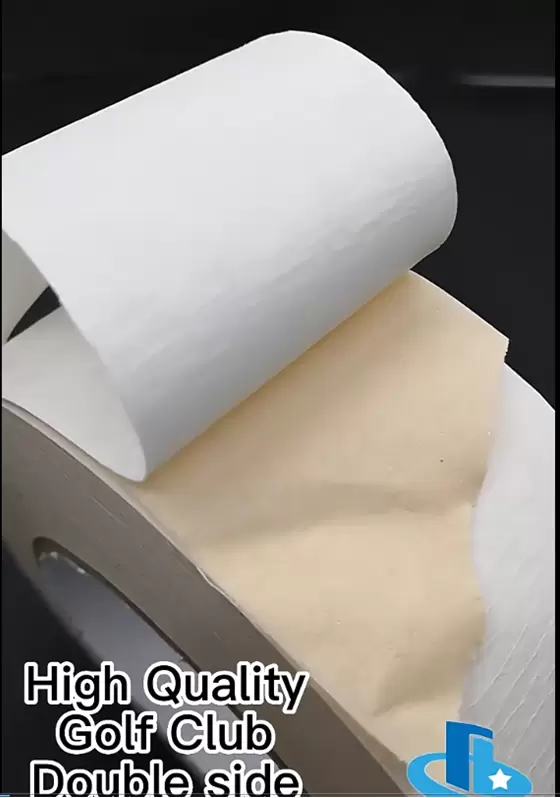
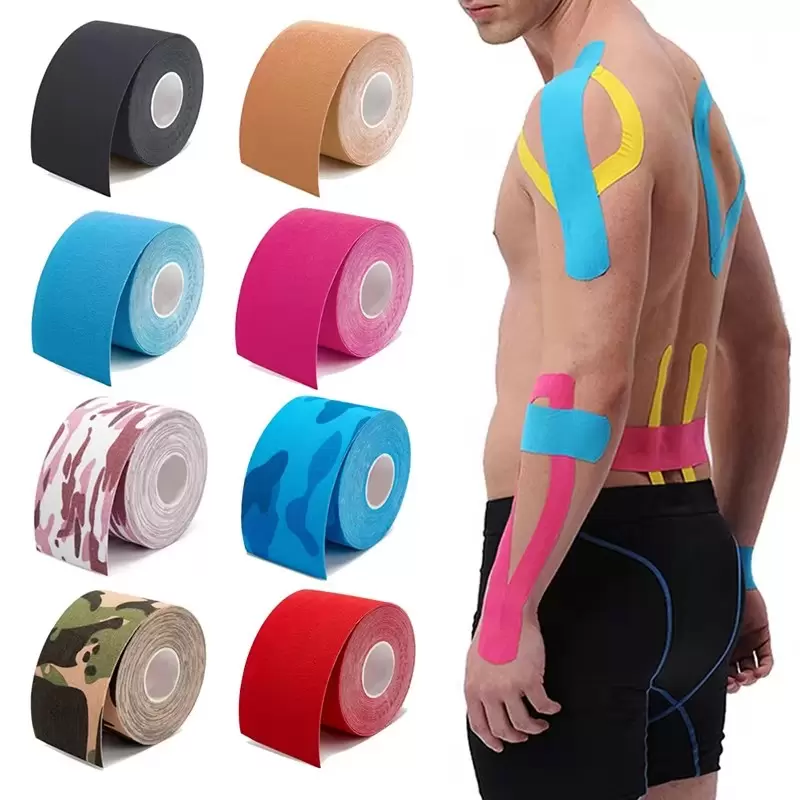
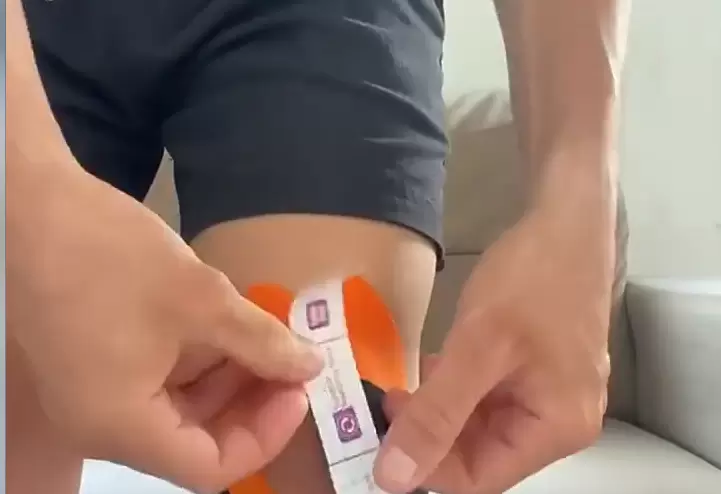
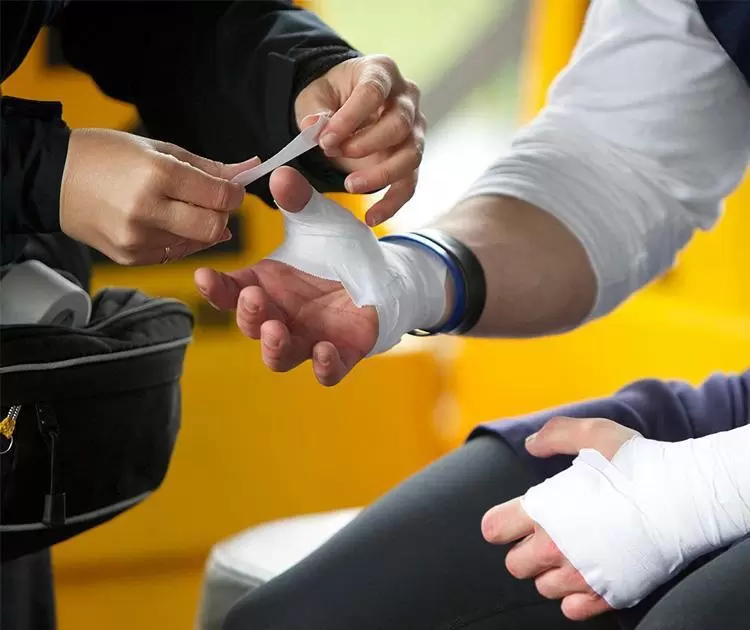
In the outdoor sports and adventure equipment market, small functional materials often determine whether a product performs reliably in real conditions. Among them, waterproof sealing solutions have become essential across hiking gear, cycling equipment, camping systems, and protective outdoor accessories. For brands and distributors searching for a stable waterproof tape for outdoor sports supplier, understanding material structure, adhesive chemistry, and application environments is critical before making sourcing decisions.
Xingda New Material focuses on functional adhesive materials designed for outdoor, industrial, and protective applications, with waterproof sealing tapes being one of the key product categories supplied to OEM and B2B markets.
This article breaks down how waterproof tapes are engineered, where they are used in outdoor sports, and what buyers should evaluate when selecting a supplier.
1. What Waterproof Tape Actually Does in Outdoor Sports Applications
Waterproof tape is not just “sticky tape that resists water.” In outdoor sports environments, it performs three core functions:
Sealing: Prevents water ingress at seams, joints, and stitching points
Protection: Shields fabric or equipment from abrasion, dust, and UV exposure
Structural reinforcement: Improves mechanical durability in high-stress areas
In real usage scenarios—such as tent seams during heavy rain, hydration packs under pressure, or cycling gear exposed to mud and water splash—failure of sealing materials leads directly to product breakdown or user discomfort.
A professional waterproof tape for outdoor sports supplier must therefore design products that maintain adhesion under dynamic stress, temperature variation, and continuous moisture exposure.
2. Material Composition and Why It Matters
Most waterproof tapes used in outdoor sports fall into three main structural categories:
2.1 TPU-Based Waterproof Tape
Thermoplastic polyurethane (TPU) is widely used due to its elasticity and abrasion resistance. It bonds well with synthetic fabrics such as nylon and polyester, which are common in outdoor gear.
Key advantages:
High flexibility at low temperatures
Strong bonding with heat-activated lamination
Good resistance to hydrolysis and UV aging
2.2 PU Coated Sealing Tape
Polyurethane coatings are commonly applied in rainwear, tents, and backpack liners.
Key advantages:
Soft hand-feel suitable for wearable gear
Stable waterproof barrier under pressure
Good compatibility with textile lamination processes
2.3 Hot-Melt Adhesive Film Systems
These are used for high-efficiency industrial bonding processes.
Key advantages:
Fast processing in automated production lines
Strong initial tack and uniform bonding
Suitable for mass manufacturing of sports equipment
A reliable supplier like Xingda New Material typically offers multiple formulations to match different substrate requirements, rather than a one-size-fits-all solution.
3. Key Performance Requirements for Outdoor Sports Use
When evaluating a waterproof tape for outdoor sports supplier, performance specifications matter more than marketing claims. The following parameters are commonly tested in B2B procurement:
3.1 Waterproof Rating
Outdoor sports applications often require resistance levels equivalent to hydrostatic pressure standards used in outdoor textiles. The tape must maintain seal integrity under prolonged water exposure, not just brief contact.
3.2 Peel Strength and Shear Resistance
Peel strength ensures the tape does not detach from fabric edges
Shear resistance ensures it holds under load, such as tension in backpacks or tents
3.3 Temperature Stability
Outdoor products are exposed to:
Sub-zero alpine environments
High-temperature desert conditions
Rapid temperature cycling
The adhesive system must remain stable without cracking or softening.
3.4 UV and Weather Resistance
Long-term outdoor use requires resistance to sunlight degradation. Poor UV stability leads to yellowing, brittleness, and adhesive failure.
4. Where Waterproof Tape Is Used in Outdoor Sports Equipment
Waterproof sealing materials are integrated across a wide range of outdoor sports products. Common applications include:
4.1 Hiking and Camping Equipment
4.2 Cycling and Motor Sports Gear
Waterproof bicycle frame bags
Protective covers for electronics
Helmet inner lining sealing
4.3 Water Sports Equipment
4.4 Winter Sports Apparel
In all these applications, waterproof tape is not visible to the end user but directly determines product reliability.
5. Manufacturing Considerations from a Supplier Perspective
A professional supplier in this field must maintain strict process control. Xingda New Material integrates production systems that typically involve:
5.1 Coating Precision Control
Uniform adhesive coating thickness is critical. Variations can cause inconsistent waterproof performance.
5.2 Lamination Technology
Heat and pressure parameters must be adjusted depending on fabric type. Incorrect lamination can weaken bonding strength or damage textiles.
5.3 Slitting and Dimension Accuracy
Outdoor equipment manufacturers often require:
Dimensional consistency directly impacts automated production efficiency.
5.4 Batch Testing
Each production batch should be validated for:
Without consistent testing, OEM customers cannot maintain product certification standards.
6. How to Evaluate a Waterproof Tape Supplier
When selecting a waterproof tape for outdoor sports supplier, B2B buyers should focus on practical evaluation criteria rather than catalog claims.
6.1 Material Customization Capability
Can the supplier adjust:
Adhesive formulation
Thickness
Elasticity
Color or transparency
Outdoor brands often require customization for different product lines.
6.2 OEM/ODM Support
Strong suppliers provide:
6.3 Stability of Supply Chain
Outdoor sports brands operate seasonally. Delays in material supply can disrupt entire product launches.
6.4 Compliance and Testing Documentation
Buyers should request:
Material safety data sheets (MSDS)
Environmental compliance reports
Adhesion and durability test reports
7. Common Problems in Low-Quality Waterproof Tape
Many procurement issues in outdoor manufacturing come from inconsistent materials. Common failure modes include:
Adhesive delamination after repeated washing
Loss of elasticity in cold environments
Edge lifting in high-humidity conditions
Poor bonding with coated fabrics
These failures are usually linked to unstable raw materials or insufficient lamination control during production.
8. Why Xingda New Material Is Positioned in This Market Segment
Xingda New Material operates in the functional adhesive materials sector with a focus on industrial and outdoor-grade applications. In the context of waterproof tape for outdoor sports supplier selection, the key value lies in:
Material engineering capability for different outdoor environments
OEM-oriented production flexibility
Consistent batch quality for large-scale manufacturing
Experience with textile and gear manufacturers
Rather than offering generic adhesive products, the focus is on application-specific performance tuning, which is critical in outdoor sports equipment production.
9. Practical Buying Checklist for B2B Buyers
Before placing bulk orders, procurement teams should verify:
Adhesion strength under wet and dry conditions
Compatibility with target fabric materials
Temperature resistance range
Aging test results (UV + humidity)
Production lead time and scalability
Customization options for product integration
A structured evaluation process reduces downstream failure risk and improves final product durability.
Conclusion
The role of waterproof sealing materials in outdoor sports manufacturing is often underestimated, yet it directly impacts product reliability, brand reputation, and user safety. Choosing the right waterproof tape for outdoor sports supplier requires a technical understanding of materials, manufacturing consistency, and application-specific performance.
Companies like Xingda New Material serve as upstream partners in this value chain, supporting outdoor brands with engineered adhesive solutions designed for real environmental stress rather than controlled lab conditions.
For OEMs and distributors, the key is not just sourcing waterproof tape—but sourcing a material system that performs consistently across seasons, terrains, and product categories.