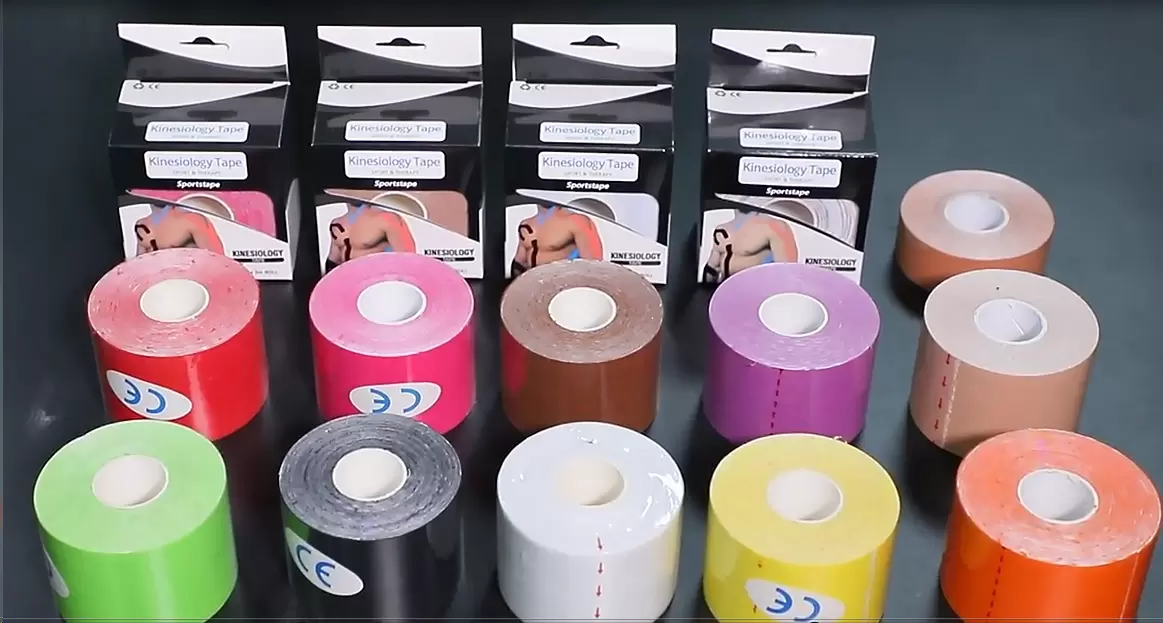
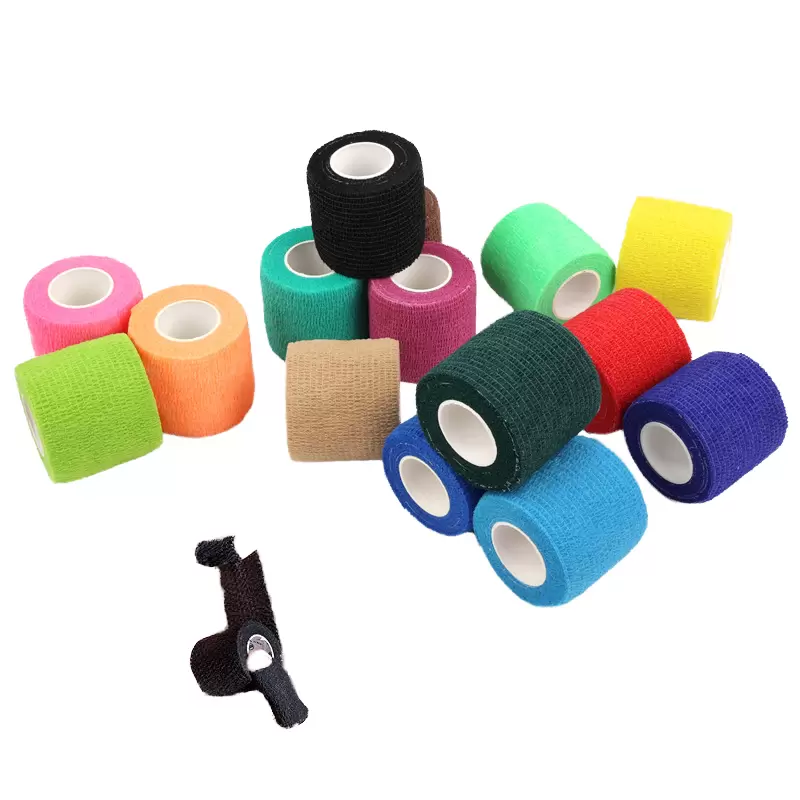
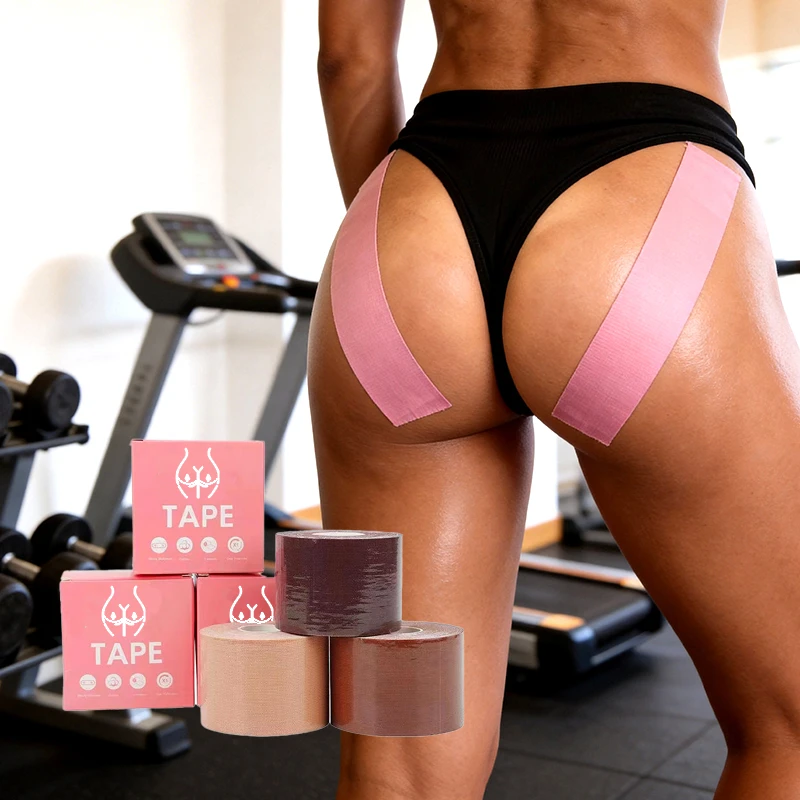
In the sports medicine and rehabilitation supply chain, kinesiology tape has become a standard product used by clinics, physiotherapists, sports brands, and OEM distributors. However, not all products on the market are manufactured to the same standard. For buyers sourcing at scale, selecting a medical grade kinesiology tape factory is not just a pricing decision—it directly impacts product safety, consistency, and long-term brand reputation.
Xingda New Material works with global B2B clients who require stable production, regulatory-aligned materials, and repeatable adhesive performance across batches. This article breaks down what actually matters when evaluating a supplier, how manufacturing quality is controlled, and what separates a true medical-grade production line from general sports tape production.
1. What “Medical Grade” Actually Means in Kinesiology Tape Manufacturing
The term “medical grade kinesiology tape factory” is often used loosely in the industry, but in practice it should refer to manufacturers that can consistently control three core variables:
1.1 Skin-safe adhesive system
Medical-grade kinesiology tape uses acrylic or hypoallergenic pressure-sensitive adhesives (PSA) designed for prolonged skin contact (typically 3–7 days wear time). A qualified factory must ensure:
No latex content
Low-irritation adhesive formulation
Stable viscosity across temperature and humidity changes
Controlled coating thickness (micron-level consistency)
1.2 Breathable elastic substrate
The base fabric is usually cotton, rayon, or synthetic blends with controlled elasticity (typically 130%–180% stretch range). A stable medical grade kinesiology tape factory must ensure:
Consistent warp/weft tension during weaving
Uniform elasticity recovery rate
Moisture permeability for sweat management
No fiber shedding after cutting or stretching
1.3 Biocompatibility and safety compliance
For export markets, especially EU and North America, manufacturers must align with:
ISO 13485 (medical device quality management system)
ISO 10993 (biocompatibility testing standards)
RoHS / REACH chemical compliance (depending on market)
Even if kinesiology tape is classified differently by region, buyers expect documentation from a legitimate medical-grade supply chain.
2. Inside the Production Process of a Medical Grade Kinesiology Tape Factory
Understanding production flow helps buyers evaluate whether a supplier is truly capable of scale manufacturing without quality drift.
2.1 Yarn selection and fabric knitting
The process begins with raw yarn selection. High-quality kinesiology tape typically uses combed cotton or synthetic elastic fibers. The knitting stage determines:
Factories that cut corners here often produce tapes that lose elasticity after 1–2 uses.
2.2 Dyeing and color stability treatment
Color is not just cosmetic. Poor dyeing affects skin safety and adhesive performance. A professional medical grade kinesiology tape factory will use:
Reactive dye systems (for cotton-based fabrics)
High-temperature fixation to prevent bleeding
Skin-safe pigments certified for prolonged contact
Colorfastness testing (washing, sweat, UV exposure) is standard in serious production lines.
2.3 Adhesive coating technology
This is the most critical stage.
A high-end production line uses:
Dot-pattern adhesive coating (not full-surface coating)
Controlled adhesive density zoning
Heat-curing tunnels for bonding stability
The dot pattern is essential because it allows skin breathability while maintaining consistent grip. Poor factories often apply uneven adhesive layers, leading to peeling edges or skin discomfort.
3. Quality Control Standards That Matter for B2B Buyers
When evaluating a medical grade kinesiology tape factory, buyers should not rely on marketing claims alone. Instead, focus on measurable QC checkpoints.
3.1 Adhesion strength consistency test
Each batch should be tested for:
Initial tack (how quickly it adheres)
Peel strength after 24h, 48h, 72h
Residual adhesive after removal
Stable performance across time is more important than high initial stickiness.
3.2 Elastic recovery rate testing
Medical-grade tape must maintain elasticity after repeated stretching cycles. Factories should test:
3.3 Skin irritation and patch testing
Although not always mandatory for export, reputable factories conduct:
This is especially important for brands targeting physiotherapy clinics or hospitals.
3.4 Roll consistency and die-cut precision
For OEM buyers, product uniformity matters:
4. OEM and Private Label Capabilities
Most buyers searching for a medical grade kinesiology tape factory are not just buying bulk rolls—they are building branded product lines.
A capable factory should support:
4.1 Custom specifications
Width: 2.5cm / 5cm / 7.5cm / 10cm
Length: 5m / 10m / custom rolls
Stretch ratio adjustment based on application
Different adhesive strengths for sports vs medical use
4.2 Branding and packaging options
Professional OEM services include:
Printed backing paper with brand logos
Custom box packaging for retail distribution
Multi-language labeling for export markets
Barcode and SKU integration for Amazon/retail systems
4.3 Low MOQ flexibility
For new brands, MOQ flexibility is critical. Reliable factories usually support:
Trial orders for market testing
Small batch customization
Scalable production once demand stabilizes
5. Common Manufacturing Problems Buyers Should Watch For
Even experienced buyers can face quality issues when working with non-specialized suppliers. The most common problems include:
5.1 Adhesive migration
Poor curing leads to adhesive seepage, causing sticky residue on skin or packaging contamination.
5.2 Elastic fatigue
Low-quality fabric loses tension after a few hours of use, reducing therapeutic effectiveness.
5.3 Inconsistent batch color
Different dye batches can result in visible shade differences, which is a problem for retail branding.
5.4 Weak edge bonding
If the adhesive is not properly bonded at fabric edges, peeling begins within hours of application.
A reliable medical grade kinesiology tape factory implements preventive QC rather than post-production inspection alone.
6. Application Markets and Demand Trends
Understanding end-use markets helps buyers position their product lines more effectively.
6.1 Sports rehabilitation
Used for muscle support, injury prevention, and recovery enhancement. Demand is strong in:
6.2 Medical and physiotherapy use
Clinics use kinesiology tape for:
This segment requires higher compliance and consistency standards.
6.3 Consumer wellness market
Retail demand is growing through:
7. How to Evaluate a Medical Grade Kinesiology Tape Factory Before Ordering
Before committing to a supplier, buyers should request:
Material specification sheets (fabric + adhesive)
Compliance certificates (ISO, RoHS, etc.)
Sample rolls from multiple production batches
Aging test reports (adhesion over time)
OEM capability portfolio (packaging + branding examples)
Factories that hesitate to provide technical documentation are usually not suitable for long-term supply agreements.
8. Why Xingda New Material Focuses on Stable Industrial Production
As a specialized medical grade kinesiology tape factory, Xingda New Material emphasizes repeatability over short-term customization hype. The goal is not just to produce tape, but to maintain consistent mechanical and adhesive behavior across every shipment.
This includes:
Controlled raw material sourcing
Standardized adhesive coating systems
Batch traceability for export clients
Continuous production line calibration
For B2B buyers, this consistency is what ultimately protects downstream brand reputation.
Conclusion
Choosing a medical grade kinesiology tape factory is fundamentally a risk management decision. Price matters, but it is secondary to consistency, compliance, and process control. Buyers who evaluate suppliers based on production transparency, testing systems, and OEM capability are far more likely to build stable long-term product lines.
For brands entering the sports medicine or rehabilitation market, working with a factory that understands both manufacturing detail and export requirements is essential—not optional.