Introduction
In the global sports medicine and rehabilitation supply chain, kinesiology tape has evolved from a niche athletic accessory into a standardized consumable used in clinics, sports teams, physiotherapy centers, and fitness facilities. As demand grows, product differentiation is increasingly driven by safety, material consistency, and skin compatibility rather than just elasticity or branding.
For manufacturers such as Xingda New Material, the focus is no longer only on producing athletic tape, but on delivering reliable, skin-safe solutions—especially in the segment of hypoallergenic kinesiology tape, which has become a key requirement for medical distributors and private label brands entering regulated markets.
This article provides a practical, manufacturing-oriented breakdown of kinesiology tape: what it is, how hypoallergenic formulations are achieved, how materials affect performance, and what B2B buyers should evaluate when sourcing from a kinesiology tape manufacturer or OEM supplier.
1. What Is Kinesiology Tape and Why Hypoallergenic Performance Matters
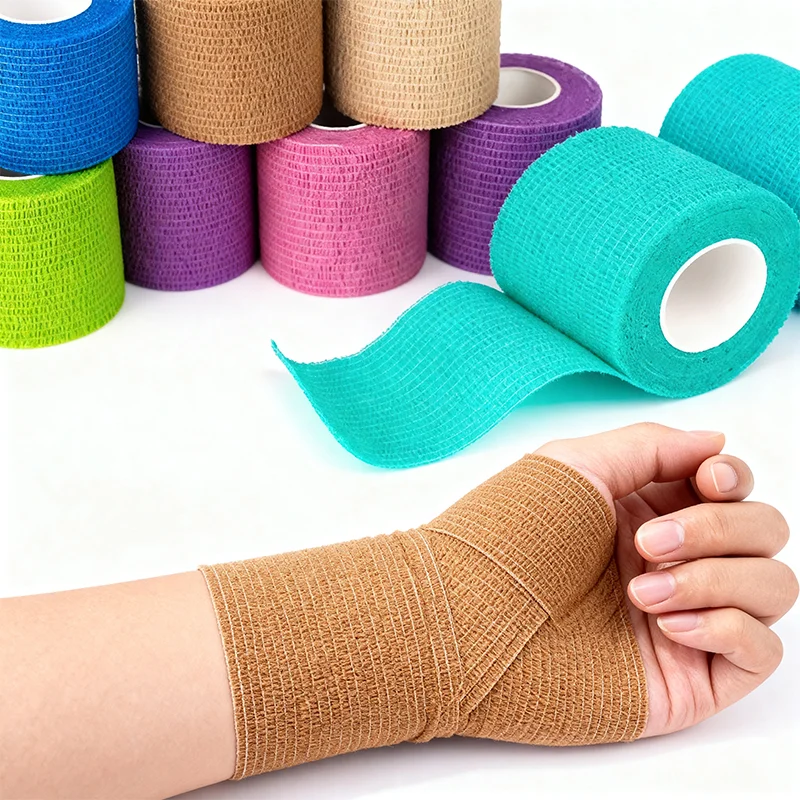
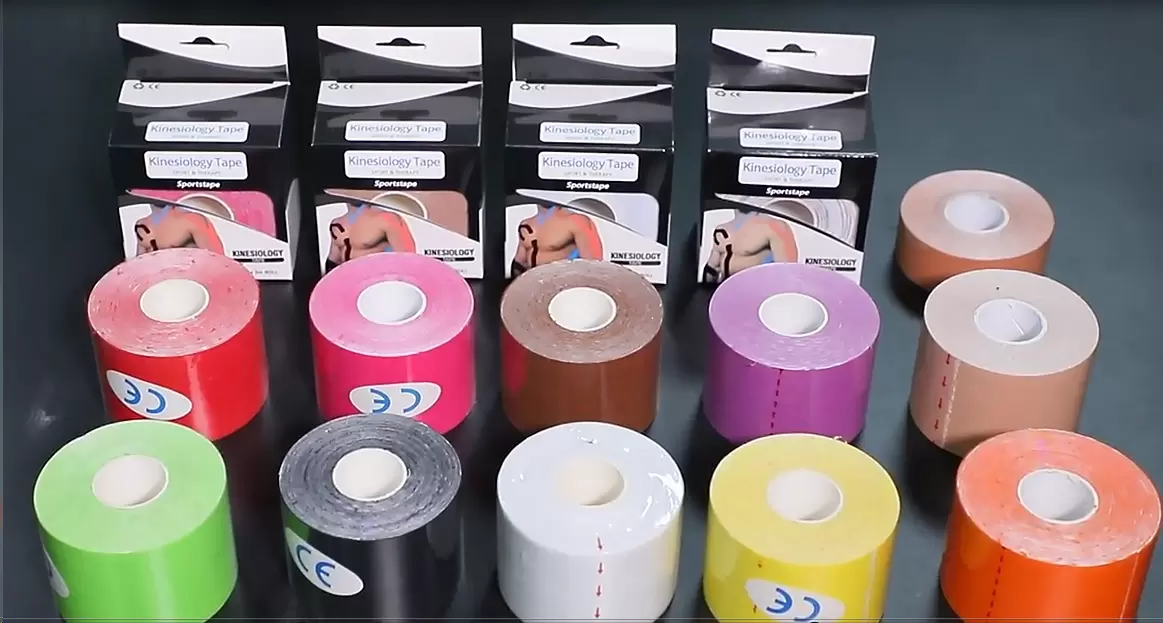
Kinesiology tape (also referred to as athletic kinesio tape, sports muscle tape, or elastic therapeutic tape) is a stretchable adhesive strip designed to support muscles and joints without restricting movement.
Unlike rigid sports tape, kinesiology tape works through elastic recoil and skin-lifting mechanics. When applied correctly, it can:
Reduce localized pressure on soft tissue
Support muscle activation and proprioception
Assist lymphatic drainage
Improve movement awareness during rehabilitation
However, as global usage expands into long-term wear applications, skin compatibility has become a critical factor. This is where hypoallergenic kinesiology tape becomes essential.
Hypoallergenic design is not a marketing label—it is a material engineering requirement that directly affects:
Skin irritation risk
Redness or itching after prolonged wear
Clinical suitability for rehabilitation patients
Compliance in EU and North American markets
For distributors and OEM brands, hypoallergenic performance is often the first qualification requirement before price or packaging is even considered.
2. Core Material Structure of Kinesiology Tape
A stable kinesiology tape system consists of three functional layers:
2.1 Elastic Fabric Base
The most commonly used structure in professional-grade kinesiology tape is a cotton-spandex blend:
95% cotton
5% elastane (spandex)
This structure provides:
Controlled elasticity (typically 130–180% stretch capacity)
Breathability for long-term wear
Soft contact with skin
Stable rebound performance after repeated stretching
Some kinesiology tape suppliers also offer polyester-based versions for higher durability, particularly in sports tape wholesale markets where moisture resistance is a priority.
For Xingda New Material, fabric selection is not limited to standard blends. Different yarn densities and weaving patterns are used to adjust tension response depending on application scenarios such as physiotherapy tape for clinics or athletic kinesio tape for sports teams.
2.2 Hypoallergenic Adhesive System
The adhesive layer is the most sensitive part of the product and the core of hypoallergenic performance.
A high-quality hypoallergenic kinesiology tape typically uses a medical-grade acrylic pressure-sensitive adhesive. The key characteristics include:
Low free monomer content to reduce skin reaction risk
Wave-pattern coating for balanced adhesion and breathability
Controlled tackiness for stable but non-aggressive skin bonding
Resistance to sweat and water without chemical breakdown
In manufacturing, adhesive uniformity is more important than raw stickiness. Poorly controlled coating leads to uneven skin stress, which increases irritation risk during removal.
For B2B buyers, adhesive quality directly impacts product reputation, especially in clinical rehabilitation supplies and retail physiotherapy markets.
2.3 Release Paper and Structural Control
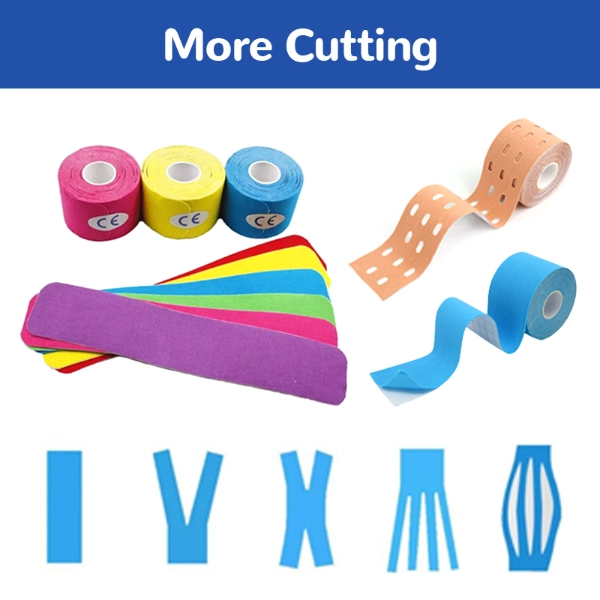
Modern kinesiology tape products use grid-pattern release paper, which serves both manufacturing and clinical purposes.
Functions include:
Precision cutting for pre-cut kinesiology tape formats
Standardized application guides for clinics
Reduced waste during OEM customization
Easier conversion into I-strip, Y-strip, and fan-shaped designs
This structural layer is particularly important for physiotherapy tape suppliers offering pre-cut kits for rehabilitation centers.
3. Why Hypoallergenic Kinesiology Tape Is a Market Requirement
The shift toward hypoallergenic kinesiology tape is driven by three market forces.
3.1 Expansion of Clinical Use
Originally used mainly in sports performance, kinesiology tape is now widely used in:
These environments require long wear times, often exceeding 48–72 hours. Standard adhesives are not suitable for such applications.
3.2 Growth of Sensitive-Skin Consumer Markets
Retail buyers increasingly include:
Elderly users
Postpartum recovery users
Patients with skin sensitivity
Long-duration users in fitness programs
For these groups, skin reaction risk is a primary purchase barrier.
3.3 Regulatory Expectations in Export Markets
In Europe and North America, distributors often require compliance documentation for:
Hypoallergenic kinesiology tape is often positioned as a baseline requirement for market entry.
4. Application Scenarios of Kinesiology Tape
A properly engineered kinesiology tape product is used across multiple industries, each with different performance expectations.
4.1 Sports Injury Prevention
Athletes use kinesiology tape for:
Knee stabilization during running and jumping
Shoulder support during weight training
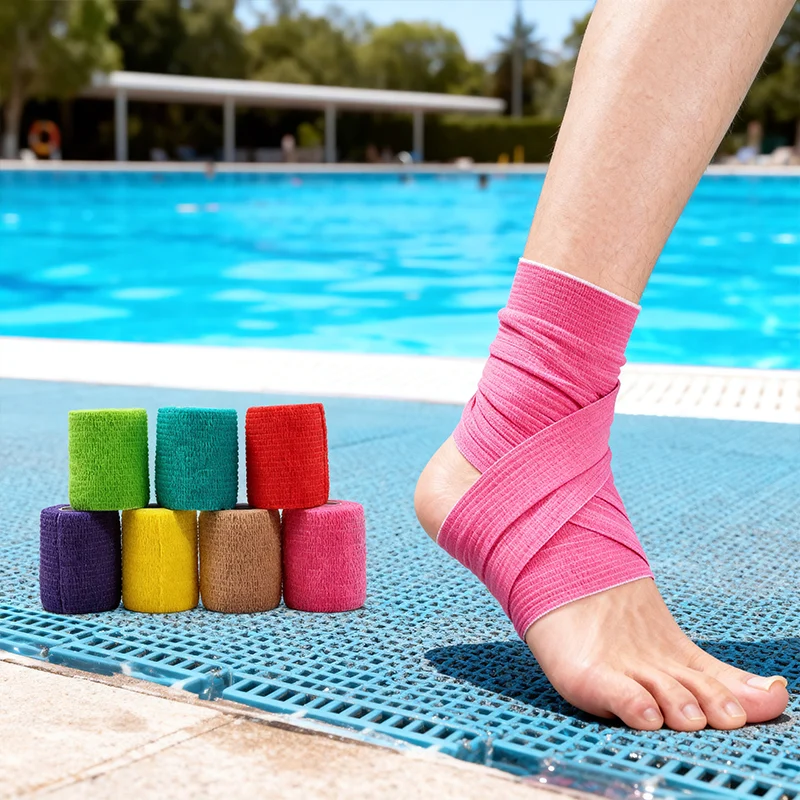
Ankle protection in basketball and football
Muscle fatigue reduction during repetitive motion sports
In these cases, sports kinesiology tape must balance elasticity with sweat resistance.
4.2 Physiotherapy and Rehabilitation
In clinical environments, kinesiology tape is used for:
Soft tissue recovery support
Post-injury inflammation control
Lymphatic drainage assistance
Range-of-motion rehabilitation
Here, hypoallergenic kinesiology tape is essential due to extended skin contact duration.
4.3 Orthopedic and Post-Surgical Care
Orthopedic professionals use elastic therapeutic tape as a non-invasive support method for:
Joint instability management
Post-operative recovery stabilization
Chronic pain relief programs
Consistency and safety are more important than aesthetics in this segment.
4.4 Fitness and Training Industry
Fitness centers and personal trainers use athletic tape for:
This segment often purchases kinesiology tape wholesale in mixed color sets for client use.
5. Key Quality Factors in Hypoallergenic Kinesiology Tape
From a manufacturing standpoint, hypoallergenic performance is not a single material choice but a combination of multiple controlled variables.
5.1 Adhesive Purity and Stability
Lower-quality adhesives may contain residual compounds that increase skin sensitivity. High-end kinesiology tape manufacturers control:
Polymer purity
Residual solvent levels
Coating consistency
5.2 Breathability Structure
Cotton-based kinesiology tape allows:
This is especially important in sports medicine supplies used in high-temperature environments.
5.3 Elastic Recovery Control
Stable kinesiology tape should maintain:
Consistent tension during movement
No permanent deformation after stretching
Predictable recoil behavior
Poor elastic recovery reduces therapeutic effectiveness.
5.4 Water and Sweat Resistance
Hypoallergenic does not mean weak adhesion. A properly engineered product should remain stable under:
The adhesive must resist moisture without increasing skin irritation.
6. OEM and Private Label Manufacturing for Kinesiology Tape
For global distributors, kinesiology tape OEM production is a key business model.
6.1 Material Customization
Xingda New Material supports multiple configurations:
Cotton vs polyester base fabrics
Different elasticity grades
Variable thickness structures
6.2 Adhesive System Customization
OEM clients can request:
Hypoallergenic adhesive formulas
Different adhesion strength levels
Enhanced water resistance versions
6.3 Branding and Packaging
Private label kinesiology tape typically includes:
Printed brand logos on tape surface
Custom retail packaging boxes
Instruction leaflets for end users
Color-coded product lines
This is essential for Amazon sellers and cross-border e-commerce brands competing in sports tape wholesale markets.
6.4 Pre-Cut and Clinical Kits
Factories also offer:
I-strip kinesiology tape kits
Y-strip kinesiology tape kits
Fan-shaped lymphatic drainage sets
These are widely used in physiotherapy clinics and rehabilitation centers.
7. Global Supply Chain and Market Demand
Demand for kinesiology tape continues to expand globally due to:
Increased sports participation
Rising rehabilitation awareness
Growth in non-invasive therapy markets
Key buyers include:
In these channels, hypoallergenic kinesiology tape is increasingly becoming the default product specification rather than a premium upgrade.
8. How to Evaluate a Reliable Kinesiology Tape Manufacturer
When sourcing from a kinesiology tape factory, buyers should evaluate:
Adhesive formulation consistency
Fabric elasticity stability
OEM customization capability
Hypoallergenic compliance level
Production scalability
Export experience
A qualified supplier such as Xingda New Material should also provide:
Sample validation before bulk production
Stable batch-to-batch quality control
Fast OEM development cycles
Documentation for international compliance
Conclusion
Kinesiology tape is now a core consumable in sports medicine, rehabilitation therapy, and fitness training industries. However, as the market matures, product selection is no longer driven only by elasticity or price.
The demand for hypoallergenic kinesiology tape reflects a broader shift toward safety, skin compatibility, and long-term wear performance.
For B2B buyers, distributors, and private label brands, working with a capable manufacturer such as Xingda New Material ensures not only product consistency but also compliance readiness for global markets.
In the coming years, hypoallergenic performance will not be an optional feature—it will become the baseline standard for all professional kinesiology tape products.